SafetyLocal Guides
Carbon monoxide testing for furnaces in Skokie: why it matters
Carbon monoxide testing for furnaces in Skokie matters because CO is invisible, odorless, and can build up in any home. Here is what every homeowner needs to know.
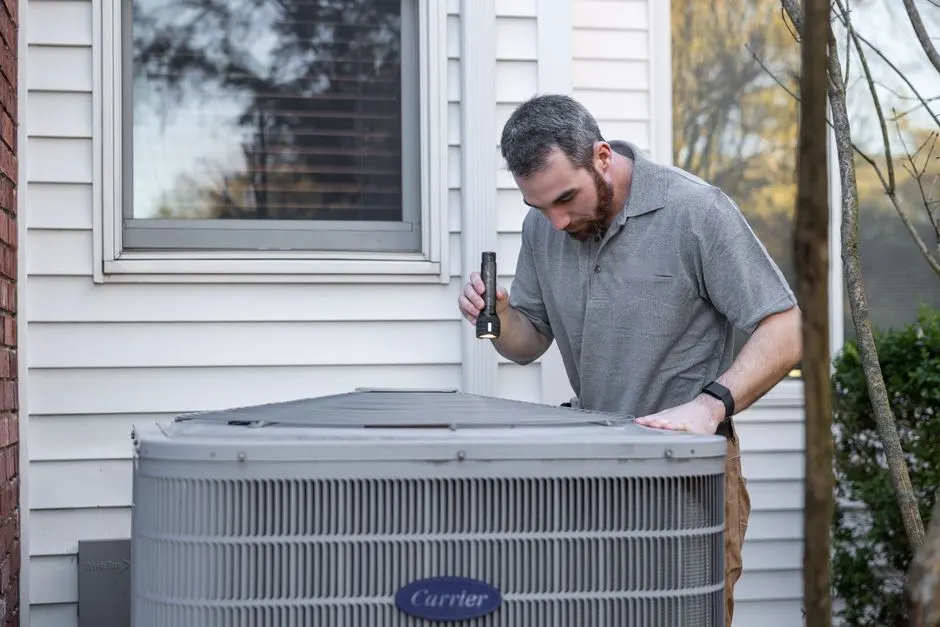
Carbon monoxide testing for furnaces in Skokie matters because carbon monoxide is invisible, odorless, and can reach dangerous levels in a sealed home before anyone notices. A cracked heat exchanger, a blocked flue, or a backdrafting chimney can push CO into your living space within hours. That is why we test every furnace we service, not just the ones that look suspicious.
This post covers what CO testing actually measures, how often you should schedule it, the symptoms that send people to the ER every winter, and the mistakes we see most often in Skokie homes. If you heat with natural gas and your furnace is more than ten years old, this is the most important maintenance item on your list.
Why carbon monoxide testing for furnaces in Skokie matters
Skokie's housing stock ranges from 1920s bungalows near the Furnace Repair Skokie IL in Downtown Skokie area to 1960s ranches and newer construction out west. Older homes were built before modern venting codes, and many still have original flue liners that have cracked or separated over decades of heating cycles. When that happens, exhaust that should leave through the chimney seeps into the basement or utility closet instead.
We also see a specific problem in tightly sealed homes: modern windows and insulation reduce natural air infiltration, which means any CO produced indoors has nowhere to escape. A furnace that ran safely in 1985 might produce the same exhaust today but now it accumulates. That is not a furnace defect - it is a building science issue that CO testing catches.
Carbon monoxide testing for furnaces in Skokie why it matters comes down to this: CO binds to hemoglobin in your blood about 250 times more readily than oxygen does. At 70 ppm, you may feel fine for hours. At 200 ppm, headaches and nausea start within two to three hours. At 400 ppm, that timeline drops to one to two hours. The only way to know which range your home is in is to measure.
What carbon monoxide testing actually measures
Carbon monoxide testing is a diagnostic procedure that measures CO concentration in the flue gases, the supply air, and the ambient air around your furnace to determine whether combustion byproducts are entering your living space. We use a calibrated combustion analyzer, not a cheap handheld alarm, and we test at three points.
- Flue gas: We drill a small test port in the vent connector and measure CO and oxygen levels in the exhaust. Normal readings for a natural gas furnace run under 100 ppm in the flue, with CO/CO2 ratios below 0.01.
- Supply air: We sample the air coming out of your registers. Any measurable CO here means the heat exchanger or another component is leaking combustion gases into the airstream.
- Ambient air: We walk the basement, utility room, and nearby living spaces with a CO monitor to check for accumulation.
We also check draft pressure at the flue and verify that the inducer motor is pulling the right amount of air. A furnace can produce low CO but still backdraft if the chimney is blocked or the pressure balance is off. That is why we treat carbon monoxide testing skokie IL as a system check, not just a single reading.
Typical 2026 pricing for a full furnace safety inspection with CO testing in Skokie runs $150 to $280 depending on furnace age and accessibility. If we find a problem, we quote the repair before we touch anything.
How often should you test your furnace for CO in Skokie?
Test your furnace for carbon monoxide every year, ideally in early fall before the first cold snap hits. Skokie winters run from late October through April, and your furnace will cycle thousands of times in that window. A heat exchanger that passes in September can crack by January.
If your furnace is over 15 years old, or if you have had any repair that involved the heat exchanger, burners, or flue, test twice: once at the start of heating season and again in mid-winter. We also recommend testing after any of these events:
- You smell an odd, stale, or metallic odor near the furnace
- Your CO alarm has chirped or gone off, even briefly
- You notice soot, scorching, or discoloration around the furnace cabinet
- Your furnace has been running constantly during a cold snap
- You have added insulation, new windows, or air sealing to your home
For homeowners in the Furnace Repair Skokie IL in Skokie Boulevard Corridor area, where many homes have finished basements and sleeping areas below grade, we push for annual testing without exception. CO is heavier than air in still conditions and tends to accumulate in low spaces first.
Symptoms of carbon monoxide poisoning you should never ignore
Carbon monoxide poisoning symptoms in Skokie Illinois homes often mimic the flu, which is exactly why they get missed. The key difference is that CO symptoms improve when you leave the house and return when you come back.
At low exposure (under 70 ppm), you may notice:
- Mild headache that does not respond to ibuprofen
- Fatigue that feels out of proportion to your activity
- Shortness of breath during light exertion
At moderate exposure (70-200 ppm), symptoms escalate:
- Throbbing headache
- Nausea and vomiting
- Dizziness or lightheadedness
- Confusion or difficulty concentrating
At high exposure (over 200 ppm), the risk becomes life-threatening. Chest pain, loss of consciousness, and seizures can occur within hours. Children, pregnant women, elderly adults, and anyone with heart or lung conditions are affected first.
If you suspect CO exposure, get everyone outside immediately and call 911. Do not open windows and try to air out the house first - that delays evacuation and puts you at higher risk. Once everyone is safe, call us to test the furnace before you run it again.
Can you test your furnace for carbon monoxide yourself?
You can and should install CO alarms on every level of your home and outside sleeping areas. That is the homeowner's job. But you cannot accurately test a furnace for CO leaks yourself, and here is why.
Consumer CO detectors are designed to alarm at 70 ppm after a sustained exposure window. They are not calibrated to measure flue gas concentrations, and they will not tell you whether your heat exchanger is cracked or your flue is drafting properly. A $30 alarm is a backstop, not a diagnostic tool.
Professional furnace inspection skokie IL uses a combustion analyzer that reads CO in parts per million with accuracy down to 1 ppm, plus a draft gauge and a visual inspection of the heat exchanger. We also use a mirror or borescope to check the internal surfaces of the heat exchanger for cracks that are invisible from the outside.
What you can do yourself:
- Test your CO alarms monthly with the test button
- Replace alarm batteries every six months
- Replace the alarm unit every five to seven years
- Keep the area around your furnace clear of stored items
- Change your furnace filter replacement skokie IL every one to three months
A clogged filter restricts airflow, which raises the temperature inside the heat exchanger and accelerates cracking. It is one of the most common causes of premature heat exchanger failure we see.
Common mistakes Skokie homeowners make with CO safety
The biggest mistake is assuming a new furnace cannot produce carbon monoxide. It can. A 2024 Carrier or Trane installed in a Skokie home can still backdraft if the flue is blocked by a bird nest, if the chimney liner has separated, or if the return air ducting creates negative pressure in the utility room.
Other mistakes we see regularly:
- Ignoring the CO alarm because it only chirped once. Alarms chirp for a reason. A single chirp means the sensor detected CO at a level worth investigating.
- Blocking the combustion air vent. Some homeowners store boxes or paint cans against the louvered door that feeds combustion air to the furnace. That starves the burner and increases CO production.
- Skipping annual maintenance. A furnace that has not been tuned in three years is running with dirty burners, incorrect gas pressure, and a blower that may be moving less air than it should. All three raise CO output.
- Using a kitchen range or space heater as a substitute. If your furnace is down and you run the oven with the door open for heat, you are introducing a new CO source into the home.
- Not testing after a renovation. New drywall dust, tightened building envelope, and changed pressure dynamics can turn a safe furnace into a backdrafting one.
We also see homeowners who call us for furnace noise and vibration diagnosis skokie IL and mention in passing that they have been getting headaches. That conversation should happen the other way around. If you have headaches at home and they go away when you leave, test for CO first.
When to call a professional for carbon monoxide testing
Call a professional for carbon monoxide testing any time your CO alarm sounds, any time you notice symptoms that improve when you leave the house, or any time your furnace has gone more than 12 months without service. We also recommend calling if you see rust flakes, white chalky deposits, or soot on the furnace burners - those are signs of incomplete combustion.
At Skokie FurnaceRepair, we run CO testing as part of every furnace tune-up skokie IL and as a standalone service if you just want the test. We check the heat exchanger, flue draft, gas pressure, and burner condition in the same visit. If we find a cracked heat exchanger, we will tell you plainly whether it can be repaired or whether replacement is the safer call.
We serve every part of Skokie, from the Furnace Repair Skokie IL in Old Orchard condos to the single-family homes near Furnace Repair Skokie IL in Gross Point Road Area. Same-day CO testing is available most weekdays, and we carry common heat exchanger and flue parts on the truck so we can often fix the problem in one visit.
Frequently Asked Questions
Why is carbon monoxide testing important in Skokie?
Skokie has a high concentration of homes built between 1920 and 1970 with original or aging flue systems. Those flues crack, separate, or block over time, allowing CO to enter living spaces. Annual testing catches these problems before they become emergencies.
How often should I test my furnace for carbon monoxide in Skokie IL?
Every year before heating season starts, ideally in September or October. If your furnace is over 15 years old or has had heat exchanger work, test twice - once in fall and once in mid-winter. Any CO alarm event warrants an immediate retest.
What are symptoms of carbon monoxide poisoning in Skokie Illinois?
Headaches, nausea, dizziness, confusion, and fatigue that improve when you leave the house and return when you come back. At higher exposure, chest pain and loss of consciousness can occur. If you suspect CO, evacuate and call 911 before doing anything else.
Can I test my furnace for carbon monoxide myself in Skokie?
You can install and maintain CO alarms, which is essential. But you cannot measure flue gas CO or inspect a heat exchanger without a combustion analyzer and training. Professional testing reads down to 1 ppm and checks the entire venting system.
How much does carbon monoxide testing cost in Skokie?
Typical 2026 pricing for a furnace safety inspection with CO testing runs $150 to $280. Standalone CO testing without a full tune-up is often $95 to $150. If we find a repair issue, we quote it before starting work.
Get help with Furnace Repair Skokie IL in skokie
If your furnace has not been tested this season, or if you have any reason to suspect CO in your home, call us today. We will test the furnace, check the venting, and give you a straight answer about what we find.
Call Skokie FurnaceRepair at 847 238 8439 to schedule carbon monoxide testing for your furnace.