Written CO report
Parts-per-million readings at flue and supply
Furnace safety inspections and carbon monoxide testing skokie IL is the service that tells you whether your heating system is safe to run all winter. We inspect heat exchangers, measure CO output with a combustion analyzer, and test every gas connection. If you live in Cook County and your furnace is over 10 years old, book this before the first hard freeze.
Every inspection covers the core safety checks listed below. If we find a repair that needs parts or additional labor, we quote it separately before any work begins. The base inspection price is fixed, so you know what you're paying before we arrive.
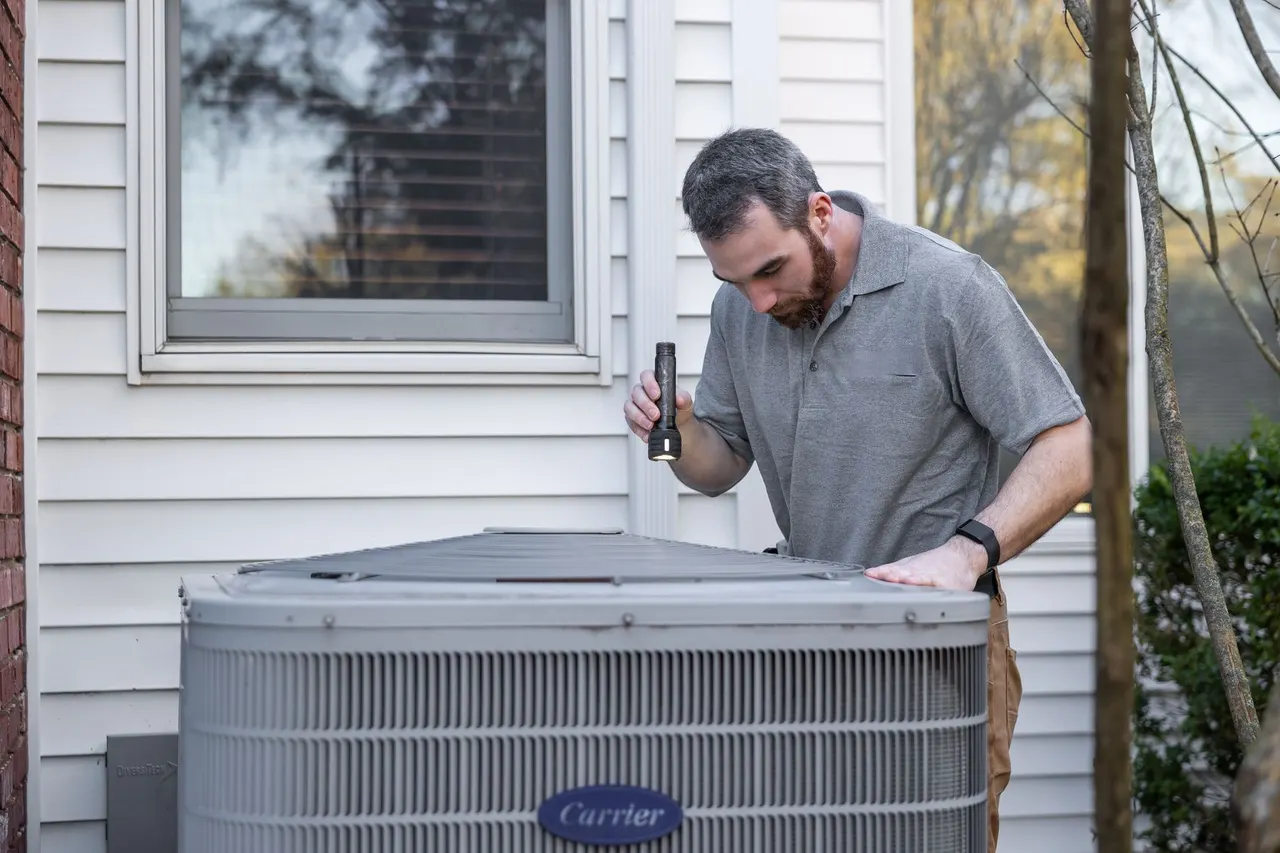
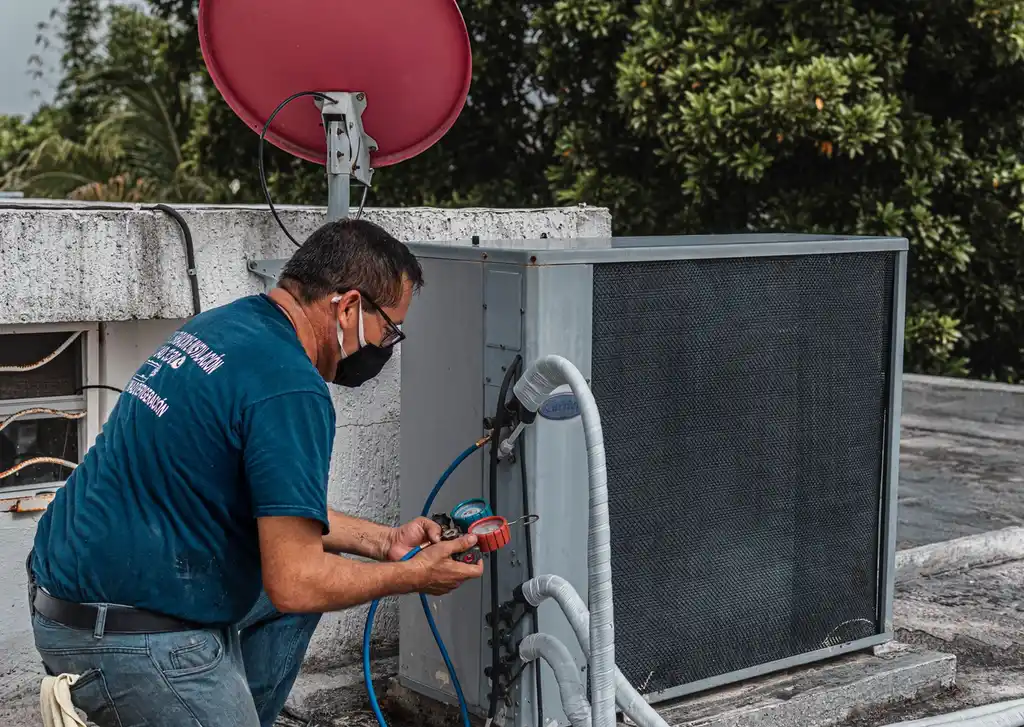
We inspect residential furnaces in houses, condos, and townhomes across Skokie. Every visit includes combustion testing, heat exchanger camera inspection, and a written report with CO readings.
We test furnaces in rental units, small commercial spaces, and multi-unit buildings. Property managers get written reports for each system with dated CO readings and photos.
Furnace safety inspections and carbon monoxide testing skokie IL is a top-to-bottom safety evaluation of your heating system that measures carbon monoxide output, checks the heat exchanger for cracks, verifies gas pressure at the manifold, and confirms proper venting. We use a combustion analyzer to read CO in the flue gas, a multimeter to test electrical components, and an inspection camera to look inside the heat exchanger where a flashlight can't reach. The whole visit takes 60 to 90 minutes.
Skokie homes built between the 1920s and 1970s still run original ductwork and older furnaces that were never designed for today's tighter building envelopes. That combination traps CO indoors. If you've noticed headaches, nausea, or a furnace making banging noise, don't wait. We offer carbon monoxide testing near me skokie appointments seven days a week, and same-day slots are usually available before 2 PM.
We measure CO, inspect the heat exchanger, and show you the numbers before we leave.
Five steps, 60 to 90 minutes, no guesswork. Here is exactly what happens when we walk through your door.
We start at the furnace and work outward. Vent connections, flue pipe slope, gas valve, thermocouple, and the area around the unit get checked first. We also look at your CO detector placement and confirm it's within 10 feet of every sleeping area, which is what Illinois code requires.
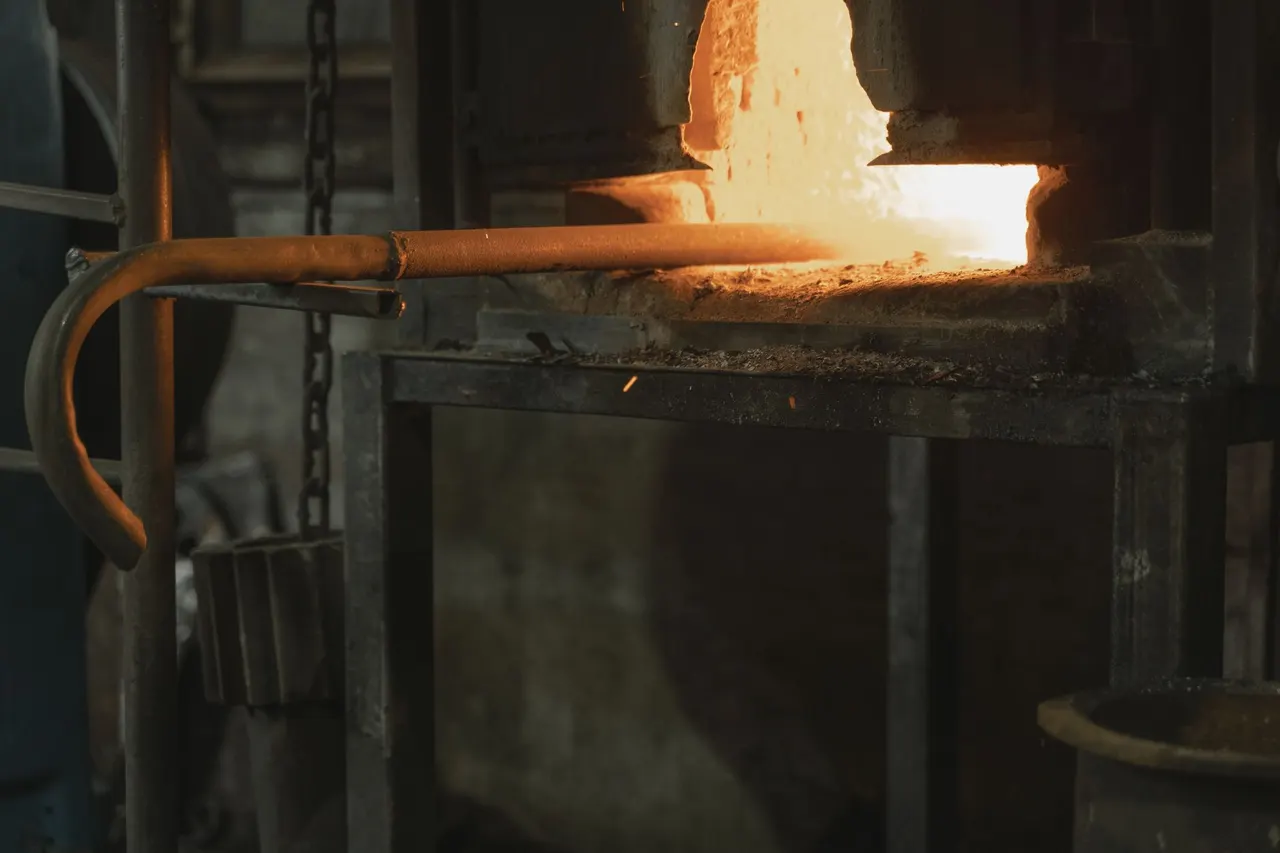
A calibrated combustion analyzer goes into the flue. We record CO in parts per million, oxygen percentage, and flue temperature. Those three numbers tell us whether the burner is running clean or producing excess carbon monoxide. This step takes about 15 minutes.
We pull the blower panel and feed an inspection camera into the heat exchanger. Every tube, seam, and weld gets checked for cracks, rust-through, or warping. If we find a crack, we show you the photo on the spot and walk you through replacement options.
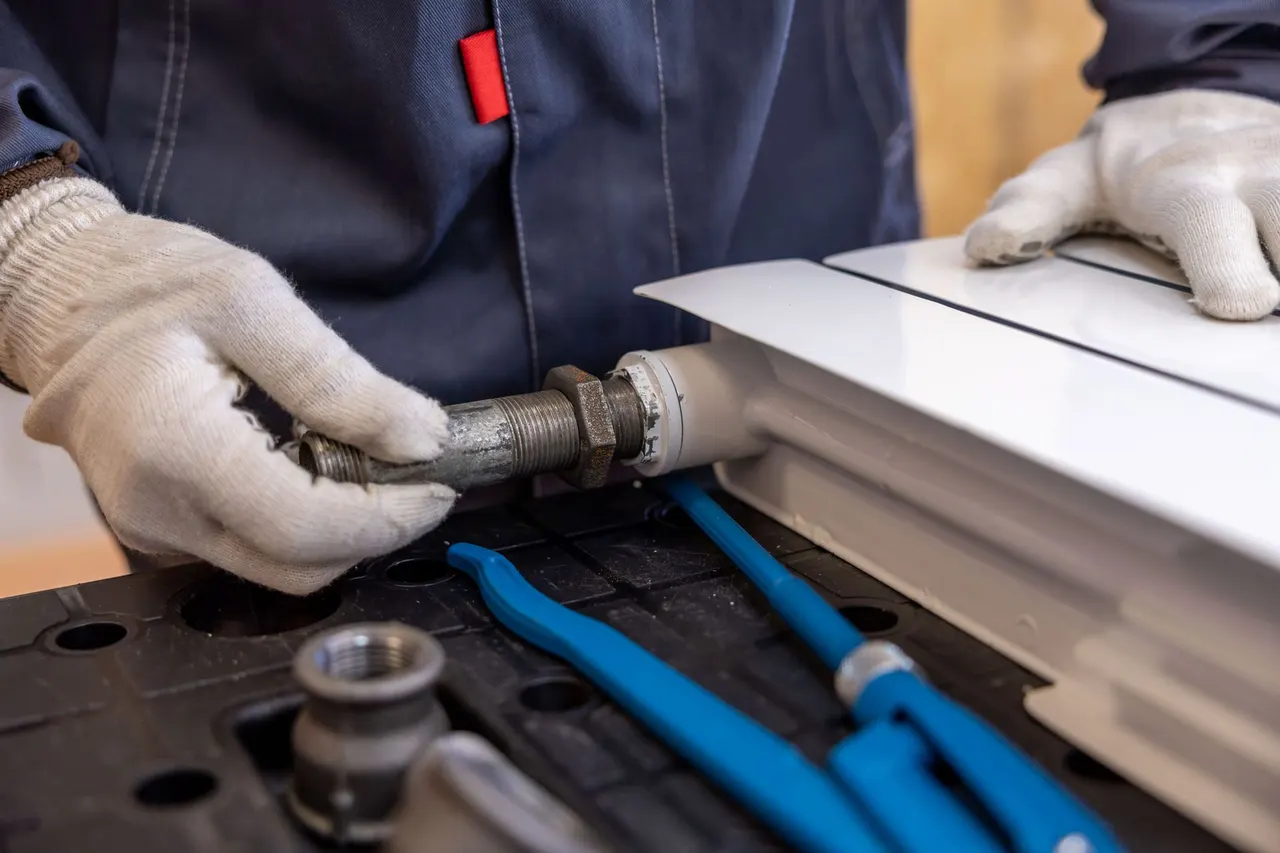
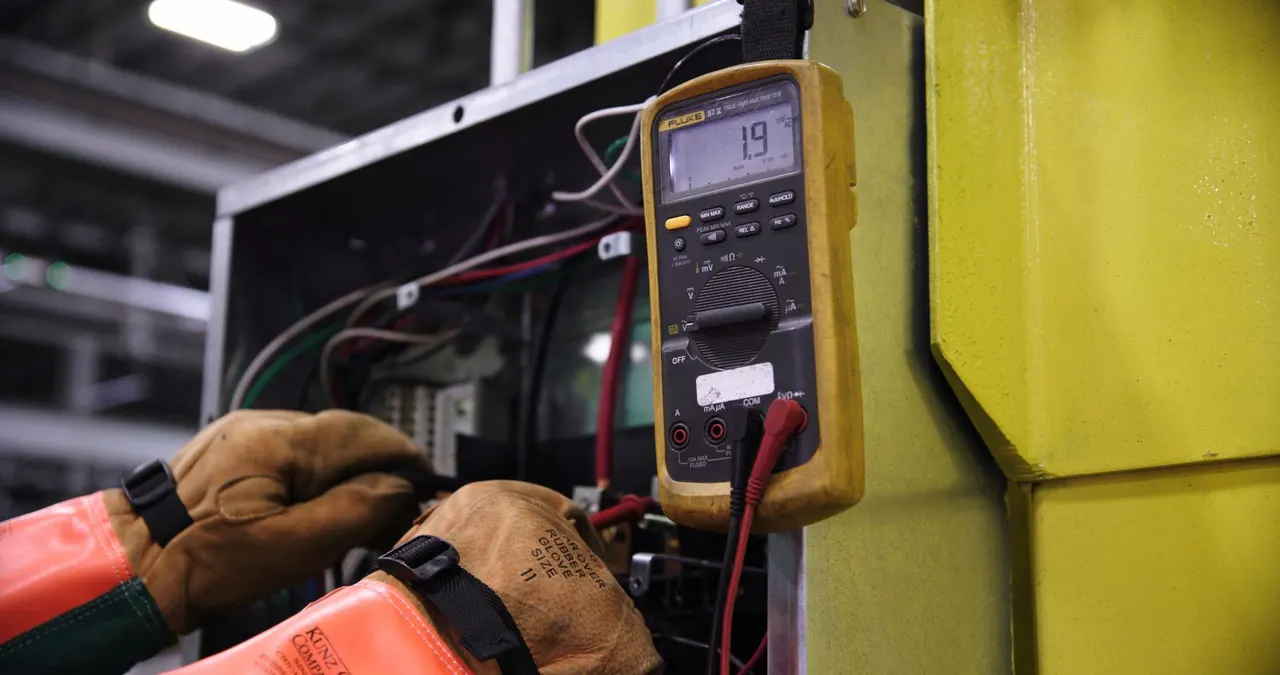
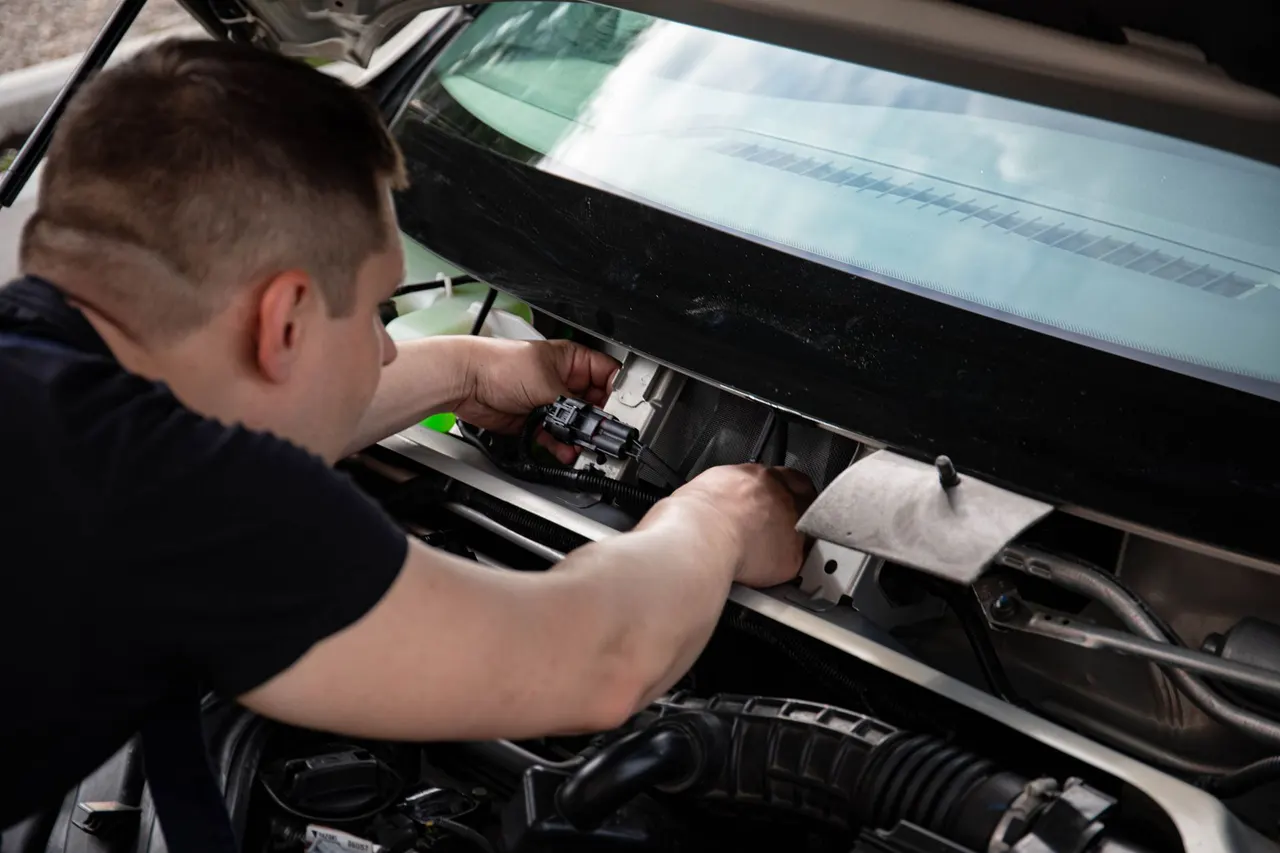
A multimeter checks the control board, capacitor, and inducer motor amp draw. An anemometer measures static pressure and airflow at the return and supply. Low airflow overheats the heat exchanger and shortens its life, so we correct filter and blower issues before they cause damage.
You get a printed report with all readings, photos, and a plain-English summary. If the furnace passes, we tell you when to schedule the next test. If it fails, we give you a written scope with pricing before any work begins. No pressure either way.
Measures carbon monoxide in parts per million, oxygen percentage, and flue temperature. This is the primary tool for determining whether a furnace is producing safe or dangerous CO levels.
Feeds into heat exchanger tubes and seams to visually check for cracks, rust, or warping. We photograph findings and show them to you on the spot.
Measures inlet and manifold gas pressure. Correct pressure ensures clean combustion and prevents the heat exchanger from overheating.
Tests control boards, capacitors, flame sensors, and inducer motor amp draw. Identifies electrical components that are failing or out of spec.
Measures airflow at the return and supply. Low airflow overheats the heat exchanger and raises CO output, so we check this on every inspection.
A handheld detector we carry for spot-checking ambient CO levels in the furnace room and living spaces. Bump-tested before every shift for accuracy.
Verifies thermocouple output on standing-pilot furnaces. A weak thermocouple causes pilot outages and intermittent heating failures.
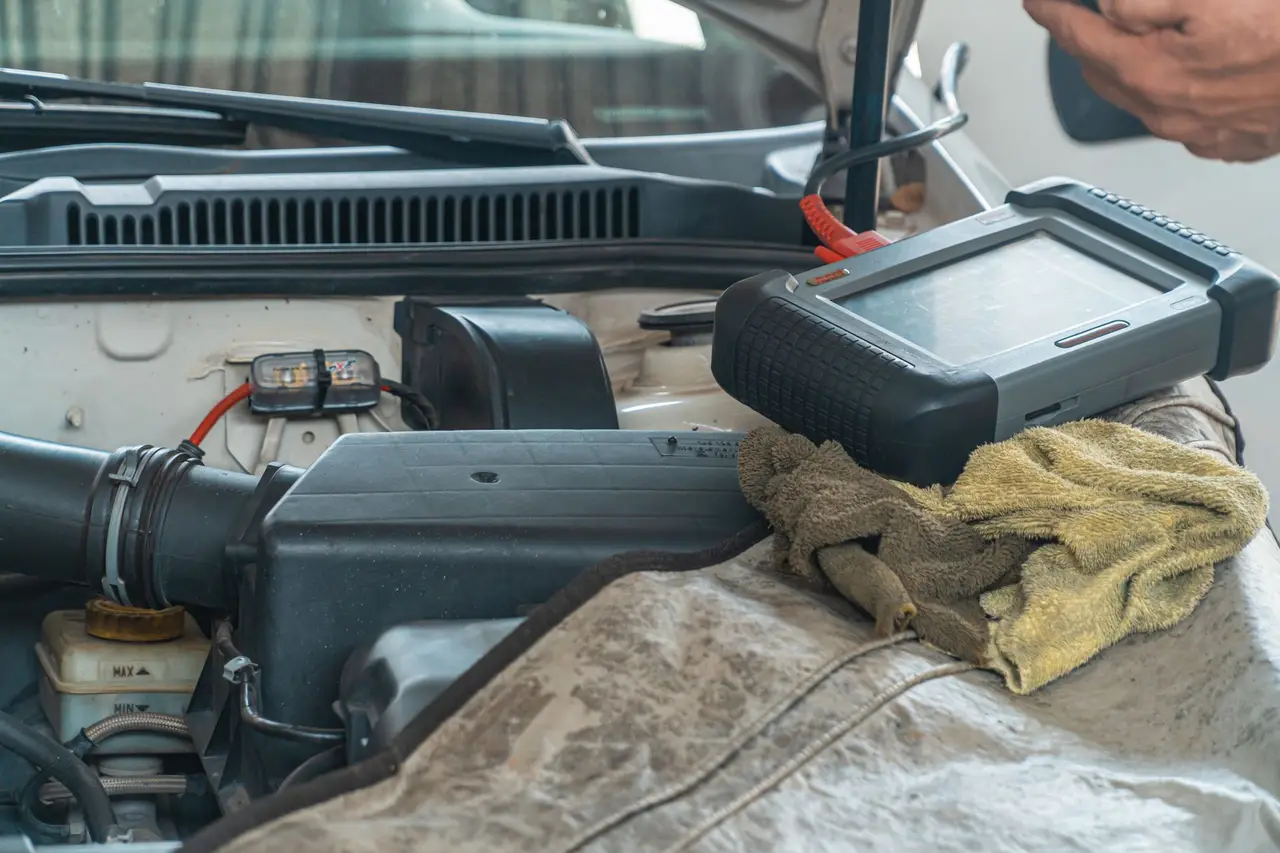
Our technicians follow NATE testing protocols for combustion analysis and electrical diagnostics. This means we test in a specific sequence, record readings in a standard format, and compare results against manufacturer specifications for your furnace model.
We inspect the entire system, test CO output, and give you a written report on the furnace's condition. If the previous owner skipped maintenance, we'll find it. You'll know exactly what you're working with before winter hits. You get a documented baseline for the furnace, including CO readings and heat exchanger condition. If repairs are needed, you have time to plan and budget instead of dealing with an emergency in January.
We treat any CO alarm as a reason for immediate testing. We measure CO at the flue and in the supply air, inspect the heat exchanger, and check every gas connection. If the furnace is producing CO, we find the source and fix it. You know whether the alarm was a false trigger or a real problem. If it was real, we correct it before it happens again. If the furnace passes, you have written proof that your system is safe.
Older furnaces are the highest risk for cracked heat exchangers and CO leaks. We inspect with a camera, test combustion, and check every safety control. If the furnace is on borrowed time, we tell you honestly and quote replacement options. You either get confirmation that the furnace is still safe to run, or you get a clear picture of what replacement would cost. Either way, you're not guessing.
We inspect the furnace, test CO levels, and provide a written report with all readings and photos. Landlords use this documentation to show tenants and insurance companies that the heating system was professionally tested on a specific date. You have a dated safety report for your records. If a tenant ever raises a concern about the furnace, you can show that it was tested and passed.
These are classic carbon monoxide symptoms. We test the furnace immediately, measure CO in the supply air, and inspect the heat exchanger and flue. If we find a leak, we shut the system down and correct it before we leave. You find out whether your furnace is the source. If it is, we fix it. If it isn't, we rule it out and you can look at other causes with confidence.
Skokie's housing stock ranges from 1920s bungalows near Niles Center to mid-century ranches in Devonshire and newer construction in Timber Ridge. Older homes often have original ductwork, gravity furnaces converted to forced air, and flue systems that weren't designed for modern high-efficiency equipment. That combination raises the risk of CO leaks. We see it every winter. The climate here swings hard, with January lows averaging 18°F and occasional stretches below zero. Your furnace runs constantly during those weeks, which is when cracks and blockages cause problems. We test with that in mind. Cook County requires CO detectors within 10 feet of every sleeping area, and we check placement during every inspection. If you're searching for carbon monoxide testing in Timber Ridge or anywhere else in Skokie, we bring the same calibrated equipment and the same thorough process. Most inspections take 60 to 90 minutes.
A homeowner in Devonshire called because her CO detector chirped twice in one week. She had reset it both times and assumed it was a false alarm. Her furnace was 18 years old and had never been inspected. She was getting headaches in the morning but hadn't connected them to the furnace.
We found a 2-inch crack in the heat exchanger and CO readings of 28 PPM in the supply air. We shut the furnace down, showed her the camera footage, and installed a new Carrier furnace within 48 hours. Post-installation CO readings were 0 PPM in the supply air. Her headaches stopped immediately.
Schedule annual safety inspections every September. Test CO detectors monthly. Replace the air filter every 60 to 90 days during heating season to maintain airflow and prevent heat exchanger stress.
A family in a 1930s bungalow noticed their furnace was running longer than usual and the house felt cold even with the thermostat set to 72°F. They also smelled a faint exhaust odor near the furnace. The flue had not been inspected in over a decade.
We found a bird nest blocking the flue termination on the roof. The furnace was producing CO at 45 PPM because exhaust gases had nowhere to go. We cleared the blockage, reconnected a corroded flue section, and re-tested. CO dropped to 3 PPM. The house heated properly within an hour.
Inspect the flue termination annually, especially in spring after nesting season. Keep the area around the roof vent clear of debris. Schedule a professional flue inspection every two years.
A homeowner in Timber Ridge booked a routine safety inspection before winter. The furnace was only 6 years old and had been running fine, but she wanted a baseline report. During testing, we noticed the furnace cycled on and off three times in 10 minutes.
The flame sensor was coated with carbon buildup, causing intermittent ignition failure. We cleaned it with steel wool, verified the milliamp reading was back in spec, and re-tested the furnace. It ran continuously for 20 minutes without a single dropout. Total repair time was 15 minutes.
Have the flame sensor cleaned during every annual inspection. If your furnace short-cycles between inspections, call us. A dirty flame sensor is a $0 to $150 fix if caught early, versus $400 or more if it fails completely.
Most furnace problems start small and get expensive fast. These are the issues we catch most often during safety inspections in Skokie homes.
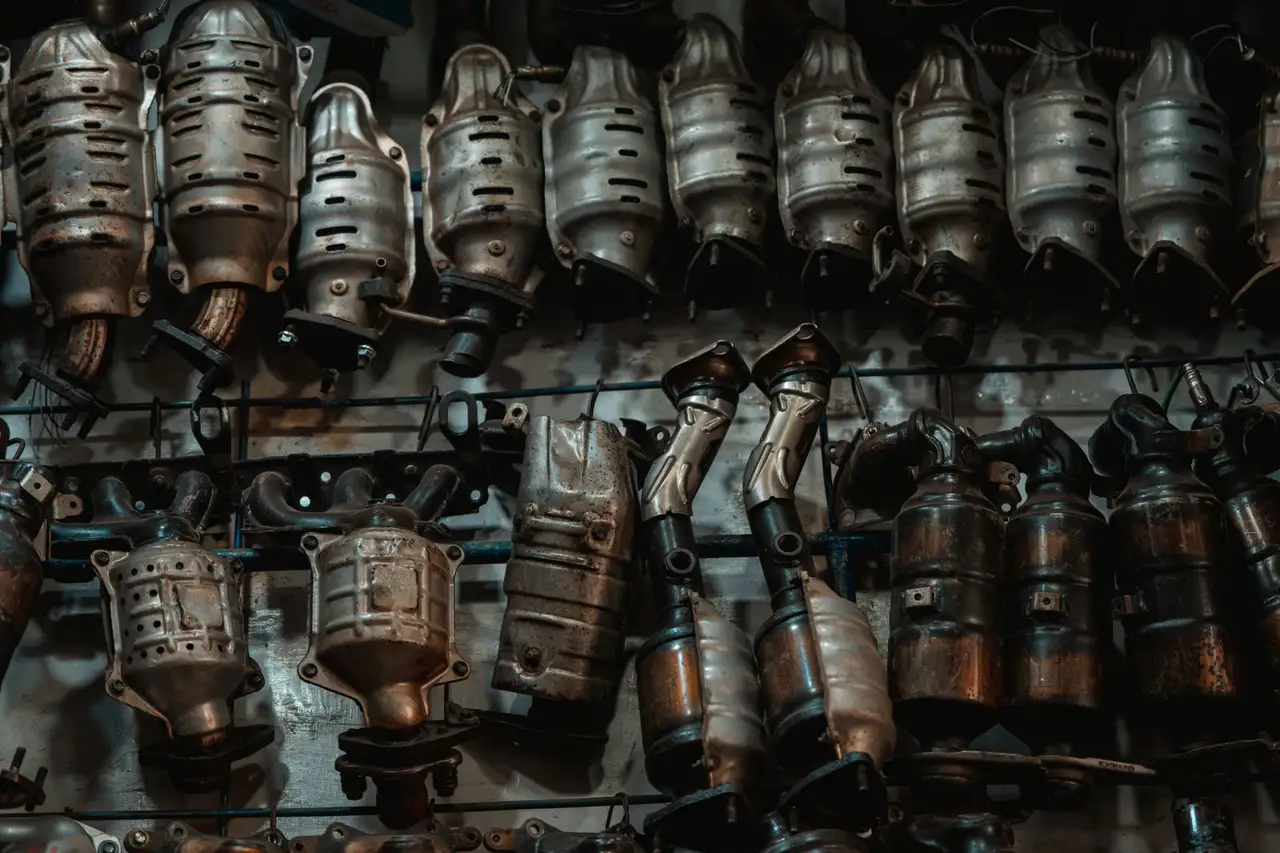
We photograph the crack with an inspection camera and show you the evidence. If the crack is small and accessible, we may be able to repair it. If the heat exchanger is compromised beyond repair, we quote a full furnace replacement with permit and installation included. Carbon monoxide enters your living space every time the furnace runs. Symptoms include headaches, dizziness, and nausea. At high concentrations, it can be fatal, especially for children and elderly residents.
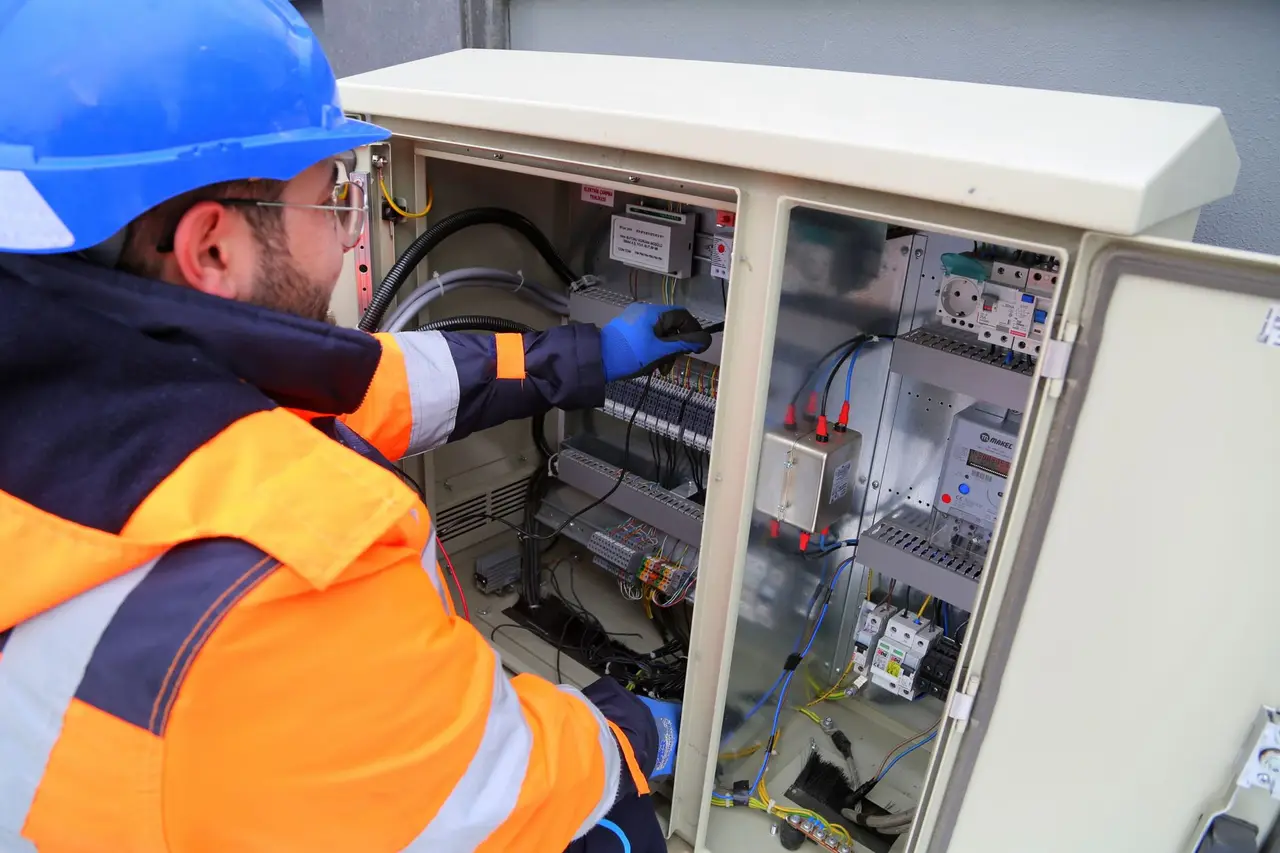
We test the flame sensor with a multimeter and clean it with steel wool. If the reading is below spec, we replace it on the spot. The part is inexpensive and the fix takes about 15 minutes during your inspection visit. The furnace lights, runs for a few seconds, then shuts off. It cycles repeatedly, which stresses the heat exchanger and leaves your house cold. Many homeowners mistake this for a thermostat problem.
We check filter condition and MERV rating during every inspection. If it's clogged or too restrictive, we replace it with the correct filter for your system and show you how to check it monthly between visits. Low airflow overheats the heat exchanger and raises carbon monoxide output. It also forces the blower motor to work harder, shortening its life. A $20 filter can prevent a $1,200 blower motor replacement.
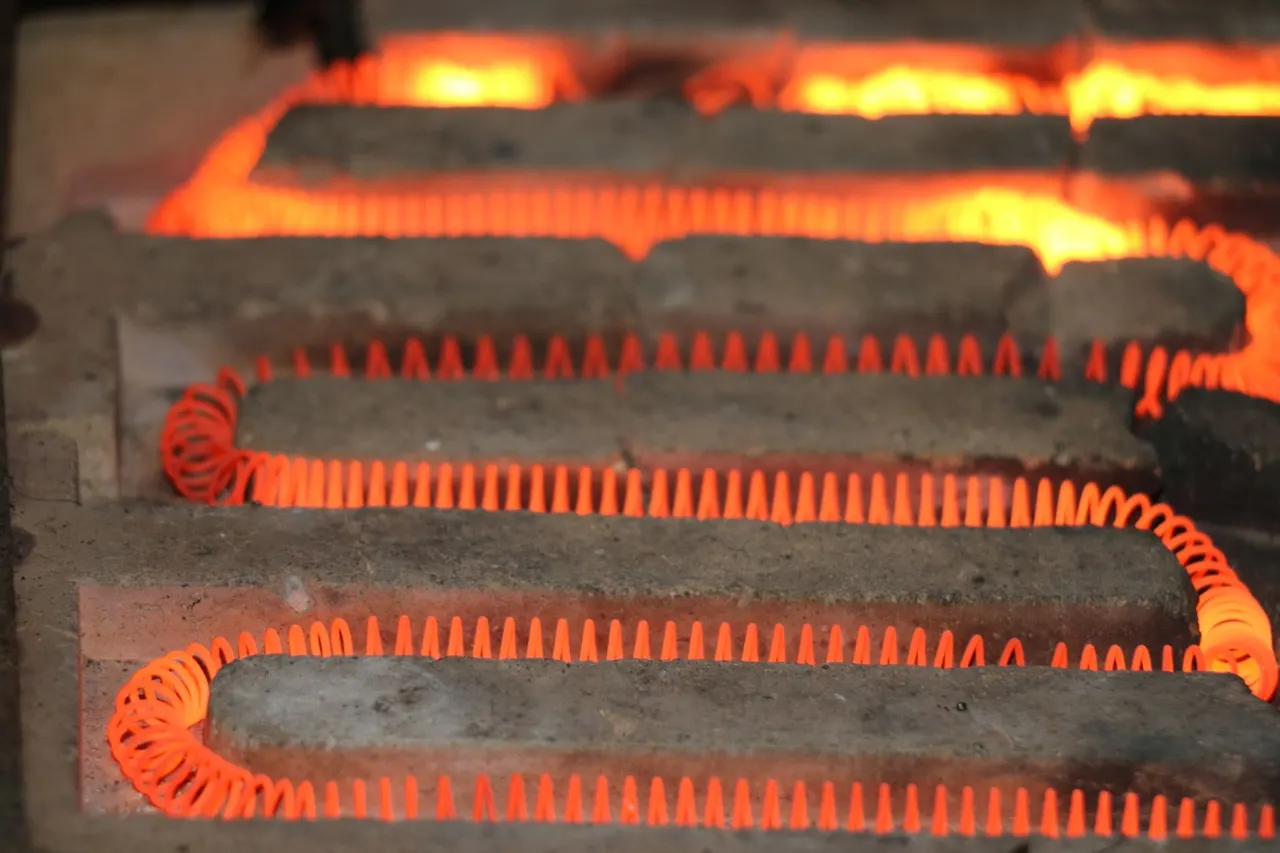
We inspect the entire flue run from the furnace to the roof termination. If we find a blockage, disconnect, or corrosion, we reconnect or replace the affected section and re-test CO levels before we leave. Flue gases have nowhere to go except back into your home. This is one of the most common causes of high CO readings in older Skokie homes where flue pipes run through unheated spaces and can disconnect or corrode.
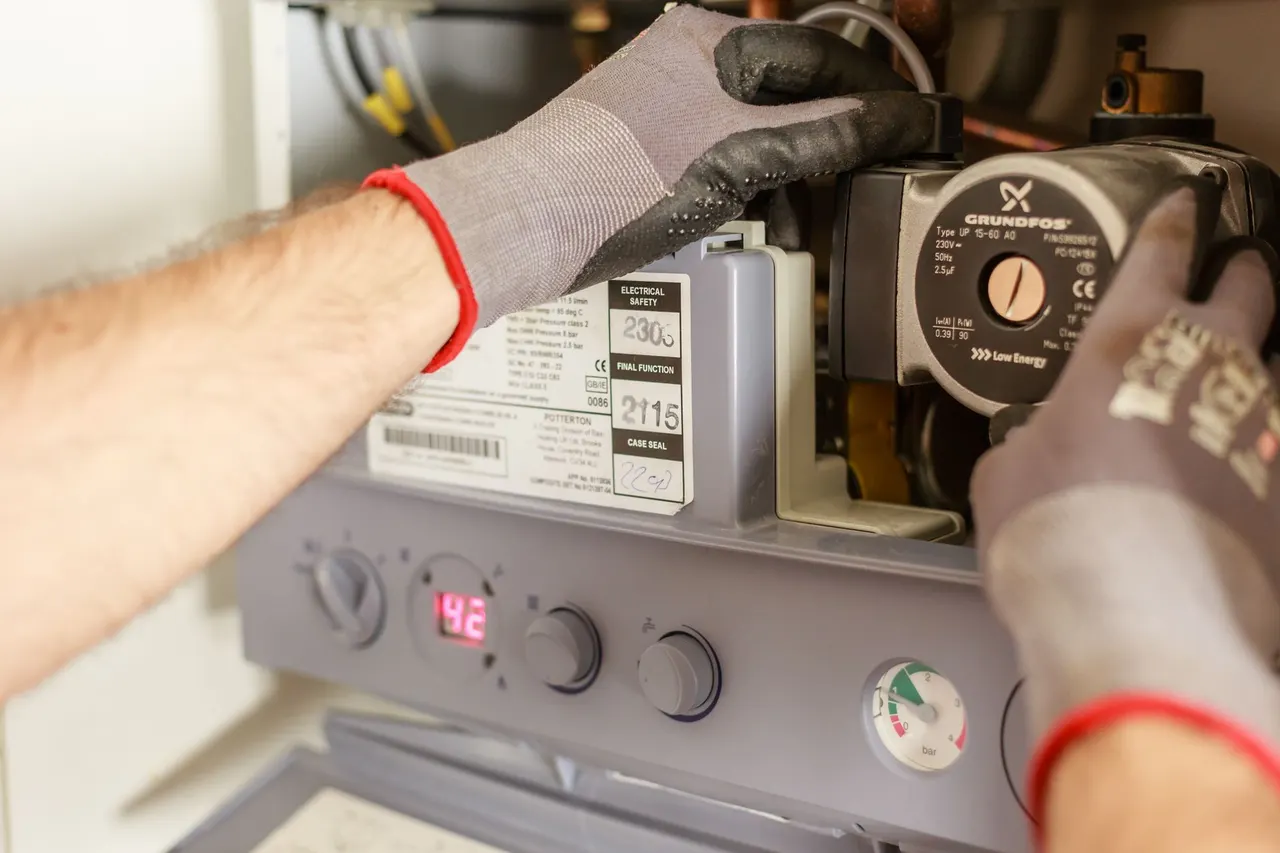
We diagnose the ignition sequence during the safety inspection. If the igniter is weak or the gas valve is sticking, we replace the faulty component. Delayed ignition fixes typically run $180 to $350 in parts and labor. A banging or booming sound usually means delayed ignition, where gas builds up before the burner lights. This stresses the heat exchanger and can crack it over time. It's also a sign of a failing igniter or gas valve.
A cracked heat exchanger leaks carbon monoxide into your supply air. We use an inspection camera to check every seam and tube. Catching a hairline crack at 1/16 inch saves you a $4,000 furnace replacement and keeps your family out of the ER.
We don't guess. A combustion analyzer gives us a parts-per-million reading at the flue and in the supply plenum. Anything above 9 PPM in the supply air means we shut the system down and find the source before we leave your home.
A dirty flame sensor, clogged air filter, or failing blower motor forces your furnace to run longer to hit the thermostat setpoint. Fixing those during a furnace safety inspection skokie visit typically cuts gas usage by 8 to 15 percent over a Skokie winter.
You get a written report with CO readings, heat exchanger photos, and gas pressure numbers. If you rent out the property or sell it, that paperwork proves the furnace was tested on a specific date by a qualified technician.
Clear records you can keep and share.
Parts-per-million readings at flue and supply
Camera images of every tube and seam
Inlet and manifold readings against manufacturer specs
A CO detector tells you that carbon monoxide is present. It does not tell you where it is coming from or how much your furnace is producing. Only a combustion analyzer gives you that information.
A detector alarms at a threshold, usually 70 PPM after an hour. An analyzer measures CO in parts per million at the flue and supply, so you know exactly how much the furnace is producing.
Detectors are designed to avoid false alarms, so they may not trigger at low CO levels that still cause headaches over weeks. An analyzer catches those low readings before they become a health problem.
When a detector alarms, you know CO is present but not whether it is from the furnace, water heater, or stove. Testing each appliance with an analyzer isolates the source.
Outside these areas? Call and ask, we may still reach you. 847 238 8439
A standard furnace safety inspection with carbon monoxide testing runs $149 to $299 in Skokie for 2026. That covers combustion analysis, heat exchanger camera inspection, gas pressure check, and a written report. If we find a problem and you approve the repair, the diagnostic fee is credited toward the work. Emergency or after-hours calls are quoted upfront before we dispatch.
Test every year before heating season starts, ideally in September or October. Furnaces over 15 years old should be tested twice a year because heat exchanger metal fatigues faster at that age. If anyone in the house has unexplained headaches or nausea during winter, test immediately regardless of when the last inspection was done.
The most common signs are headaches, dizziness, and nausea that improve when you leave the house. You might also see soot streaks around the furnace, a yellow or orange burner flame instead of blue, or condensation on cold windows near the furnace. If your CO detector alarms, get everyone outside and call 911 first, then call us.
You can install a UL-listed CO detector, and you should. But a detector only tells you CO is present, not where it's coming from or how much the furnace is producing. Only a combustion analyzer gives you parts-per-million readings at the flue and supply. That's why annual testing by a technician matters even if you have detectors.
Don't wait for a CO detector to wake you at 3 AM. Call 847 238 8439 and we'll schedule your inspection, usually same-day. We test with calibrated equipment, show you the readings, and give you a written report before we leave.
Reach us at 847 238 8439 for furnace repair, maintenance or a safety inspection anywhere in Skokie. We answer calls during business hours and run emergency no-heat service around the clock. Tell us what the furnace is doing and your neighborhood, and we will set a window that works.