Installed filter
Correct size, seated and sealed
When your furnace filter is clogged, your system works harder and your rooms stay cold. Our furnace filter replacement skokie IL service covers homes and small buildings across Cook County, with the right filter size matched to your cabinet, a quick airflow check, and a straight answer on how often to change it. We also handle HVAC filter replacement in skokie for renters, landlords and property managers who need it done fast and documented.
Every filter visit covers the basics plus a look at the parts a bad filter damages. If we find something bigger, we quote it separately and you decide.
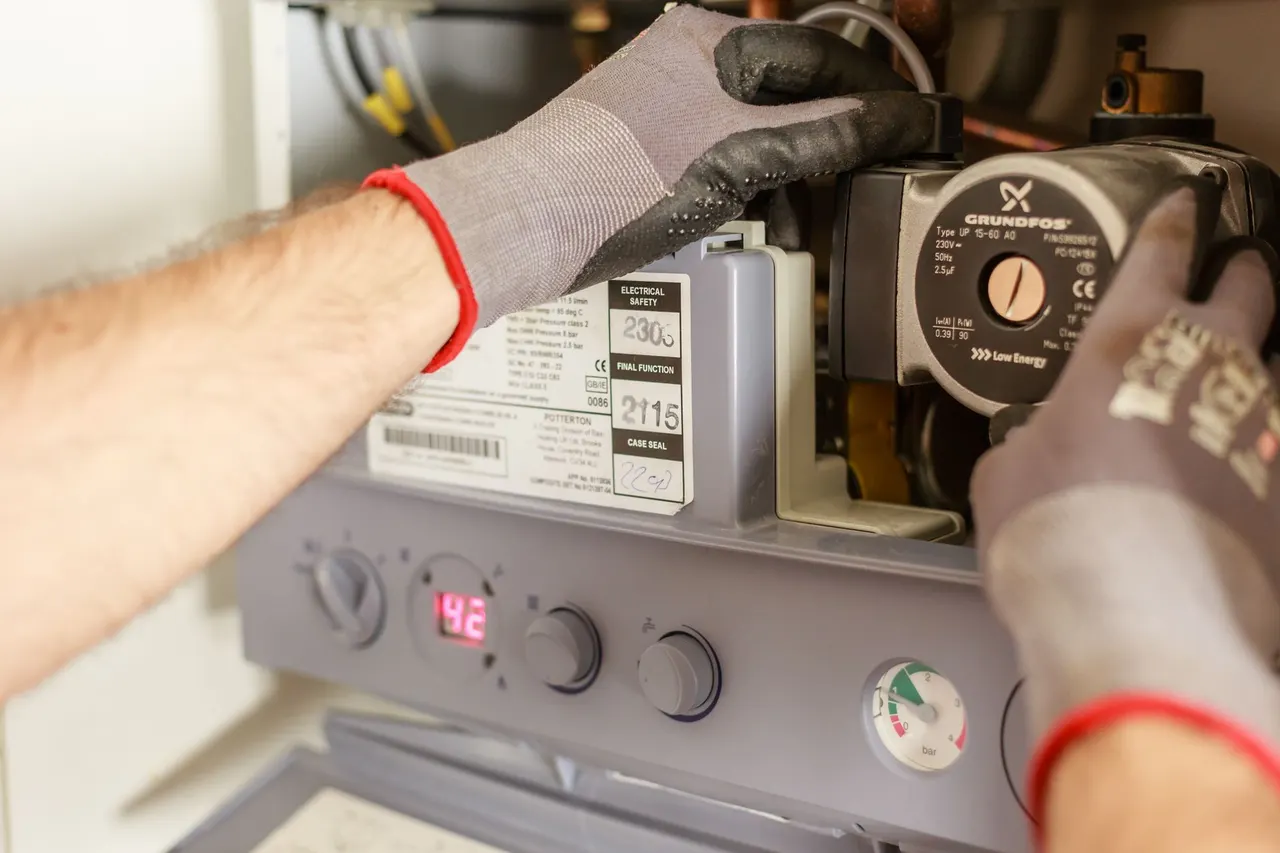
We change filters in single-family homes, condos and two-flats across Skokie. We measure the rack, install the right size, and check airflow before we leave.
We handle filter changes for small commercial and multi-unit properties on a set schedule. One visit covers every unit, with a dated tag on each cabinet.
Furnace filter replacement skokie IL is the service of pulling the old filter, measuring the cabinet, installing a correctly sized replacement, and confirming the blower is moving air the way it should. It is not just swapping cardboard. We check the filter slot for bypass gaps, look at the blower compartment for dust build-up, and read static pressure when the filter looks undersized. A clogged air filter is one of the most common causes of a furnace blowing cold air, and it is the cheapest one to fix.
Skokie homes deal with long heating seasons, and by January most 1-inch filters are loaded with lint, pet hair and dust. If you have been searching for furnace filter replacement in skokie IL near me, the usual signs are weak airflow at the registers, a furnace that short-cycles, or a filter that looks grey after three weeks. Renters in Niles Center and homeowners near the Skokie Boulevard Corridor call us most often in late fall, right before the first hard freeze.
A filter that fits and seals is the cheapest heat you will ever buy.
Five steps, usually 20 to 40 minutes for a standard 1-inch filter, longer if we find a sizing or airflow problem.
Call 847 238 8439 or send the address and furnace model. We confirm a two-hour arrival window and ask what filter you have been buying. If you are in 60076, 60077 or 60203, we can often fit you into the same day, especially during the first cold snap of the season.
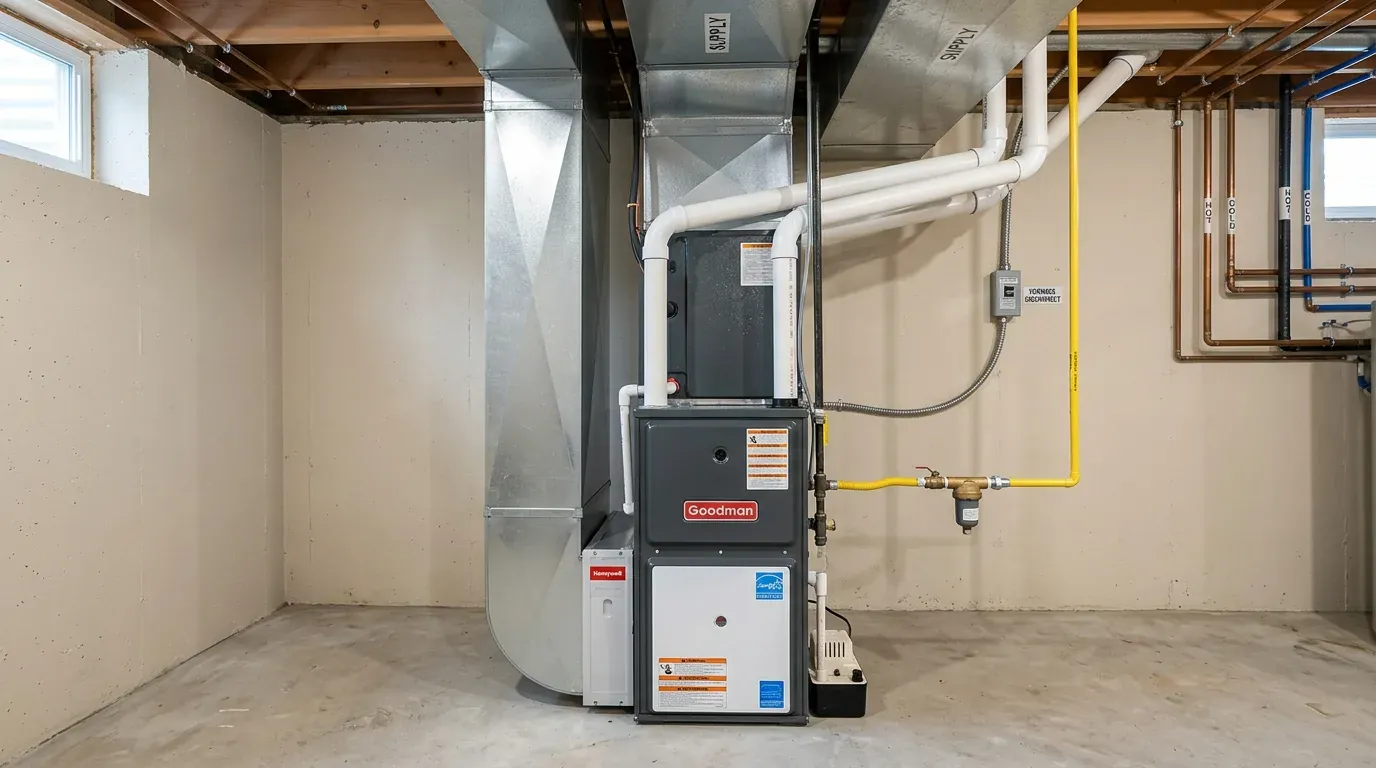
The tech pulls the old filter and measures the actual filter slot with a tape, not the label on the old cardboard. Nominal sizes lie. A 16x25x1 that fits loose in the rack lets air bypass the media, which is the same as running no filter at all. We note the exact size and the rack type.

With the filter out, we look into the blower compartment with an inspection camera. Dust caked on the blower wheel, a dirty flame sensor or a cracked heat exchanger all show up here. If we spot something, we tell you what it is and what it costs before we touch anything else.
We install the new filter with the airflow arrow pointing toward the blower, then check the edges for gaps. If the rack is loose, we add foam gasket so the filter seals. On thicker 4-inch media cabinets we confirm the filter is seated fully in the track so it does not collapse under suction.
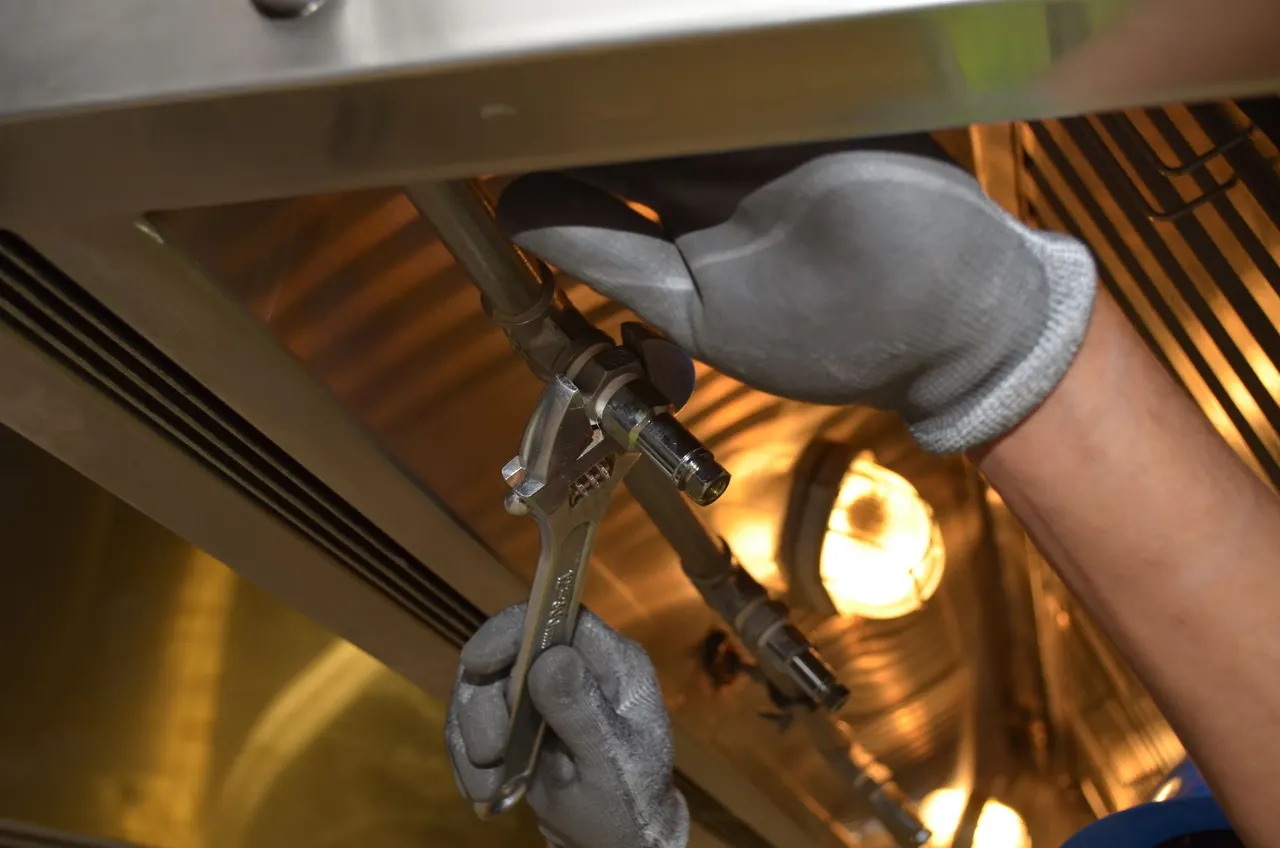
We take a static pressure reading with an anemometer and check the temperature rise at the supply and return. If the numbers are off, the filter is not the problem and we say so. You get the old filter, the new one logged, and a note on when to change it next.
Measures airflow at the registers and return so we can confirm the new filter restored proper CFM. It turns a guess into a number you can see.
Lets us look into the blower compartment and at the heat exchanger without disassembling the furnace. We use it on every filter visit to check for dust build-up and cracking.
Tests the blower motor, capacitor and control board when airflow problems turn out to be electrical. Standard on every truck.
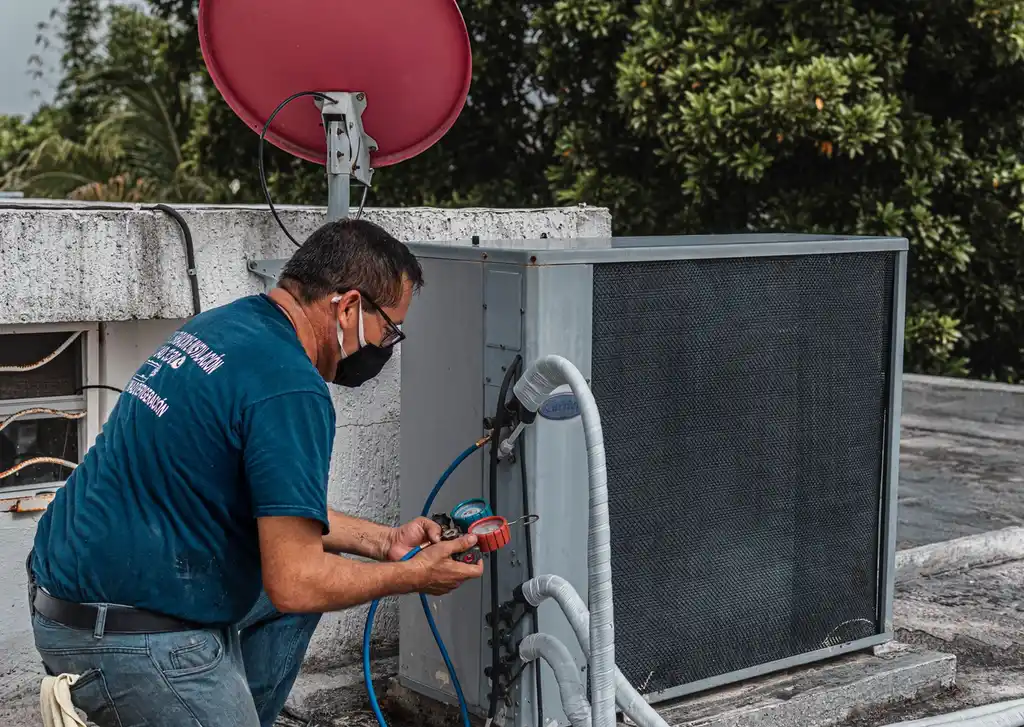
Checks carbon monoxide levels and combustion efficiency when we suspect the heat exchanger has been stressed by restricted airflow.
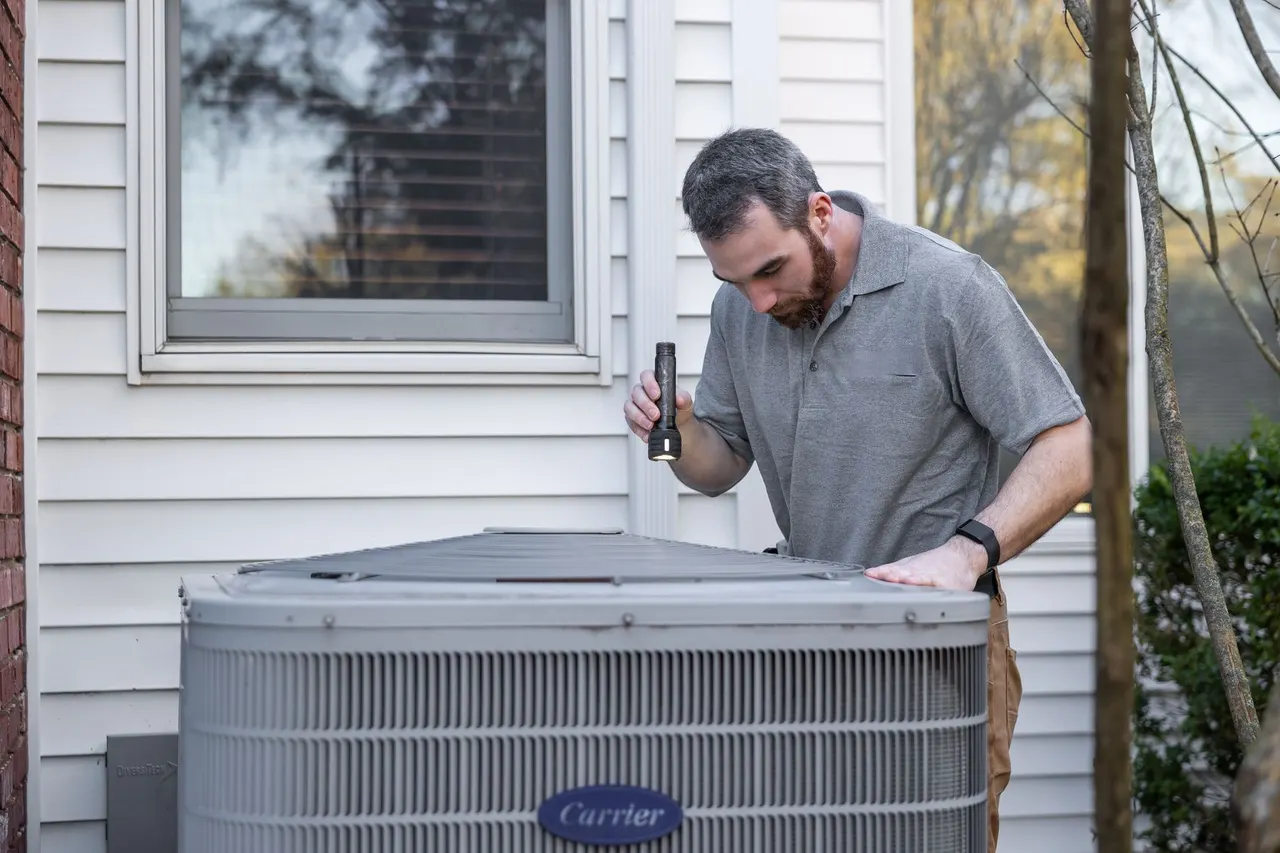
Handheld unit we carry into every home to confirm there is no carbon monoxide present before and after we run the furnace.
For opening filter racks, blower panels and gas connections when a filter visit turns into a repair. We carry the sizes that fit Carrier, Trane, Lennox and Goodman cabinets.
We measure pressure on both sides of the filter to see how much resistance it adds. A clean filter should add very little. If the number is high even with a new filter, the ductwork or blower is the problem, not the filter, and we tell you that instead of selling you a filter you do not need.
We read supply and return temperatures and compare the rise to the rating plate. Too high a rise means restricted airflow; too low means a combustion or gas pressure issue. It is a fast way to confirm the filter change actually solved the problem.
We pull the old filter, check for rodent nesting or debris in the return, install a fresh filter and run the furnace through a full heat cycle. If anything looks off during that cycle, we diagnose it on the spot rather than waiting for a no-heat call in January. The furnace starts clean and runs to temperature without tripping. You go into winter knowing the filter is fresh and the system was checked under load.
We measure the rack, show you how to read the size off the filter edge, and walk you through changing it yourself next time. We leave a note with the size and the change interval so you are not guessing at the hardware store. You know exactly what to buy, where it goes, and how often to swap it. No more wrong-size filters and no more bypass gaps.
We schedule all four units in one visit, bring the right sizes, change each filter, and leave a dated tag on every cabinet. You get a simple record of what was done and when the next change is due. All four units are ready for winter in a single afternoon, and you have documentation for each one without chasing tenants for access twice.
We check the filter first because a restrictive filter is a common cause of blower noise. If the filter is fine, we move to the blower motor, capacitor and inducer with a multimeter and inspection camera to find the real source. You either get a cheap fix with a new filter, or a clear diagnosis of the failing part with a repair price before any work starts.
Skokie heating season runs long, and most homes here have forced-air systems sized for a climate that swings from single digits in January to mild stretches in March. That swing matters for filters. A 1-inch filter that is fine in October is loaded by December, and by February the furnace is running longer cycles that push more air through it. We see a lot of older cabinets in Downtown Skokie and along the Oakton Street Corridor where the filter rack was never sealed, so air bypasses the media and the blower wheel gets caked with dust. If you are looking for furnace filter replacement skokie Illinois 24/7 because the furnace quit on a cold night, the first thing we check is airflow, because a blocked filter can trip the high-limit switch and shut the burner down. We carry common sizes for Carrier, Trane, Lennox, Rheem, Goodman, Bryant, American Standard and York equipment, and we work under Illinois HVAC license requirements with NATE-certified technicians. Whether you need a one-time HVAC filter replacement skokie Illinois visit or a standing schedule, we keep it simple.
A homeowner called because the furnace was starting and stopping every four minutes and the house would not get above 64 degrees. The filter was a 1-inch that had not been changed in over a year and was visibly grey. The rack was also loose, so air was bypassing the media entirely.
We installed a correctly sized 16x25x1 filter, sealed the rack with foam gasket, and checked temperature rise. It came back within the manufacturer's range on the first reading. The furnace ran a full 20-minute cycle without tripping and the house reached 70 degrees.
We set the homeowner on a 60-day change interval for winter and left a note with the size. They now keep two spares in the closet.
A 4-inch media filter had collapsed in its track and was folded in half, blocking most of the return air. The blower was howling and the homeowner was worried the motor was failing. Static pressure was well above spec.
We removed the collapsed filter, straightened the track, and installed a rigid 20x20x4 media filter that stays seated under full blower speed. Static pressure dropped back to normal and the howling stopped immediately. No motor repair was needed.
The homeowner checks the filter every six months and replaces it once a year. We showed them how to confirm it is seated flat before closing the cabinet.
A landlord had four units in 60077 with filters of three different sizes, two of them the wrong size for the rack. Tenants had been complaining about uneven heat and dust. No records existed of when any filter was last changed.
We measured every rack, installed the correct size in each unit, and sealed two loose racks. All four filters were changed in one afternoon. The landlord now has a dated tag on each cabinet and a 90-day schedule for the whole building.
We come back every 90 days during heating season and change all four filters in a single visit, leaving updated tags each time.
Not every furnace problem is a filter problem, but a surprising number start there. These are the ones we see most in Skokie.
We replace the filter, confirm the limit switch is not stuck, and check temperature rise. If the furnace still blows cold after a clean filter, we test the flame sensor and gas valve. Most of these calls end with a filter and a sensor cleaning. The high-limit switch trips and the burner shuts off before the house warms up. You get cool air from the registers and a furnace that runs constantly without heating.
We measure static pressure to confirm the restriction, install the correct filter, and check the blower wheel for dust. If the wheel is caked, we clean it. A short-cycling furnace usually settles down the same day once airflow is restored. Restricted airflow makes the furnace overheat, trip, cool down and restart. That cycle wears out the heat exchanger and the blower motor faster than normal runtime ever would.
This almost always means the filter is undersized for the rack or too thin for the airflow. We measure the cabinet, install a rigid media filter or add a support frame, and confirm it stays seated under full blower speed. A filter that collapses stops filtering entirely and can jam the blower wheel. You end up paying for a blower repair that a properly seated filter would have prevented.
We match MERV rating to your equipment, seal the rack so nothing bypasses, and explain the trade-off between particle capture and airflow. Higher MERV is not always better, and we will tell you when it is hurting you. A filter with the wrong MERV rating or a bypass gap lets dust straight into the blower and back into your living space. You vacuum more and still see dust on the furniture.
A restricted filter forces the blower motor to pull harder, and that shows up on your gas bill. Replacing a loaded 1-inch filter with the correct MERV rating restores airflow and lets the furnace run at its rated efficiency. Most Skokie customers see a measurable drop in runtime within the first billing cycle after an HVAC filter replacement skokie IL visit.
Dust and lint that bypass a worn filter end up on the blower motor, the flame sensor and the control board. Keeping a clean filter in place cuts the number of service calls for ignition failure and dirty flame sensor faults. We have seen furnaces go from two calls a season to zero just by fixing filter size and fit.
If anyone in your home deals with allergies, the filter is the first line of defence. We match MERV rating to your equipment so you get particle capture without choking airflow, which matters on older Carrier, Trane and Lennox cabinets that were never designed for high-density media. Too high a MERV is worse than none.
Heat exchangers and inducer motors wear out faster when they run hot because of restricted air. A filter change every 60 to 90 days during heating season keeps temperatures inside the manufacturer's range. On a 15-year-old Goodman or Bryant unit, that is often the difference between a repair and a full replacement.
Clear records you can keep and share.
Correct size, seated and sealed
Static pressure and temperature rise
Size and next date written down
The size printed on the old filter is not always the size your cabinet takes. And a higher MERV rating is not automatically better for your system.
The slot size is what matters, not the label on the old cardboard. A filter that sits loose lets air bypass the media entirely.
Every furnace is rated for a maximum filter resistance. Going above it chokes airflow and makes the system run hot, which costs more than the filter saves.
Filters load quicker when the furnace runs long cycles. In a Skokie winter, a 1-inch filter often needs changing every 60 days, not every 90.
Outside these areas? Call and ask, we may still reach you. 847 238 8439
Most residential filter replacements in Skokie run $75 to $180 including the filter, and 4-inch media cabinets sit at the higher end because the filter itself costs more. If we find a sizing problem or add a gasket seal, expect another $20 to $40. Emergency or after-hours visits cost more. You get the number before we start, so there is no surprise on the invoice.
Every 60 to 90 days during heating season for a standard 1-inch filter, and every 6 to 12 months for a 4-inch media filter. Skokie homes with pets, smokers or anyone with allergies should change closer to every 30 to 45 days in winter. If you run the fan continuously, cut those intervals by about a third. Check it monthly in January and February.
It depends on the cabinet, not the house. Common sizes in Skokie are 16x25x1, 20x25x1, 16x20x1 and 20x20x4, but plenty of homes have oddball racks. Read the numbers printed on the cardboard edge of your current filter, then measure the slot itself. If the two do not match, that gap is costing you airflow and we can fix it with a proper-size filter and gasket.
Yes, and for a standard 1-inch filter you should. Turn the furnace off at the thermostat, slide the old filter out, match the size and airflow arrow, and slide the new one in. Where it gets tricky is a loose rack, a filter that keeps collapsing, or a system that still runs hot after the change. That is when you call us at 847 238 8439.
If your filter is grey, your registers feel weak, or you just want it done before the next cold snap, call us. We stock the common sizes, check airflow on every visit, and give you the price before we start. Call 847 238 8439.
Reach us at 847 238 8439 for furnace repair, maintenance or a safety inspection anywhere in Skokie. We answer calls during business hours and run emergency no-heat service around the clock. Tell us what the furnace is doing and your neighborhood, and we will set a window that works.