Written diagnosis
The failed part and the readings we took
When your heat quits on a 12-degree night, you need Gas Furnace Repair in skokie that answers the phone and shows up. We diagnose no-heat calls, furnace blowing cold air, and failed ignition across Cook County, then explain the fix before we start. Whether you searched gas heater repair near me skokie at 2 a.m. or booked a tune-up in October, we treat your home like our own.
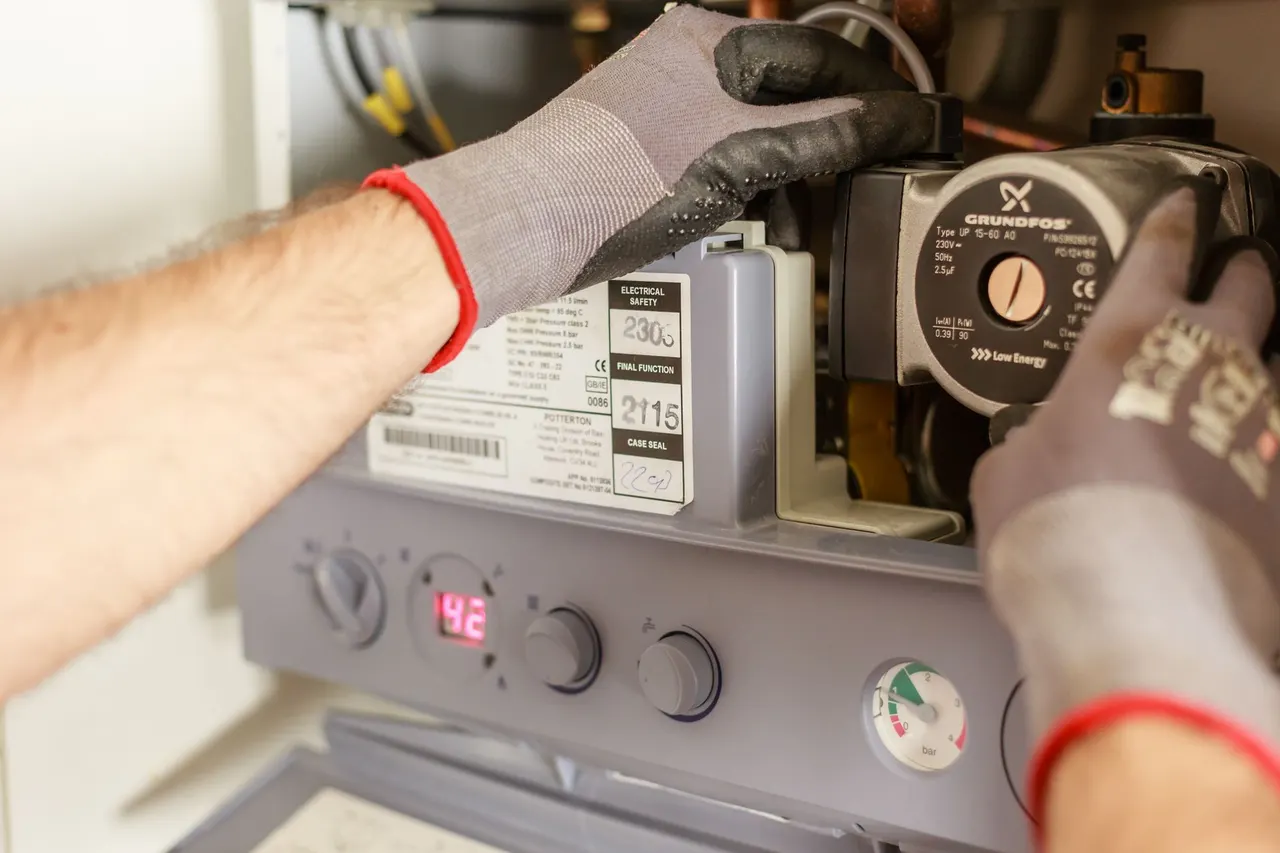
Every repair visit covers the diagnostic work, the repair itself, and the safety checks that go with gas appliance work. Parts are billed separately and quoted before we start. If the repair needs a permit, we handle it. If it turns out to be a maintenance issue instead of a repair, we tell you that too.
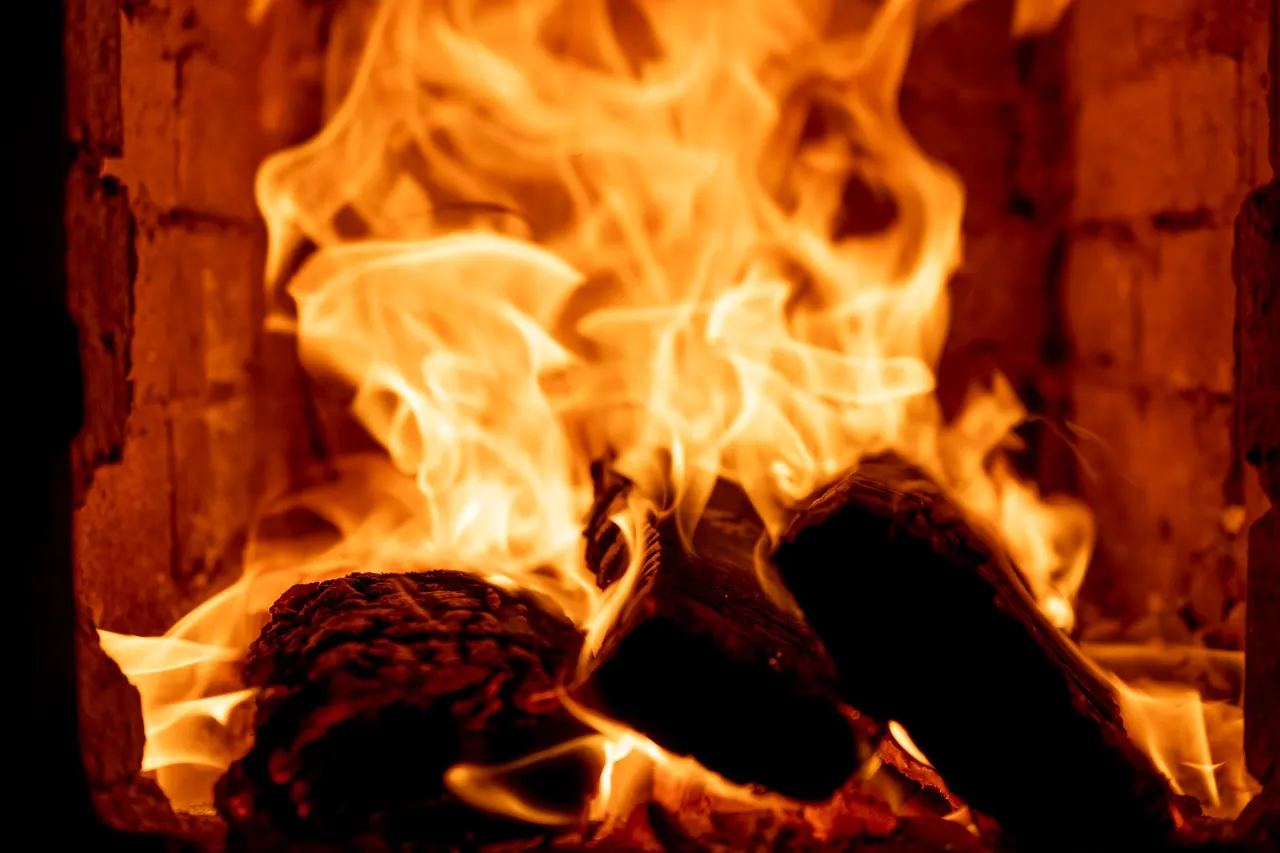
We repair gas furnaces in single-family homes, condos, and townhouses across Skokie. Every visit includes combustion testing and a heat exchanger inspection, not just a part swap.
We work with landlords, property managers, and small commercial buildings on Skokie gas furnace repairs. Scheduling is coordinated around tenants so repairs get done without multiple trips.
Gas Furnace Repair in skokie is the diagnostic and mechanical work that restores heat to a gas-fired forced-air system: tracing the fault, testing components, and replacing what failed. We start with a combustion analyzer and multimeter at the furnace, check the flame sensor, igniter, gas valve, and inducer motor, then confirm airflow with an anemometer. A dirty flame sensor or clogged air filter causes more no-heat calls than any other part.
Skokie homes take a beating between November and March. Most of the housing stock here was built between 1940 and 1975, so ductwork is undersized, returns are stingy, and furnaces run long cycles. That wears out blower motors and capacitors faster than in newer suburbs. If you have been typing gas heater repair near me skokie into your phone while the house drops below 60, you are not alone, and you are not overreacting.
We test the furnace, find the failed part, and prove the repair through two full heating cycles.
From the first phone call to the final temperature check, here is exactly how a Gas Furnace Repair in skokie visit runs. No mystery, no waiting around wondering what is happening in your basement.
We ask what the furnace is doing: blowing cold air, short-cycling, banging, or dead silent. That tells us which parts to load on the truck. Most calls get a two-hour arrival window, and we call 30 minutes out so you are not stuck waiting.
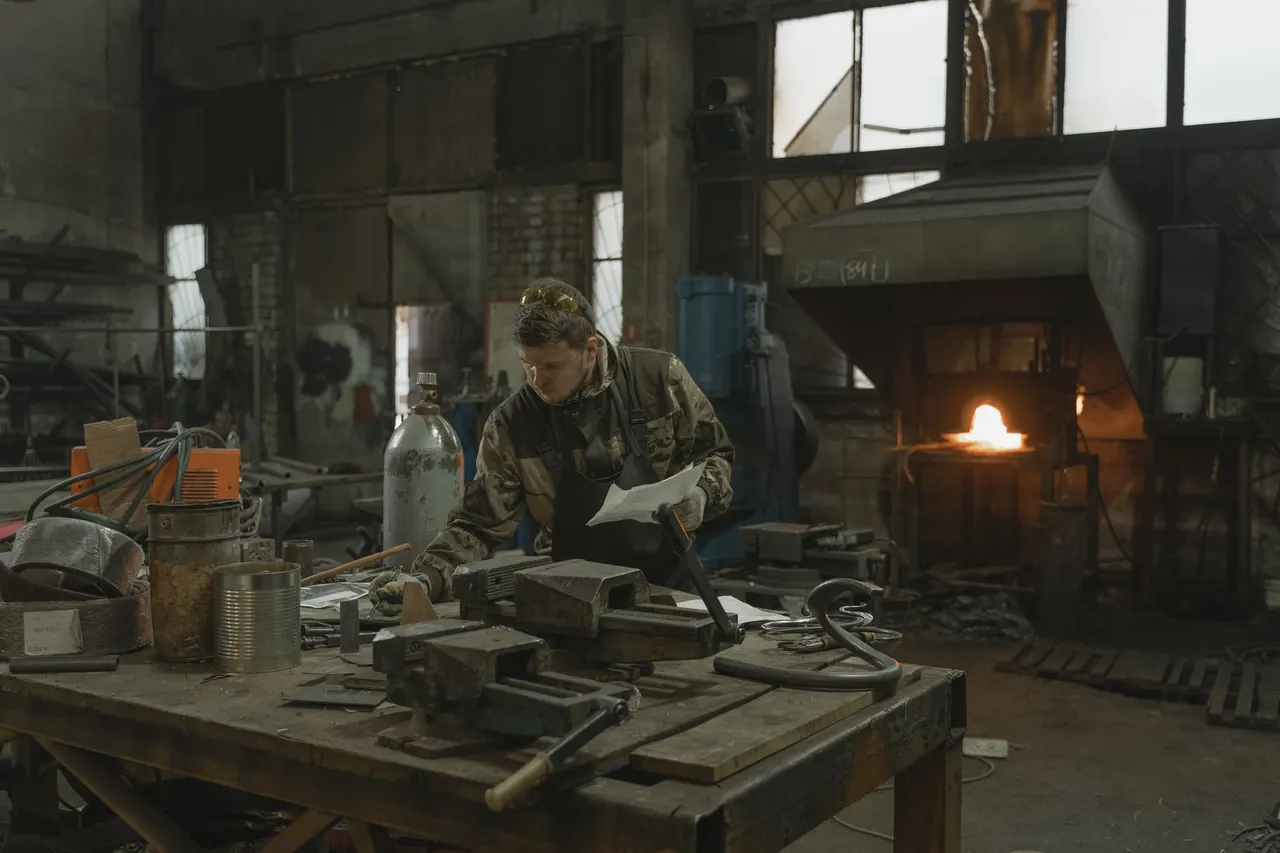
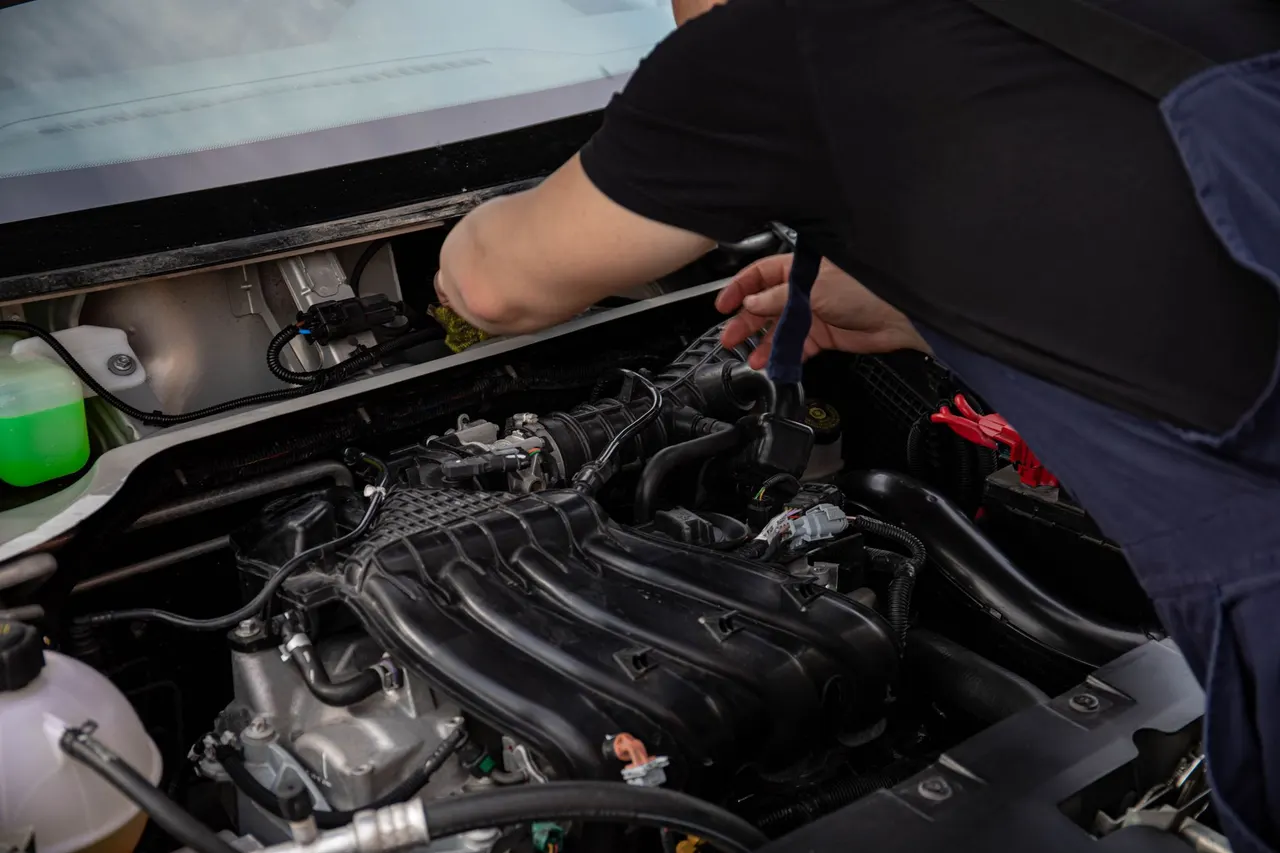
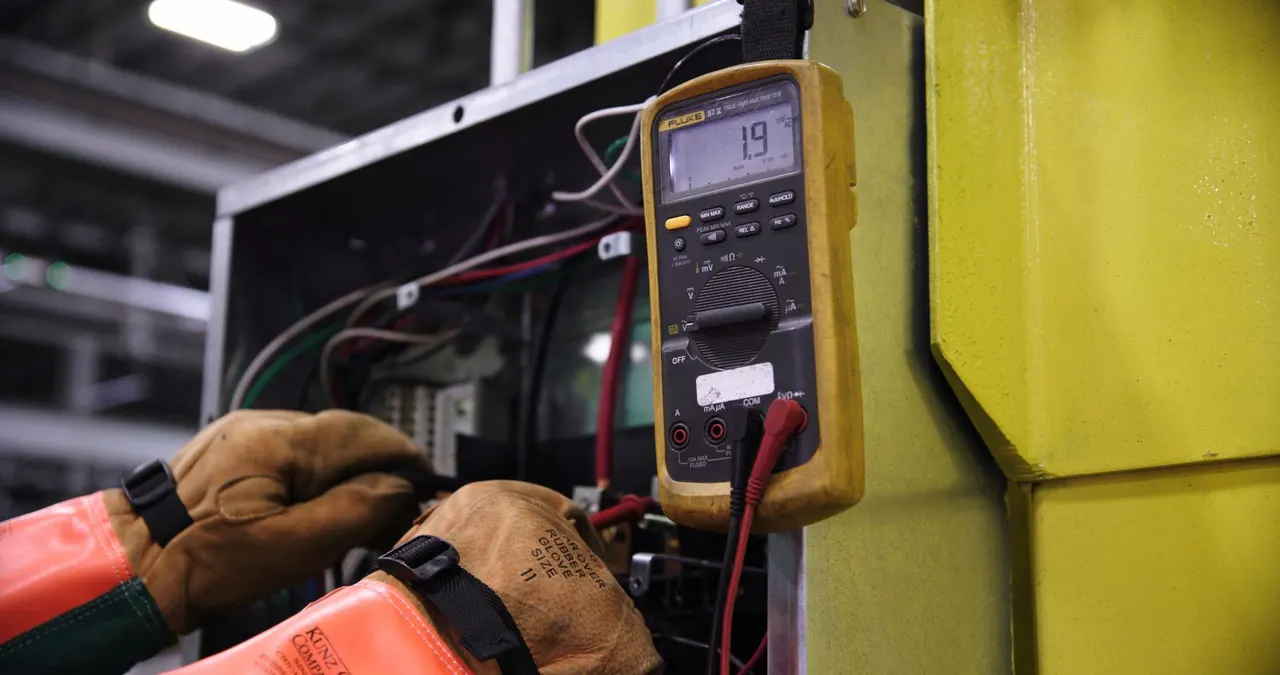
At the furnace, we pull the blower door, test the control board and capacitor with a multimeter, check the igniter and flame sensor, and read gas pressure with a manifold gauge set. This takes 30 to 45 minutes and finds the actual fault, not the symptom.
You get the diagnosis in plain English and a price before we touch a wrench. If it is a $220 flame sensor, that is the number. If the inducer motor is seized and the heat exchanger is cracked, you will see both options side by side.
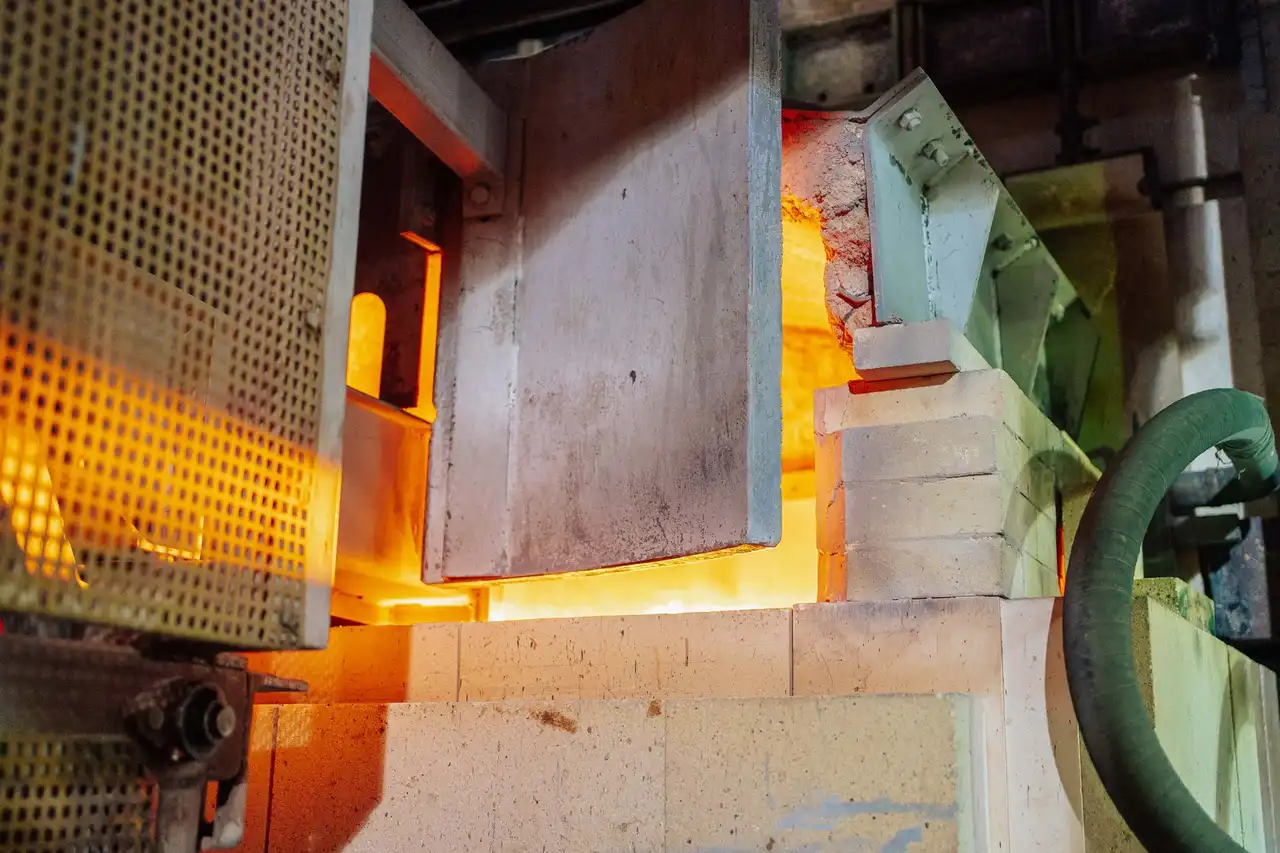
We replace the failed part, fire the furnace, and watch it run through two full cycles. A combustion analyzer confirms CO levels are safe, and an anemometer checks that airflow at the registers matches the blower setting. This is where most one-hour calls turn into two.
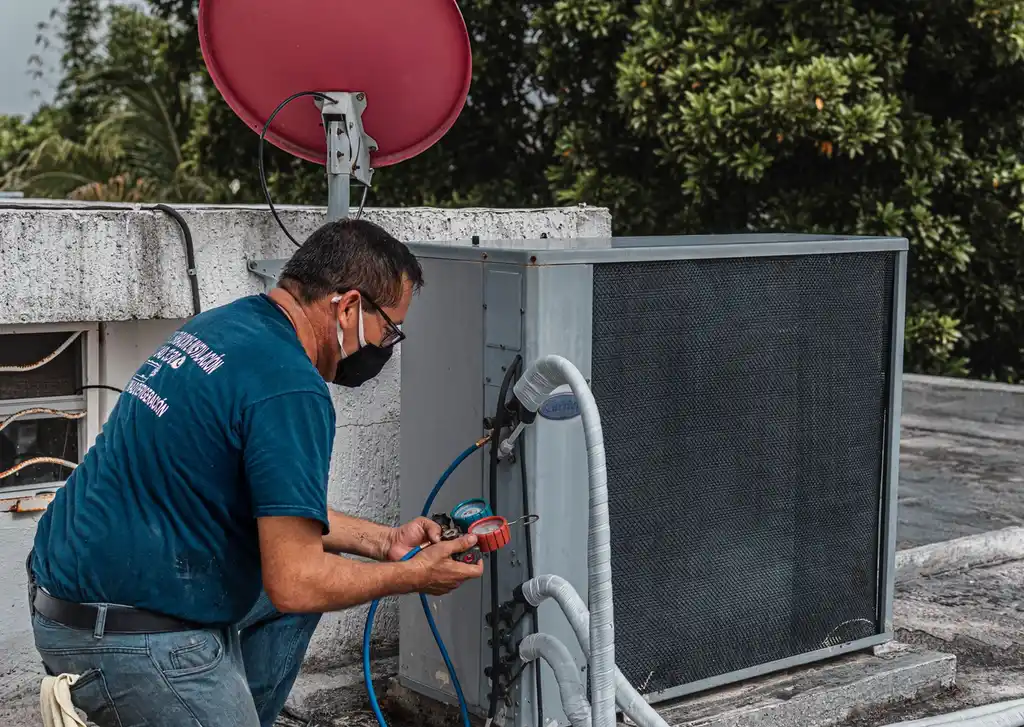
Before we leave, we show you what failed, hand you the old part if you want it, and check your air filter. A clogged filter is the number one cause of blower motor failure in Skokie, and swapping it takes 30 seconds.
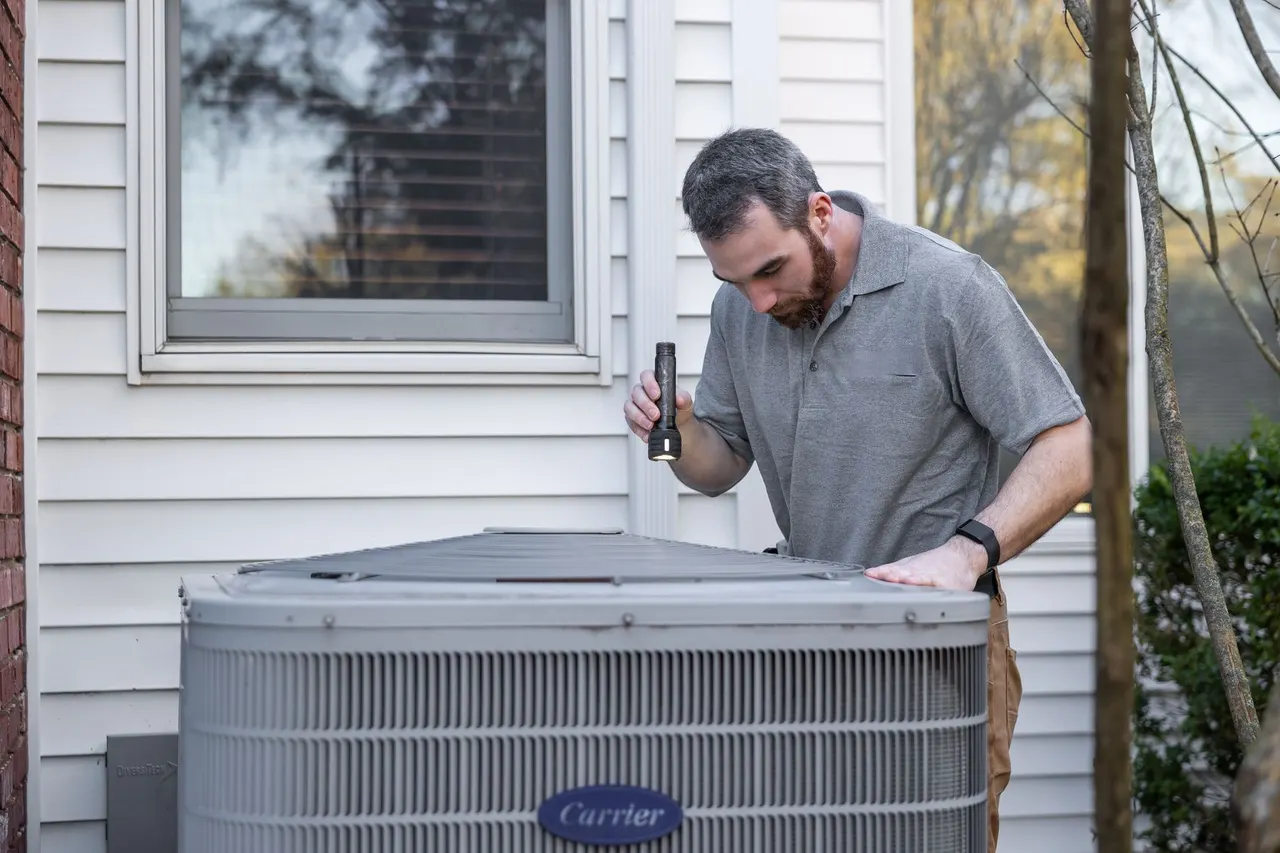
Reads CO, CO2, and flue temperature at the furnace to confirm the burn is clean and safe. Every gas furnace repair visit includes a combustion reading, not just a visual check.
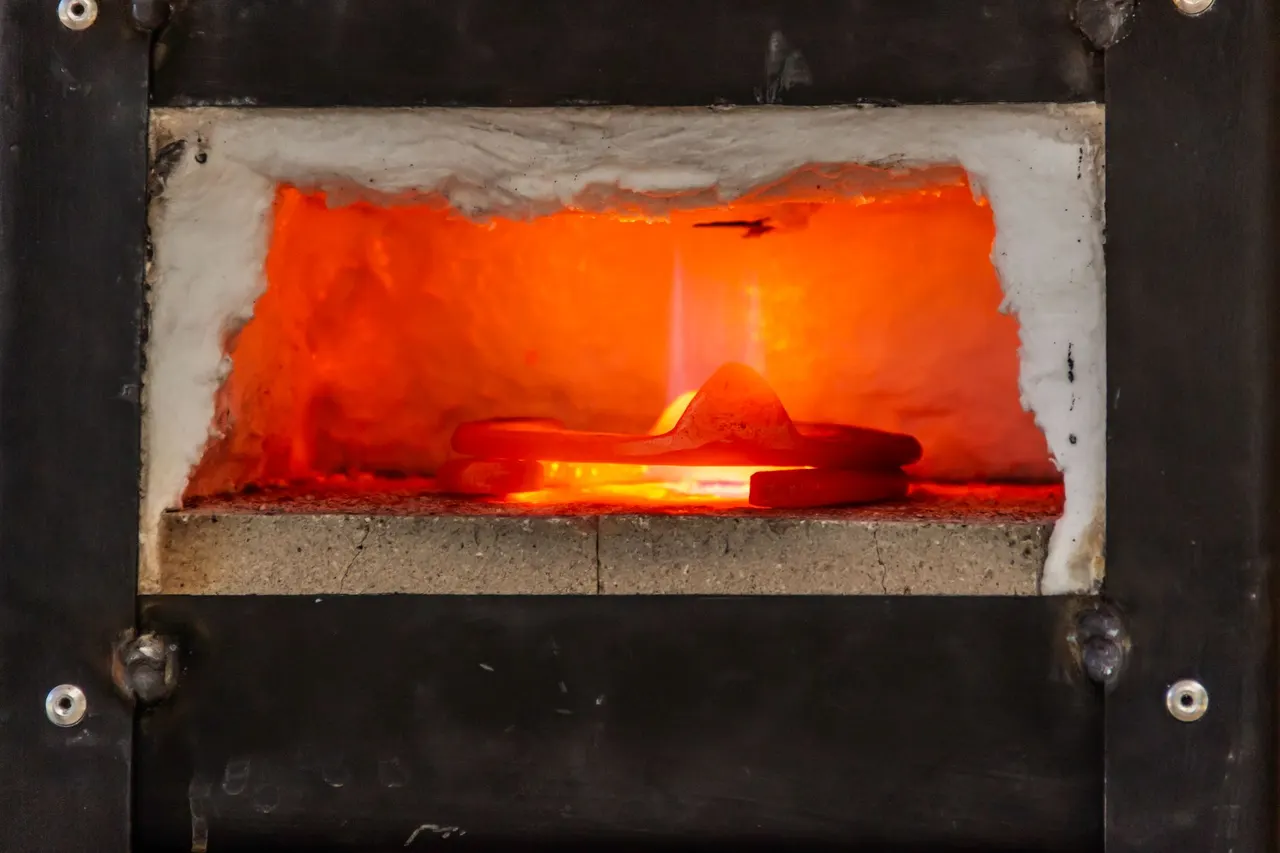
Measures gas pressure at the valve to confirm the furnace is getting the pressure the manufacturer specifies. Wrong pressure causes delayed ignition, sooting, and short component life.
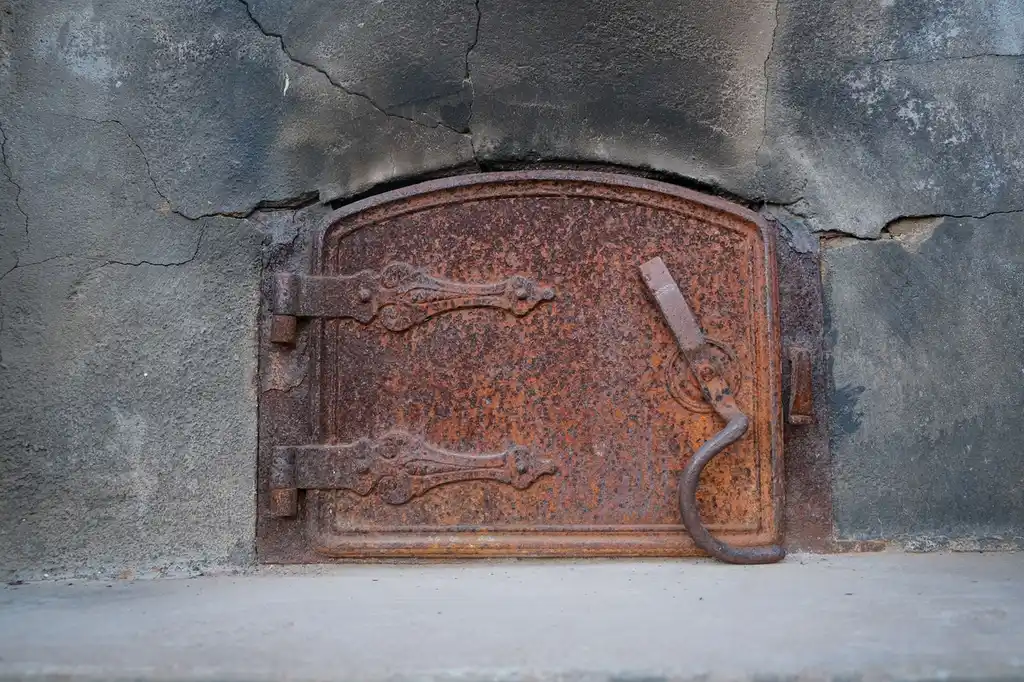
Tests the control board, capacitor, igniter, flame sensor, and thermocouple to isolate the actual failed part instead of replacing components by guesswork.
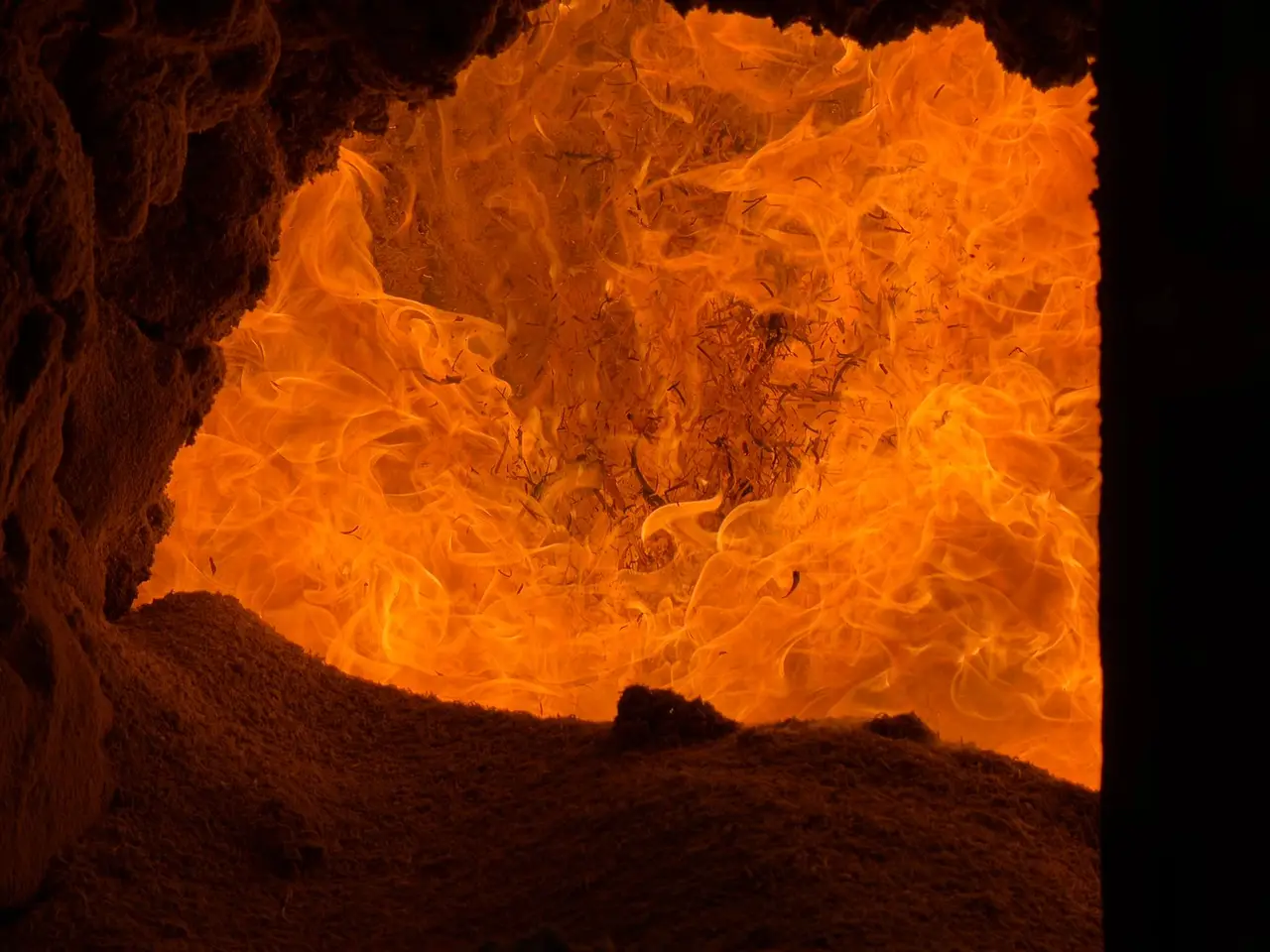
Looks inside the heat exchanger for cracks, rust, and soot that you cannot see from the outside. This is the check that catches carbon monoxide risks before they become an emergency.
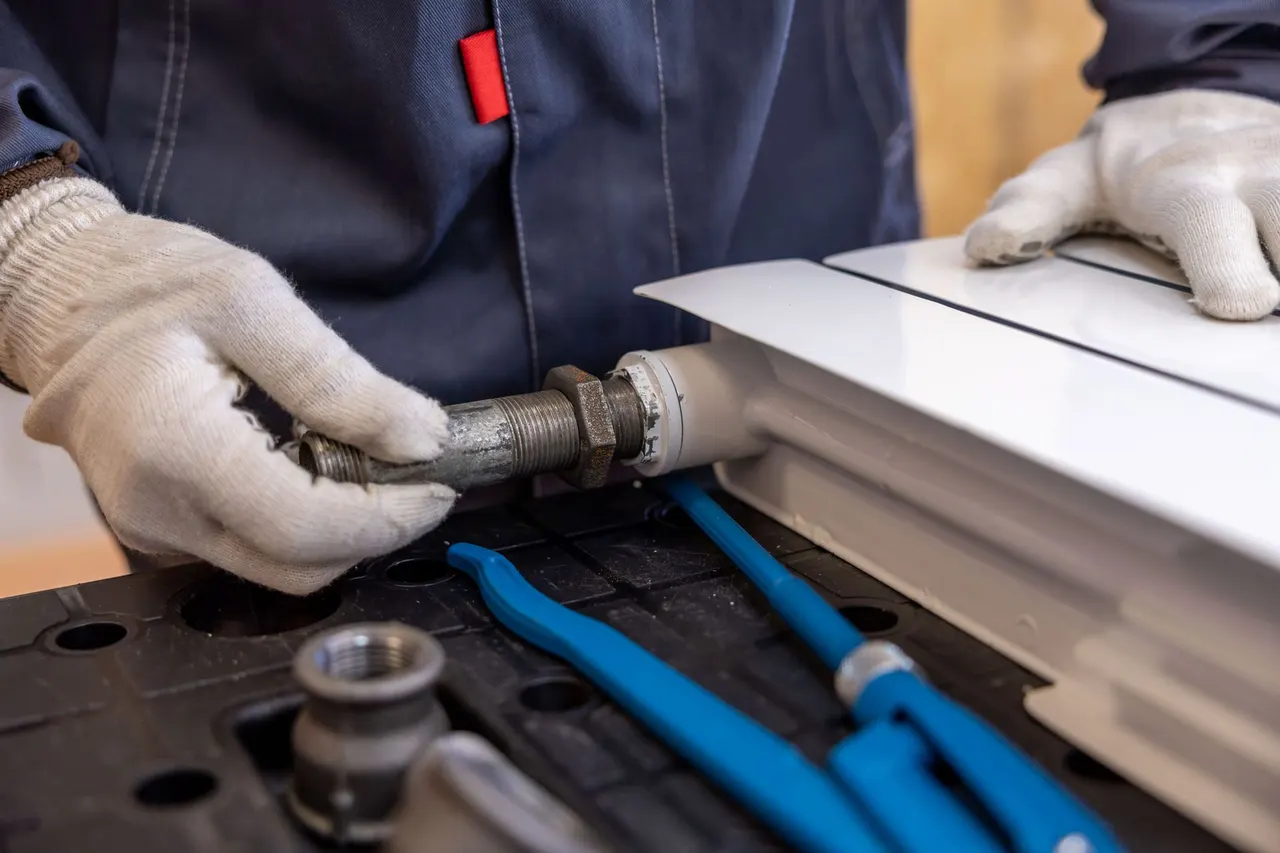
Reads carbon monoxide at the supply plenum and in the living space. If the reading is elevated, we shut the furnace down and explain what we found before anything else happens.
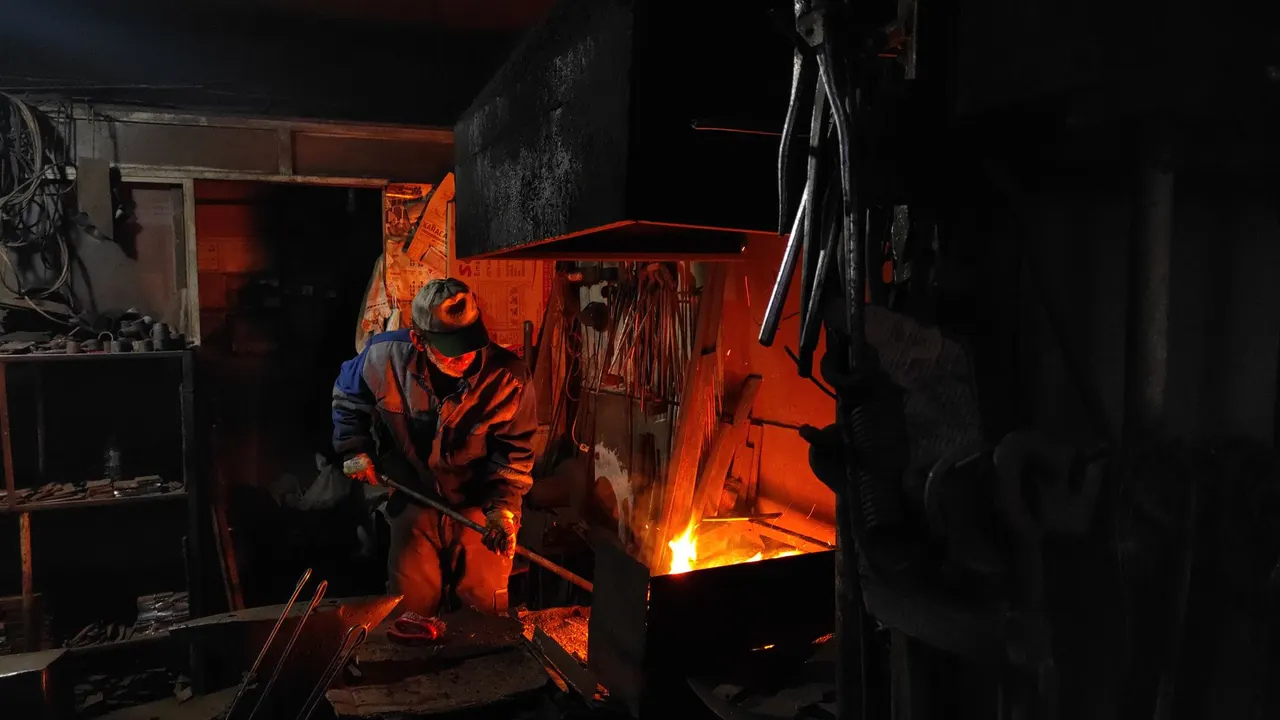
Measures airflow at the registers to confirm the blower is moving the volume of air the system was designed for. Poor airflow is behind a lot of repeat furnace failures.
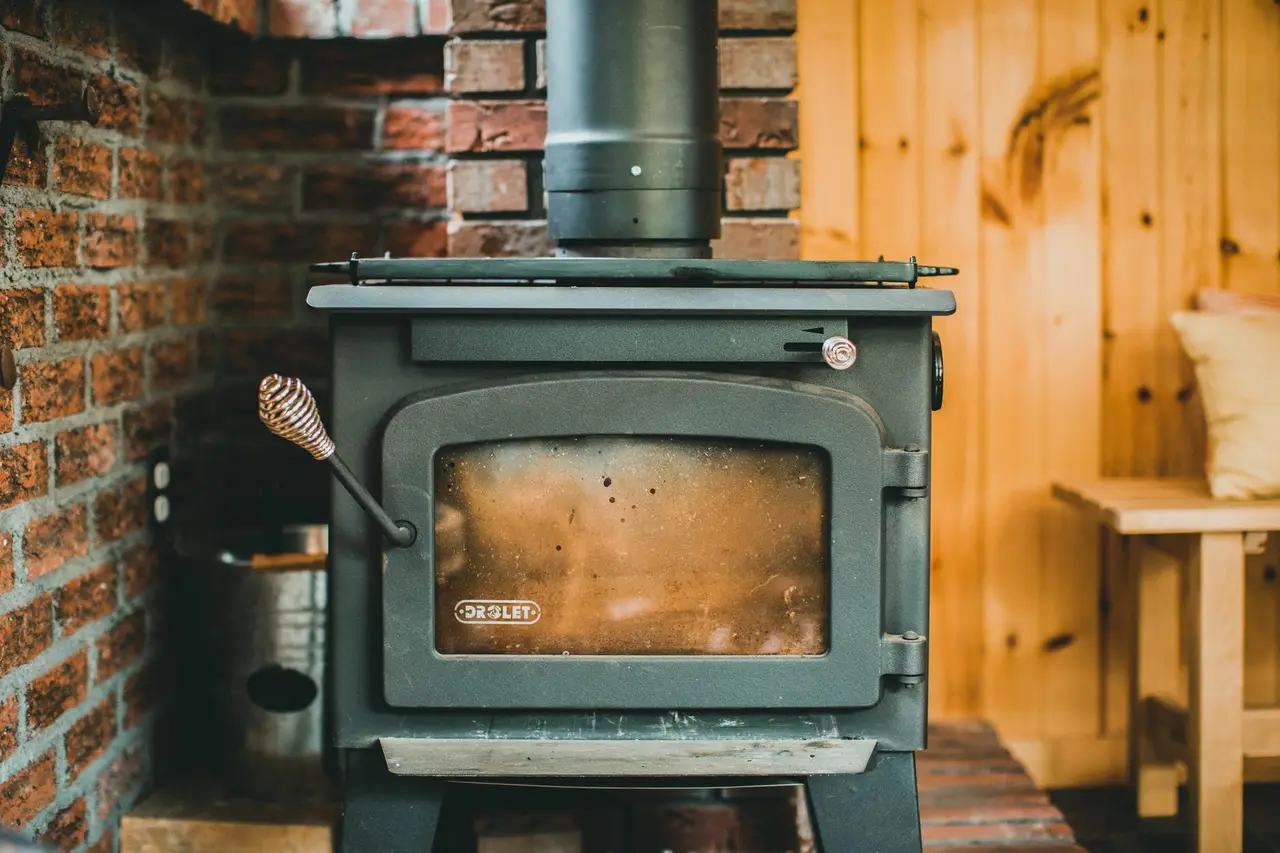
Used for sealed-system work and for opening furnace cabinets cleanly without stripping screws. Small thing, but it is the difference between a clean job and a hacked-up panel.
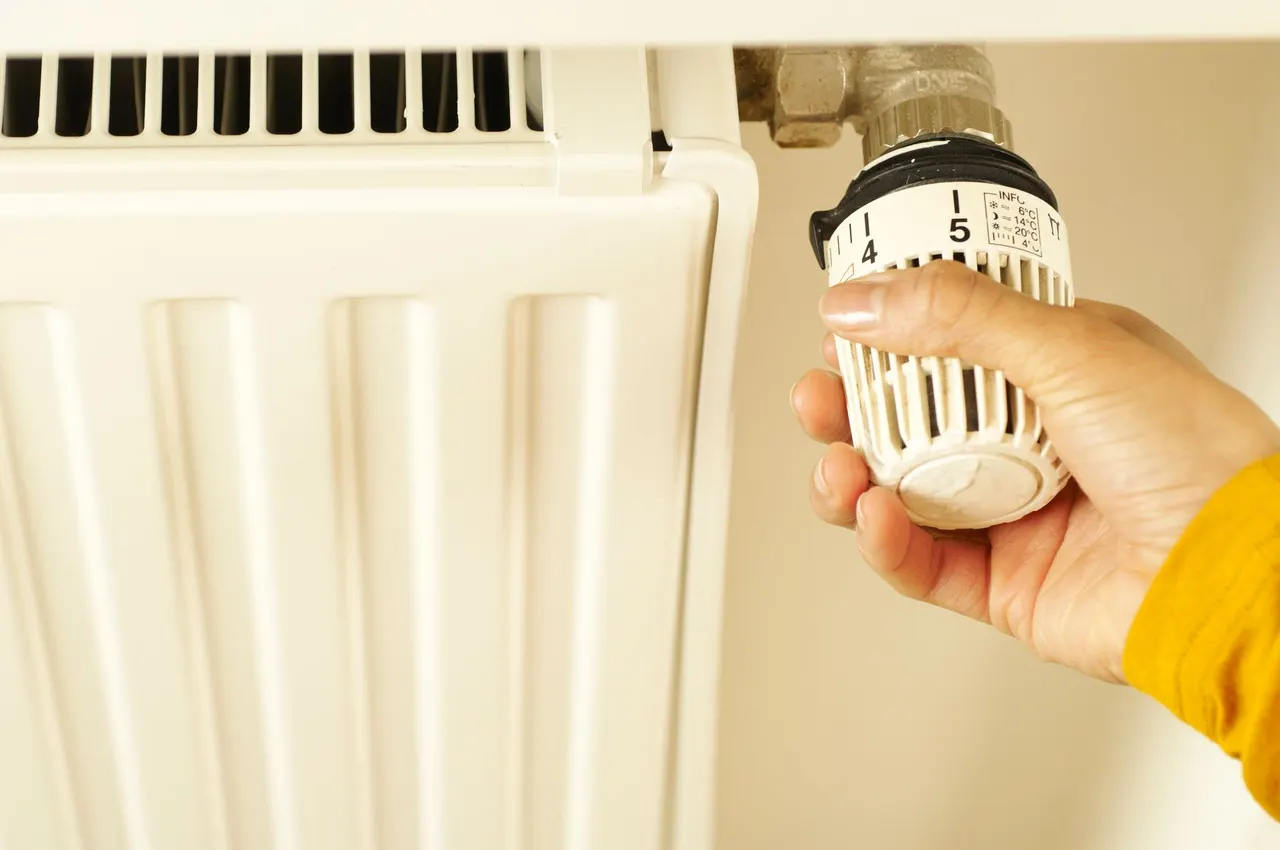
We follow the same test order on every furnace: power, thermostat call, inducer, ignition, flame sensing, gas valve, blower. Skipping steps is how technicians miss the real fault and replace parts that were never broken.
We treat this as a priority no-heat call and dispatch the next available technician with common parts on the truck. Most of these calls are diagnosed and repaired on the first visit, usually within a few hours of the call. Heat restored the same day, and a clear explanation of what failed so you know what to watch for next season.
Short cycling usually traces to a clogged air filter, a failing flame sensor, or an oversized furnace. We test airflow with an anemometer, check the filter and blower, and read the flame sensor signal with a multimeter. The furnace runs full cycles again, the house heats evenly, and the wear on the blower motor and heat exchanger drops significantly.
We inspect the heat exchanger with a camera, test combustion, and document the condition of the furnace in writing. If a repair is needed to close the sale, we quote it and schedule it quickly. A written record the buyer's agent can accept, and a repair done to code so the closing does not stall.
We give you both numbers: the cost to repair now and the realistic remaining life of the unit. If the heat exchanger is cracked or the repair is over a third of replacement cost, we say so. A decision made on real numbers instead of pressure, whether that means one more repair or a planned replacement in the spring.
Skokie sits in Cook County with a housing stock that ranges from 1940s bungalows in Devonshire to newer construction near Old Orchard, and the furnace work reflects that. Older homes here often have undersized ductwork and stingy return air, which forces furnaces to run longer cycles and wears out blower motors and capacitors faster. The climate does the rest: a Chicago winter means furnaces run from October through April, and a single no-heat night can drop a house into the 50s. We see a spike in gas heater repair skokie IL calls after the first hard freeze, usually for flame sensors, igniters, and clogged filters. If you need emergency gas furnace repair skokie Illinois service, we prioritize households with kids, elderly residents, or medical needs. We also handle the permit and inspection side, since gas work in Skokie falls under Illinois HVAC license rules and local building permits. Our trucks carry parts for the brands we see most, so most repairs finish on the first visit.
A 1968 ranch home with a Carrier furnace that would not light. The homeowner had already replaced the thermostat with no change. The house was at 57 degrees by mid-morning and the family was running space heaters in two rooms.
We found a failed igniter and a flame sensor coated in soot. Both were replaced on the first visit, gas pressure was set to spec, and the furnace was running through full cycles within two hours. The house was back to 70 by dinner.
Change the air filter every 60 to 90 days and book a fall tune-up. A clean flame sensor and correct gas pressure are what keep this furnace lighting reliably through the winter.
A 2012 Lennox high-efficiency furnace short-cycling every two to three minutes. The homeowner had been told it needed a new control board. The house heated unevenly and the utility bill had jumped 30 percent over the previous winter.
The actual cause was a clogged air filter and a blower capacitor reading below spec. We replaced the capacitor, swapped the filter, and verified airflow with an anemometer. The furnace ran full cycles again and the uneven heating cleared up.
Use the correct filter size and check it monthly during heating season. A $25 filter and a $180 capacitor beat a $900 control board every time.
A landlord called about a tenant reporting headaches and a CO detector chirping in a 1998 Rheem furnace. The furnace was still producing heat, so the problem was not obvious from the thermostat.
Combustion testing showed elevated CO, and the inspection camera confirmed a cracked heat exchanger. We shut the furnace down, documented the findings, and replaced the unit. The tenant was back to safe heat within a day.
Annual combustion testing and a camera inspection of the heat exchanger are the two checks that catch this before it becomes a health issue. Do not skip them on a furnace over 15 years old.
Most no-heat calls come down to a handful of failures. Here are the ones we see most in Skokie, what happens if you ignore them, and how we fix them.
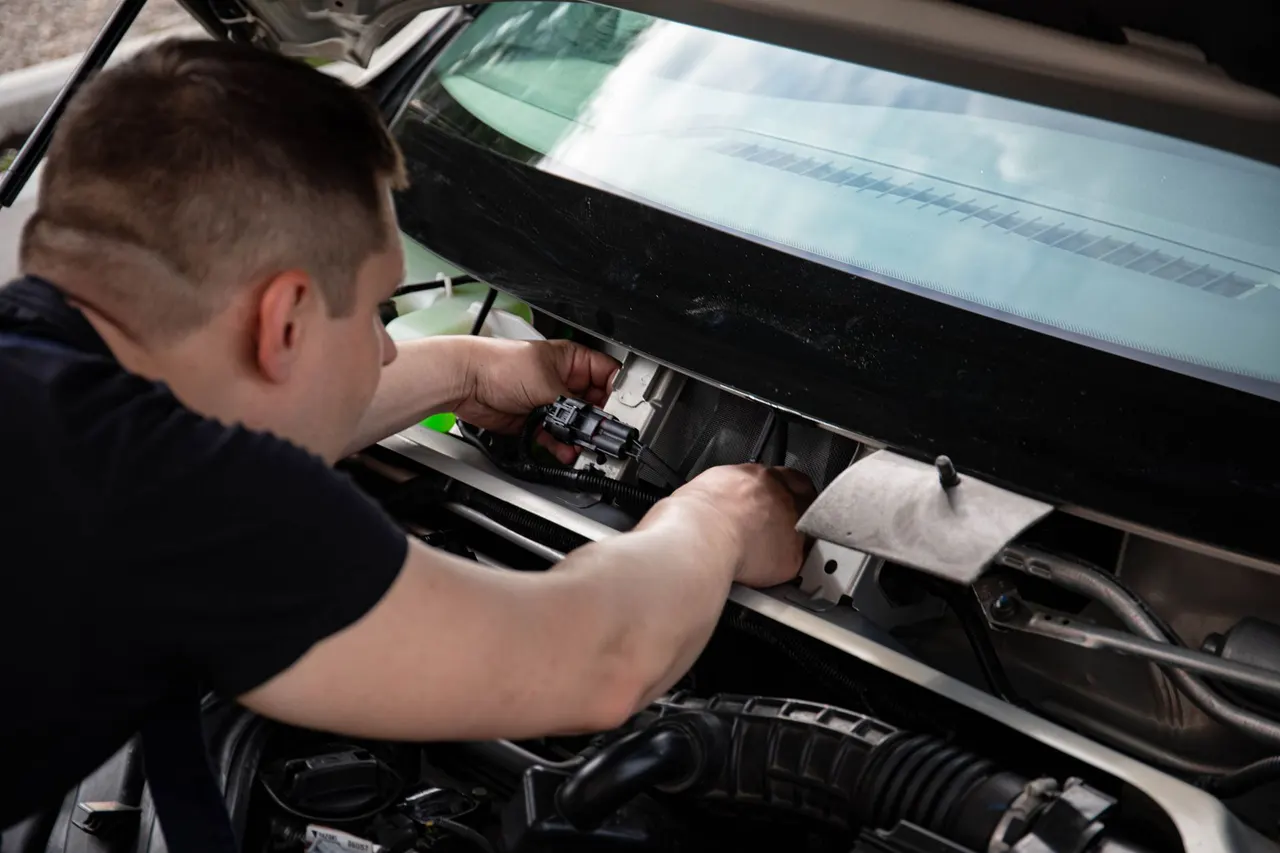
We test the igniter, flame sensor, and gas valve in sequence to find which one is failing. Most of these calls end with a flame sensor cleaning or a new igniter, and the furnace is lighting reliably within an hour. The blower runs but the burners never light, so the house gets colder while the furnace wastes electricity. Left alone, the repeated failed ignition cycles can damage the control board.
We test the thermocouple with a thermocouple tester, check the draft and venting, and read the control board fault codes. Once we know the cause, the fix is usually a thermocouple or a venting correction. A pilot that keeps going out usually means a failing thermocouple or a draft problem. A lockout means the control board has detected a fault and shut the system down for safety.
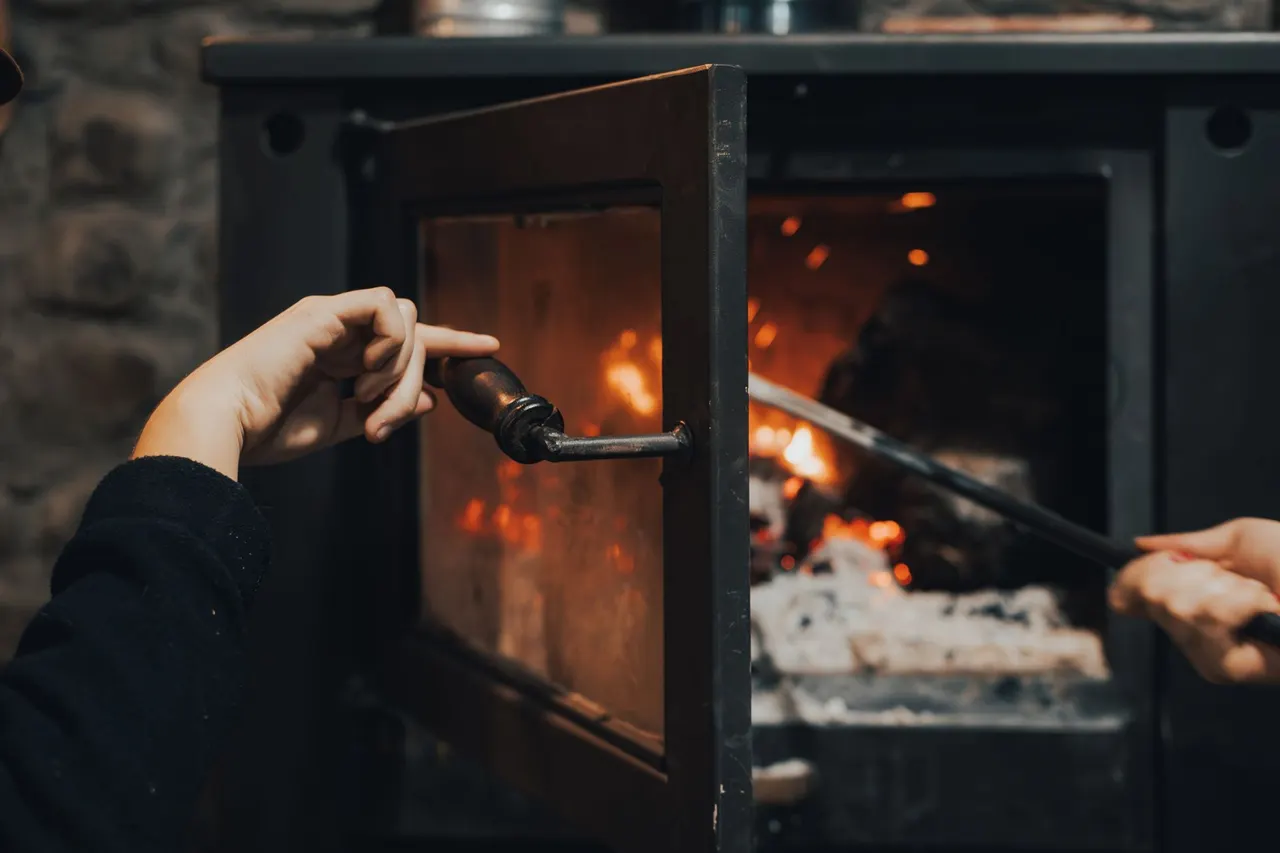
We clean the burners, check gas pressure with a manifold gauge set, and test the igniter timing. Fixing delayed ignition early is what keeps a $250 repair from becoming a $2,500 heat exchanger replacement. Banging on startup is delayed ignition, where gas builds up before it lights. It puts stress on the heat exchanger and gets worse over time. Rumbling often points to dirty burners.
We shut the furnace down, test combustion with a combustion analyzer, and inspect the heat exchanger with an inspection camera. If the exchanger is cracked, we tell you plainly and walk you through replacement options. CO is odorless and dangerous. A cracked heat exchanger, blocked flue, or bad combustion can push it into the living space. This is the one problem you never wait on.
Most no-heat calls in skokie are diagnosed and repaired the same day. We stock common parts for Carrier, Trane, Lennox, Rheem, Goodman, Bryant, American Standard, and York on the truck, so we are not waiting two days on a warehouse run while your family bundles up.
If your furnace is 18 years old and the heat exchanger is cracked, we tell you. If a $180 thermocouple or flame sensor fixes it, we tell you that too. You get a straight answer, not a sales pitch for a system you do not need yet.
Every gas furnace repair skokie visit includes a CO detector reading at the supply plenum and a visual heat exchanger inspection with an inspection camera. A cracked heat exchanger is the one failure you cannot smell, and it is the one we will not leave behind.
Gas work in Cook County falls under Illinois HVAC license and local building permit rules. We pull permits when the scope requires it, follow OSHA safety compliance on every job, and leave the paperwork you need if you sell the house or file an insurance claim.
Clear records you can keep and share.
The failed part and the readings we took
What was replaced and the part numbers
CO and flue readings from the visit
Most furnace failures are repairable, but a few are not worth fixing. The deciding factors are heat exchanger condition, furnace age, and how much the repair costs relative to replacement.
A cracked heat exchanger is a carbon monoxide risk and almost always means replacement. We confirm it with an inspection camera before making that call.
If the repair costs more than a third of a new furnace, replacement usually makes more sense. We give you both numbers and let you decide.
Furnaces over 18 years old are near the end of their service life. One more repair can be worth it, but plan for replacement within a year or two.
Outside these areas? Call and ask, we may still reach you. 847 238 8439
Most repairs run $180 to $650 in 2026, with a diagnostic fee of $89 to $129 that we credit toward the work. A flame sensor or thermocouple replacement sits at the low end. A blower motor, inducer motor, or control board pushes toward the top. Heat exchanger replacement usually runs $1,200 to $2,400, and at that point we walk you through repair versus replacement.
It can be if the wrong person does it. Gas leaks, carbon monoxide, and improper combustion air are real risks, which is why Illinois requires licensed HVAC work and why we test with a combustion analyzer on every visit. We check the heat exchanger with an inspection camera and read CO at the plenum. If we find a cracked exchanger or a gas leak, we shut the unit down and tell you exactly why.
The four most common causes we find in Skokie are a dirty flame sensor, a failed igniter, a clogged air filter choking airflow, and a bad capacitor on the blower motor. A thermostat malfunction or a tripped safety switch can also stop heat. If the furnace runs but blows cold air, the issue is usually ignition or gas supply, not the blower.
You can safely replace the air filter, check the breaker, and confirm the thermostat is set to heat. Beyond that, no. Gas valve work, igniter replacement, and heat exchanger diagnosis require a license, a combustion analyzer, and a CO detector. DIY gas work also voids manufacturer warranties and can fail a home inspection. Call us instead.
No heat is not a wait-and-see problem in a Chicago winter. Call Skokie FurnaceRepair at 847 238 8439 and we will get a technician to your door with the parts to finish the job. Upfront pricing, same-day service, and a repair that holds.
Reach us at 847 238 8439 for furnace repair, maintenance or a safety inspection anywhere in Skokie. We answer calls during business hours and run emergency no-heat service around the clock. Tell us what the furnace is doing and your neighborhood, and we will set a window that works.