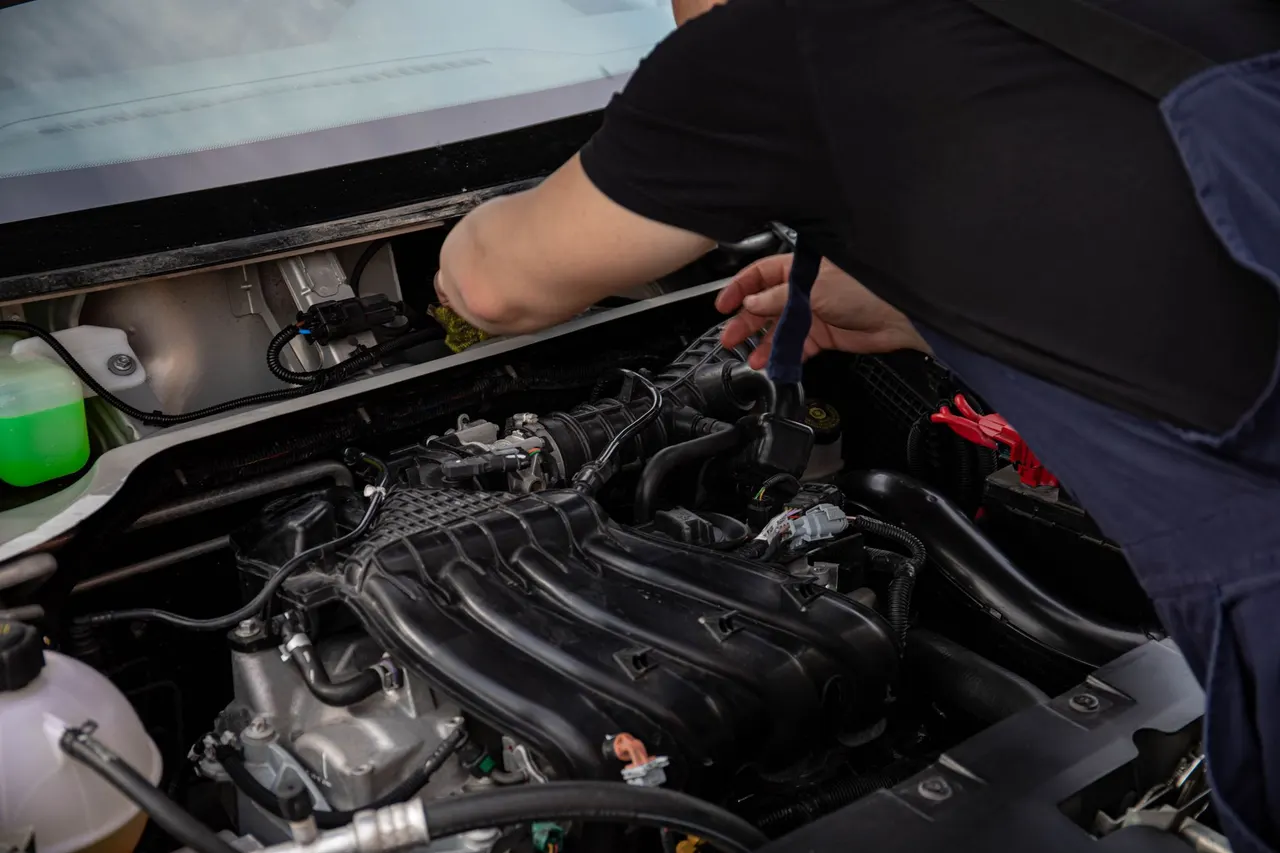
Written diagnosis
Which part failed and the meter reading
When your furnace clicks but never fires, furnace ignition and pilot repair skokie IL is the fix. We test the thermocouple, flame sensor and igniter with a multimeter, then repair or replace the failed part the same visit. Homes across Cook County call us because we carry common Carrier, Trane, Lennox and Rheem parts on the truck. Call 847 238 8439.
Every ignition call covers the full circuit, not just the part that failed. We test the sequence, repair the fault, verify the flame and check the safety items around it. Parts beyond the ignition circuit, like a blower motor or control board, are quoted separately if we find them.
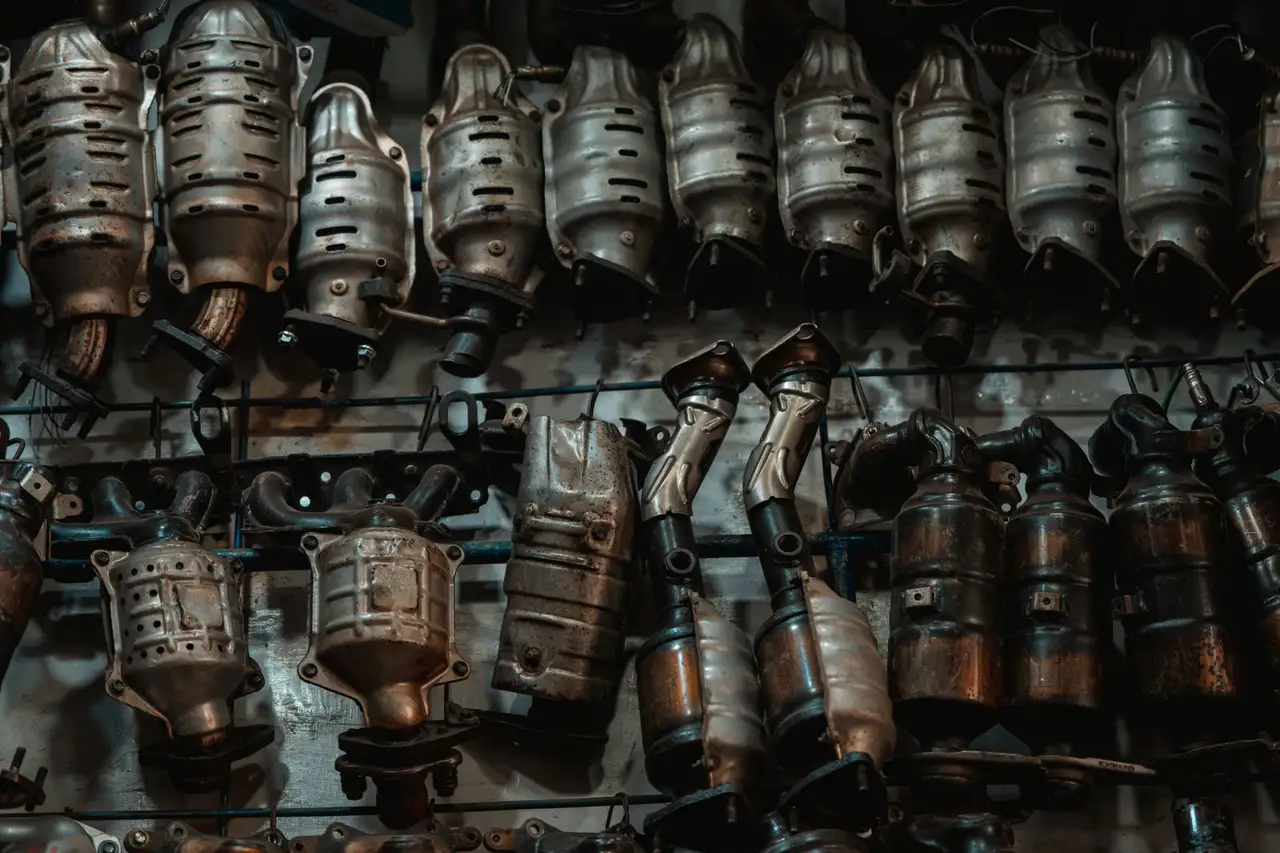
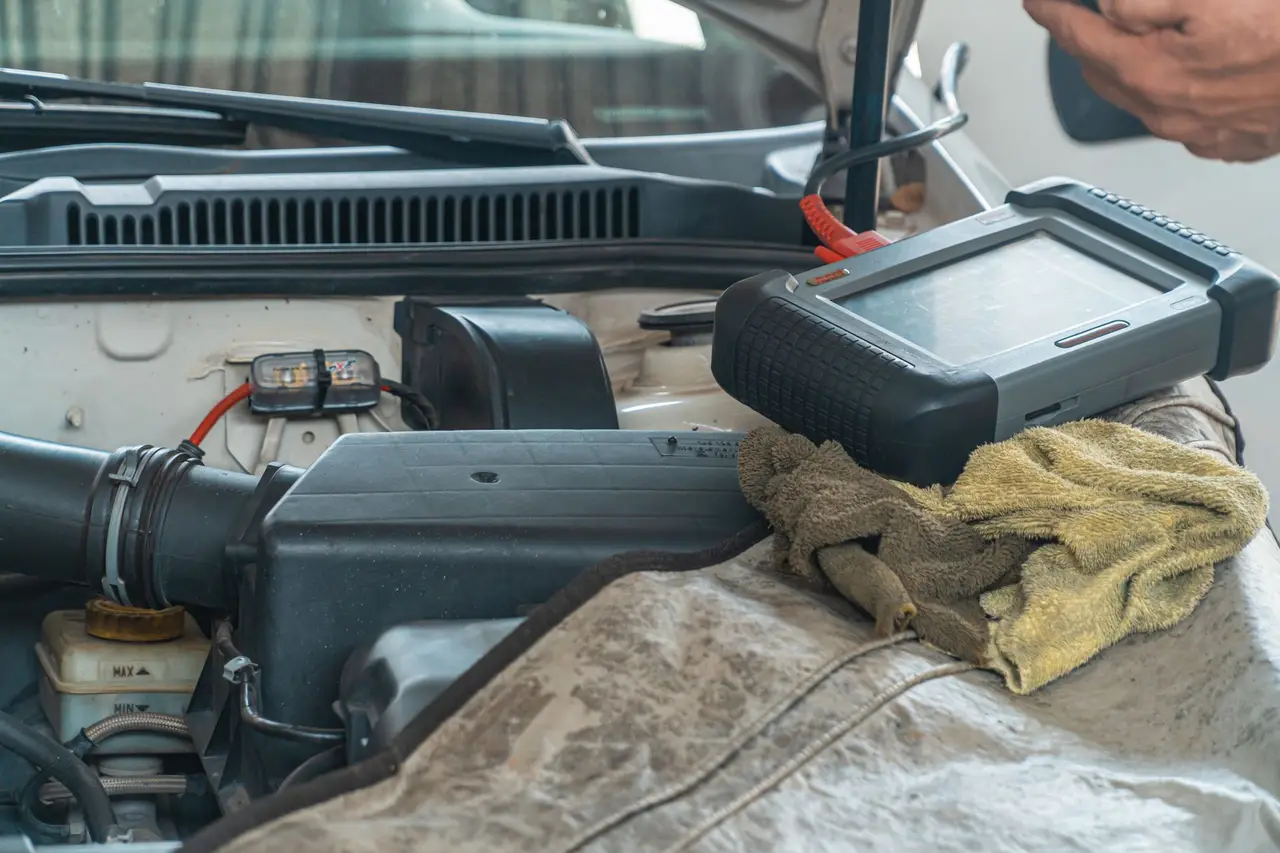
We repair pilot and ignition faults in houses, bungalows and two-flats across Skokie. You get a diagnosis, a price and a furnace that holds a flame before we leave.
We handle ignition faults in small rental buildings, storefronts and mixed-use properties around Skokie. One visit covers diagnosis, repair and a written note for the tenant or owner.
Furnace ignition and pilot repair skokie IL is the diagnostic and repair work that restores a furnace's ignition sequence so the burners light and stay lit. It covers standing pilot assemblies, spark igniters, hot-surface igniters, flame sensors, thermocouples and the gas valve that feeds them. When the sequence breaks, the furnace runs the inducer, clicks a few times and shuts down with no heat. We test each component in order, find the failed link and replace it.
Most Skokie calls start the same way: the thermostat calls for heat, the furnace hums, then nothing. In 2026 the two most common culprits we see are a dirty flame sensor and a worn thermocouple, both cheap parts that fail quietly after years of cycling. If your pilot light won't stay lit, or the furnace blows cold air on the coldest night of the year, that is the moment to book furnace ignition repair skokie and get the heat back before the house drops below 60 degrees.
We test the ignition sequence in order, fix the part that failed, then prove the flame holds.
Every call follows the same five steps. You get a clear diagnosis, an upfront price and a furnace that lights and holds before we pack up.
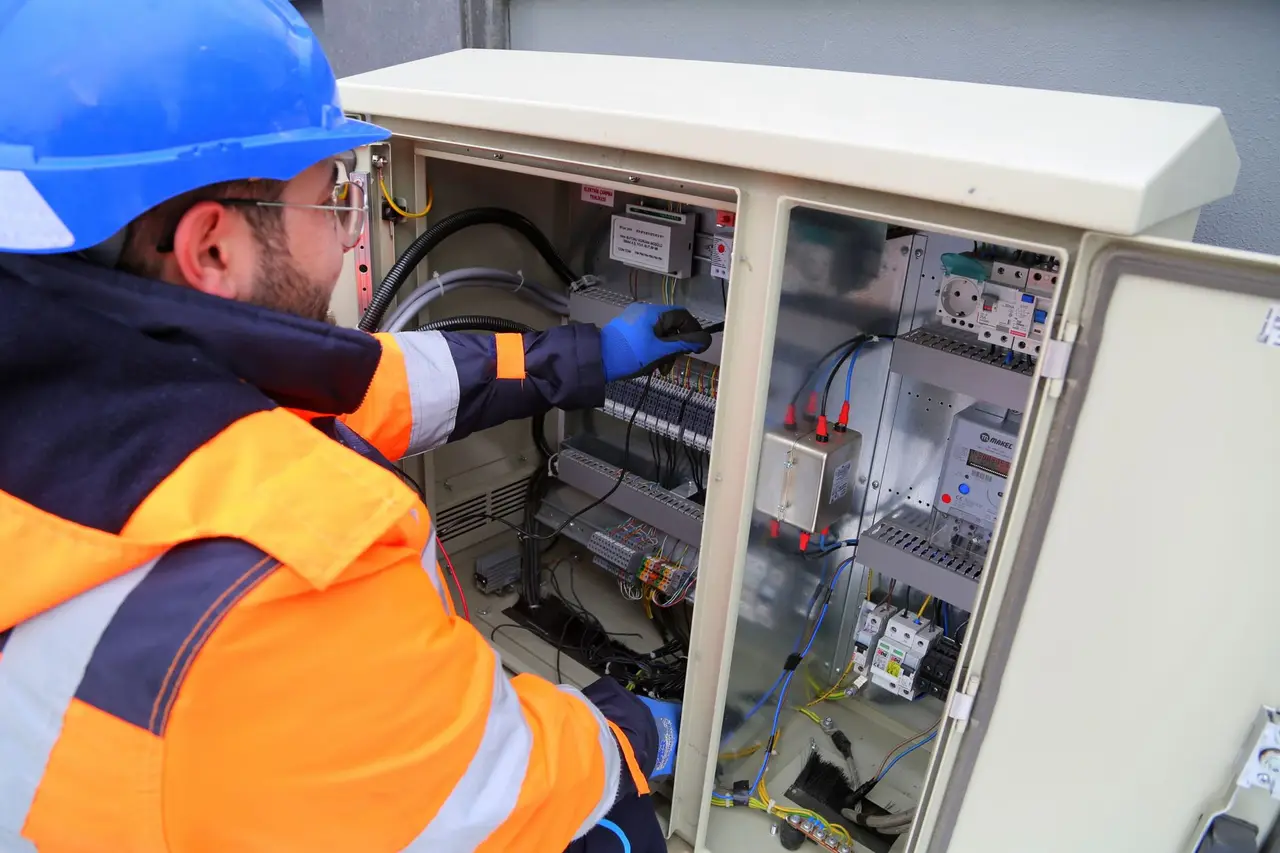
You call 847 238 8439 and describe the symptom: no heat, pilot won't stay lit, clicking with no flame. We book a same-day window, usually within a few hours, and confirm the address and furnace brand so the truck rolls with the right parts.
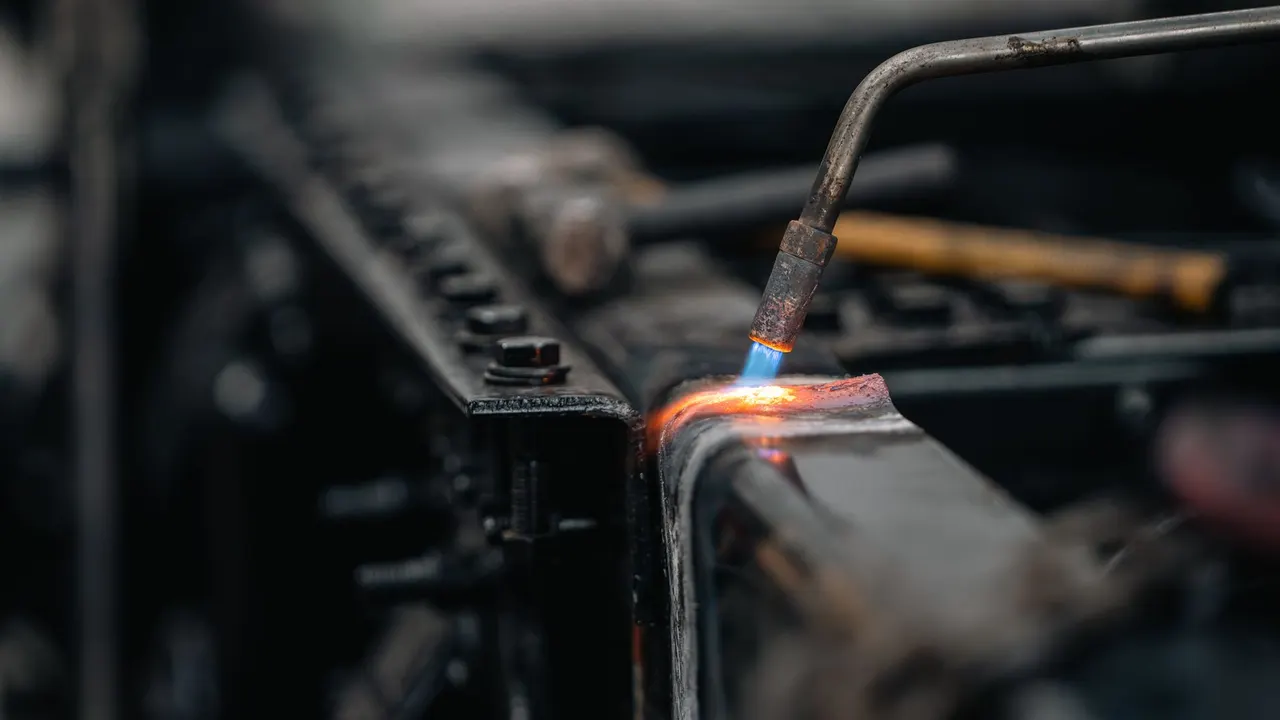
The technician pulls the burner door and walks the ignition sequence with a multimeter and thermocouple tester. We check the inducer motor, gas valve, igniter and flame sensor in order, which takes 20 to 40 minutes and tells us exactly which part broke the chain.
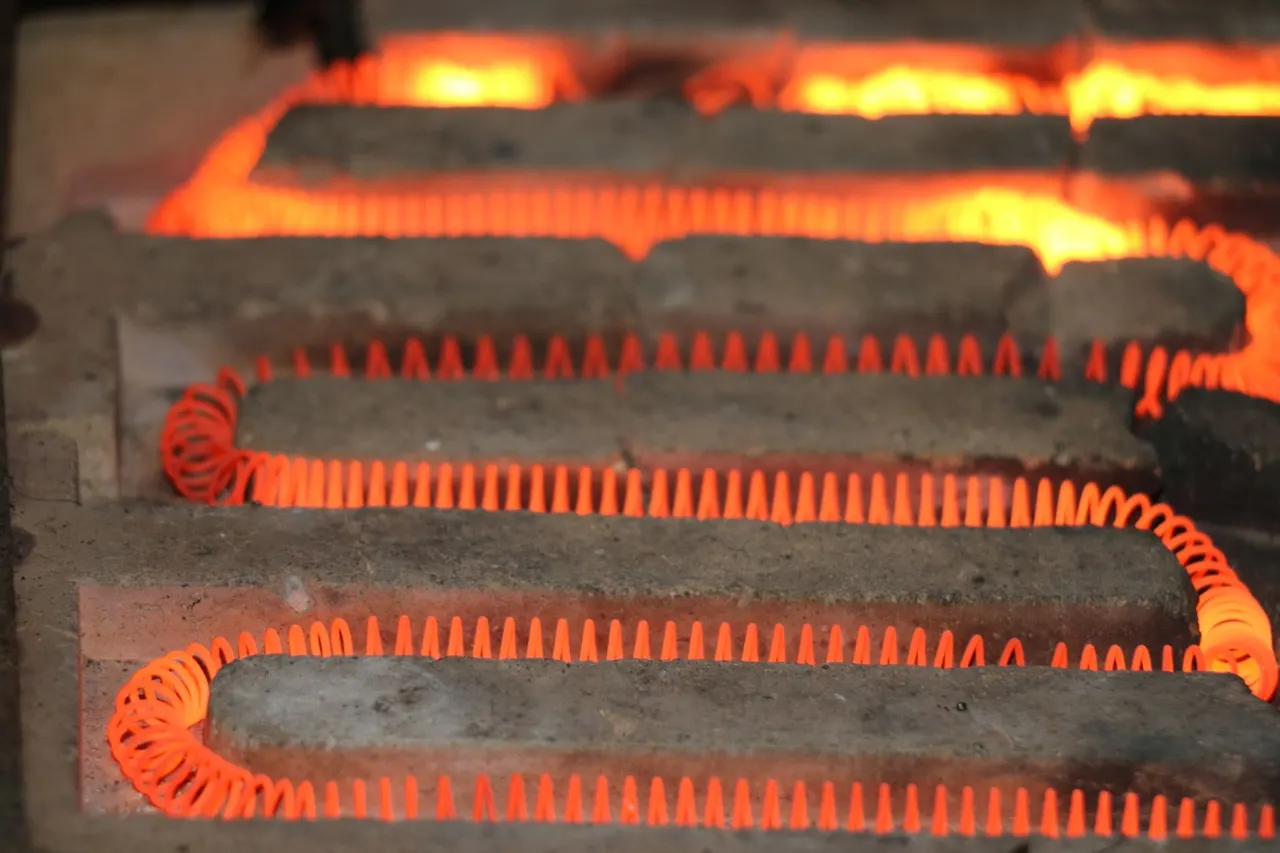
You get the diagnosis in plain language and a price for the repair before any part comes off the truck. If the fix is a $180 thermocouple, we say so. If the heat exchanger is cracked and repair no longer makes sense, we say that too.
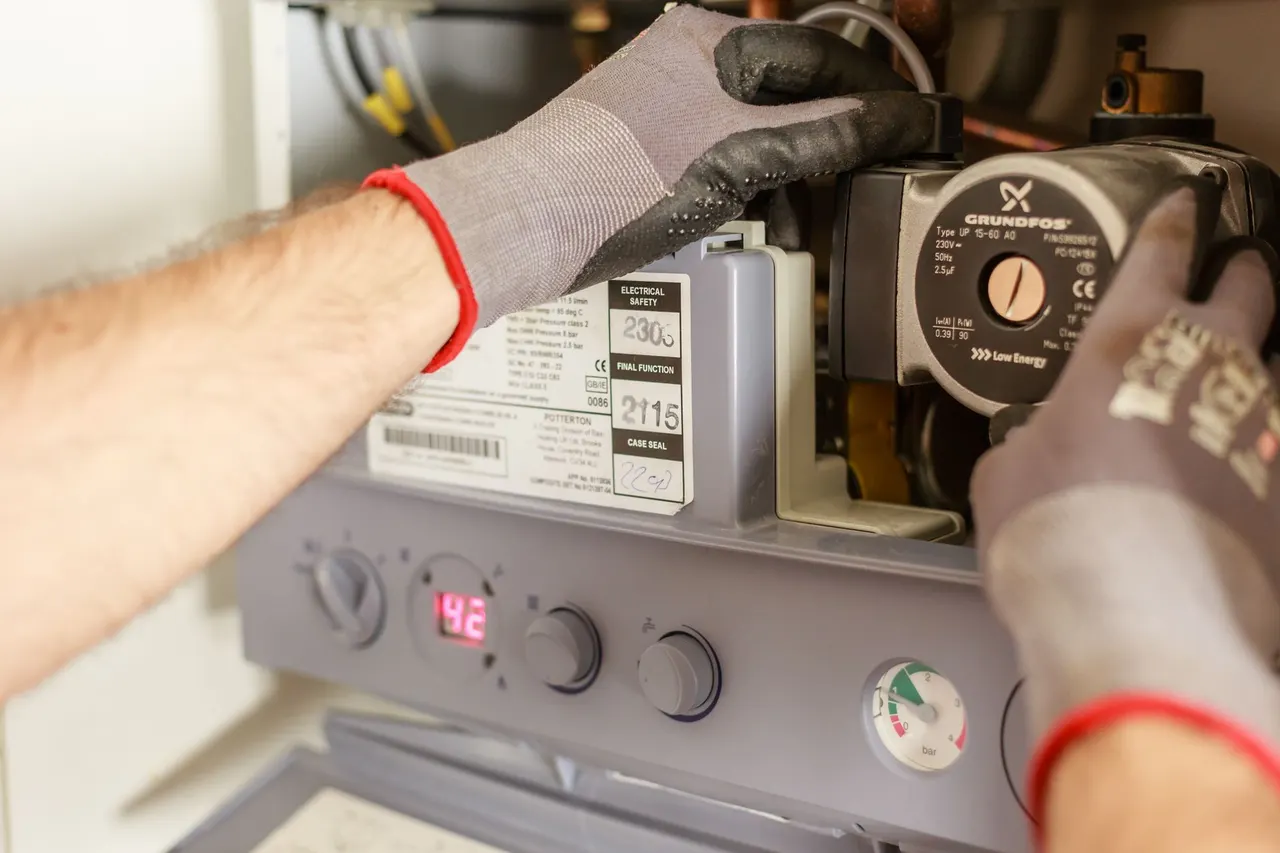
We replace the failed igniter, thermocouple, flame sensor or gas valve, clean the burner assembly and relight. Then we run the furnace through three full cycles and confirm a steady flame with a combustion analyzer before calling it done.
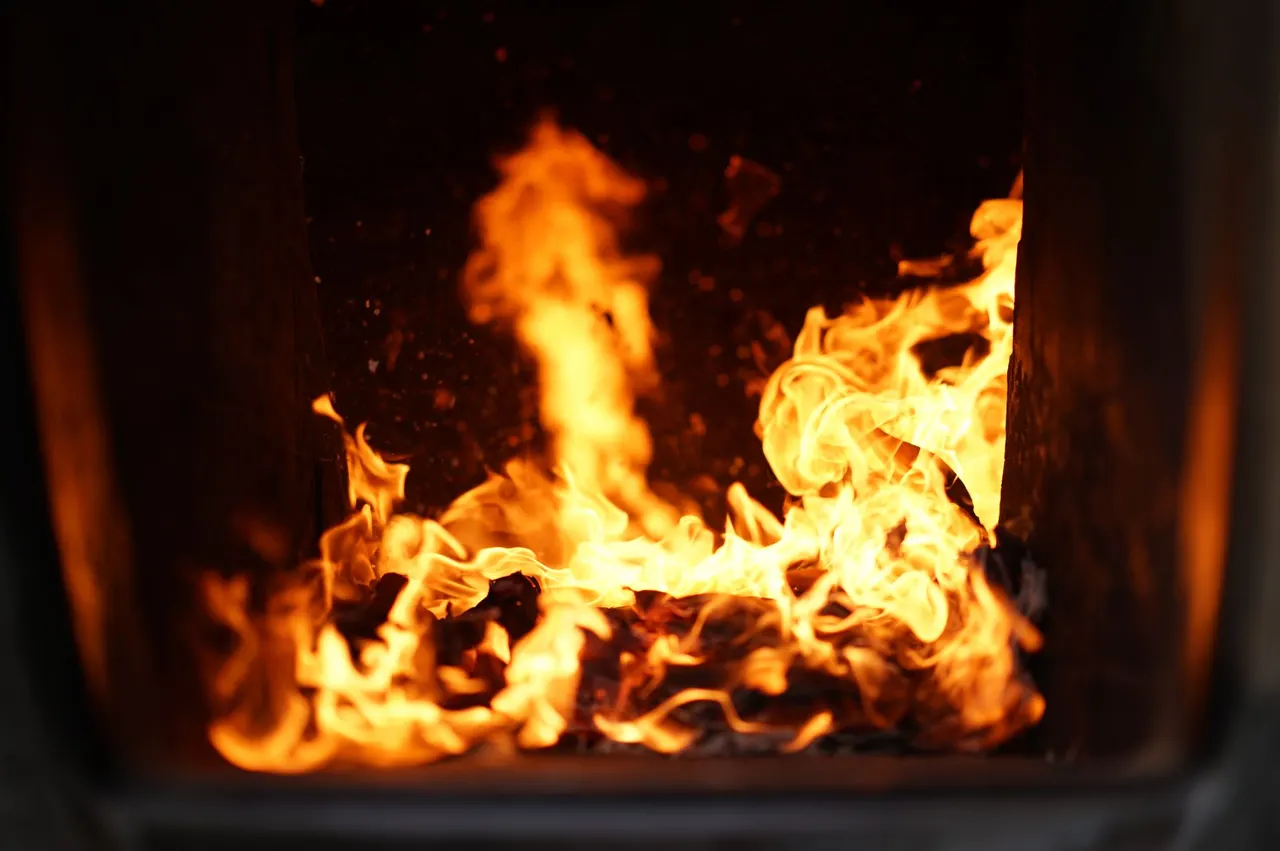
Before we leave, we show you what failed, hand over the old part, and check your air filter. A clogged air filter is one of the most common causes of repeat ignition faults, so we replace it if it is loaded and note the size for next time.
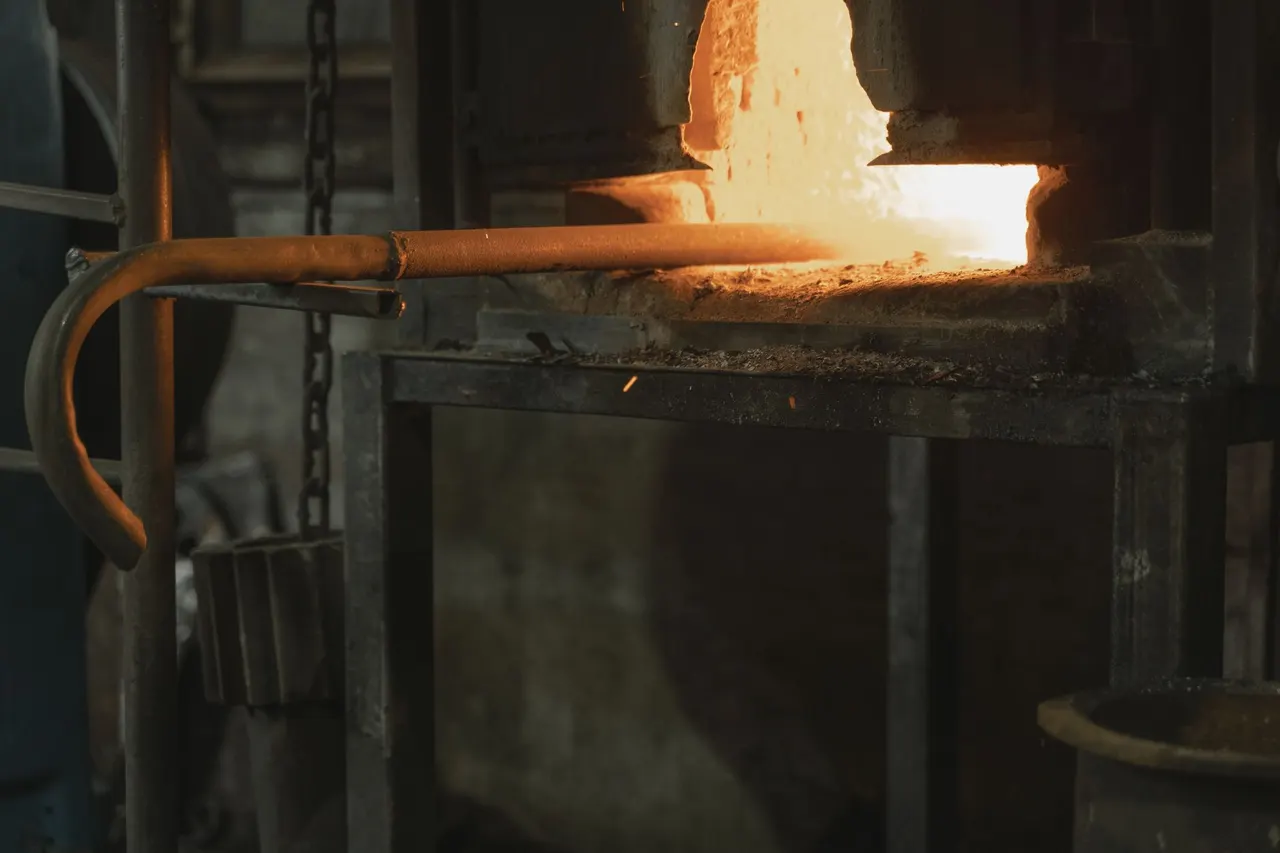
Reads thermocouple millivolt output and flame sensor microamp signal so we know whether a part is weak or dead before replacing it.
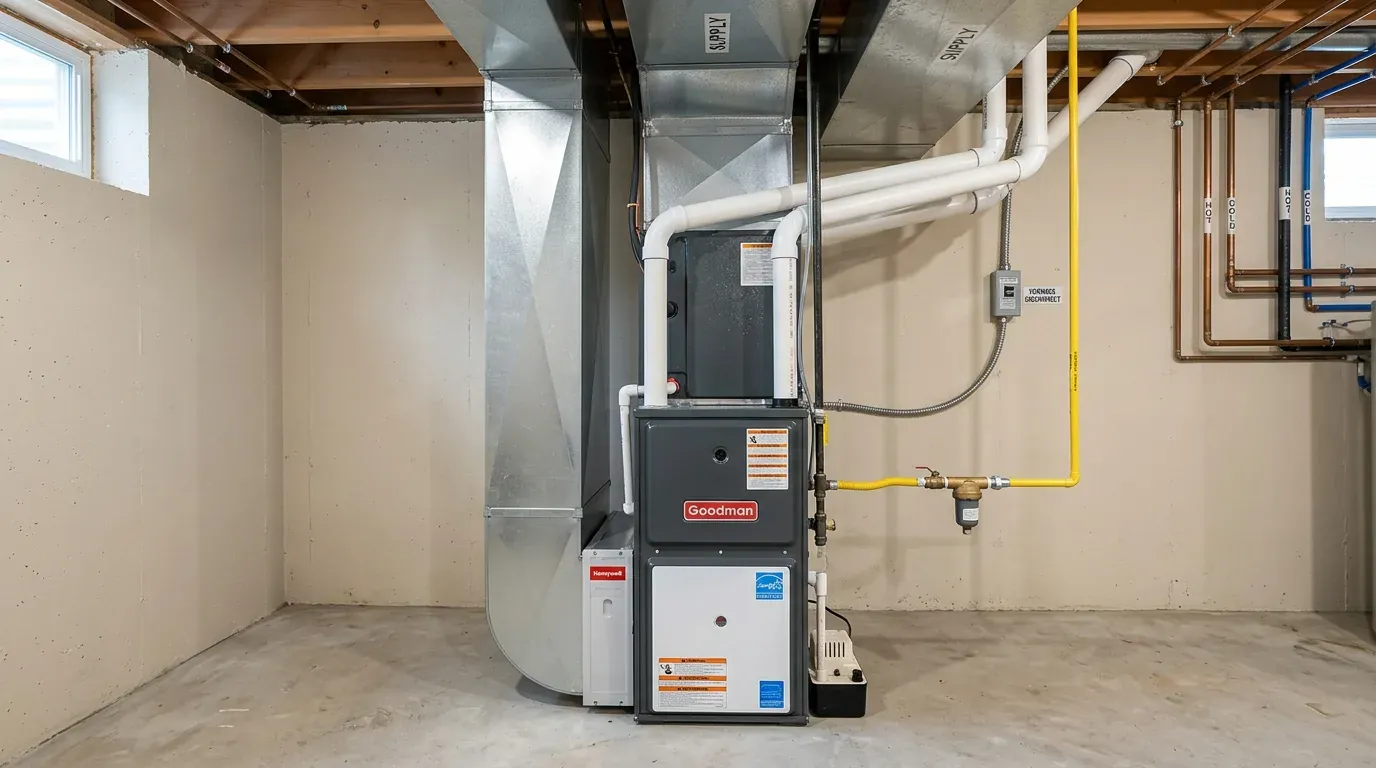
Checks CO levels and combustion readings while the burner runs, confirming the ignition repair is safe and not just lit.
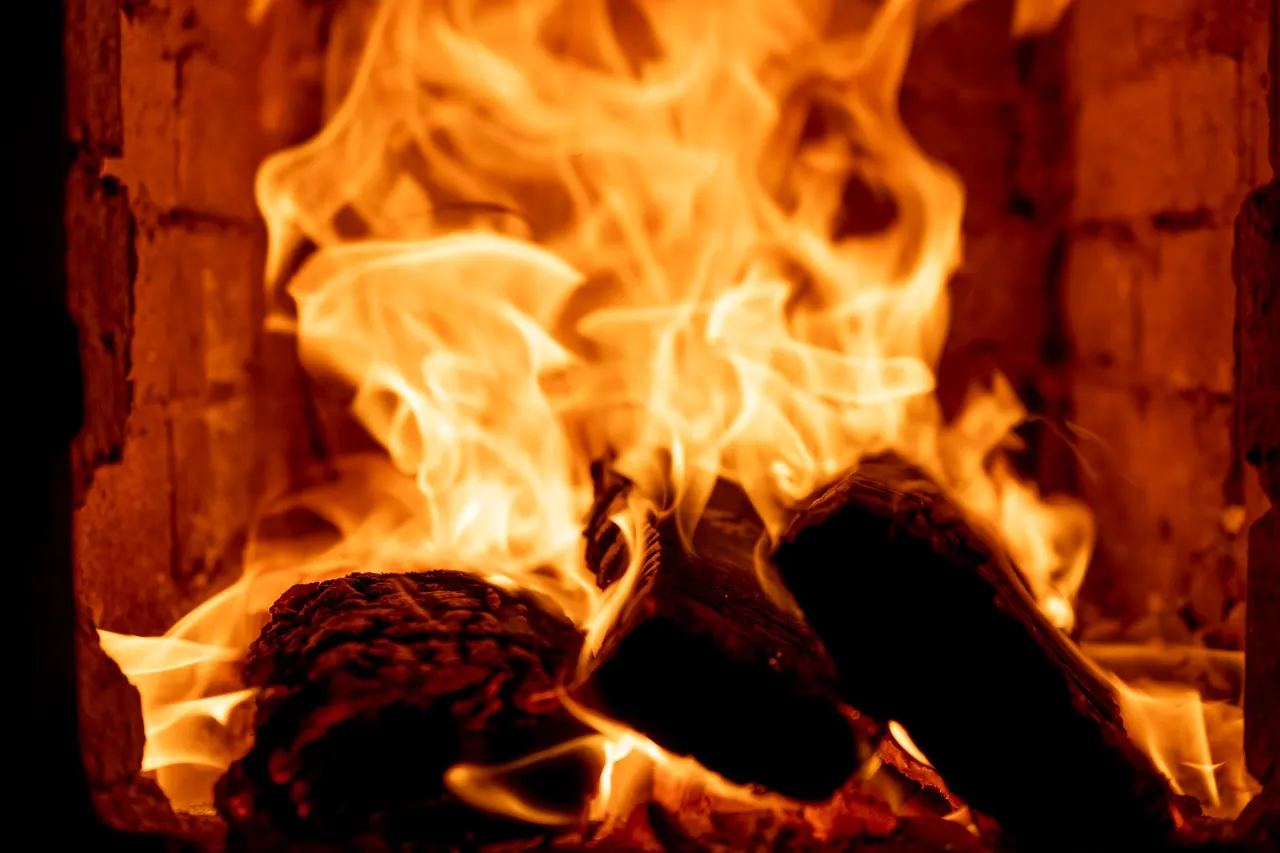
Handheld carbon monoxide testing in the burner compartment and living space whenever we open a furnace for ignition work.
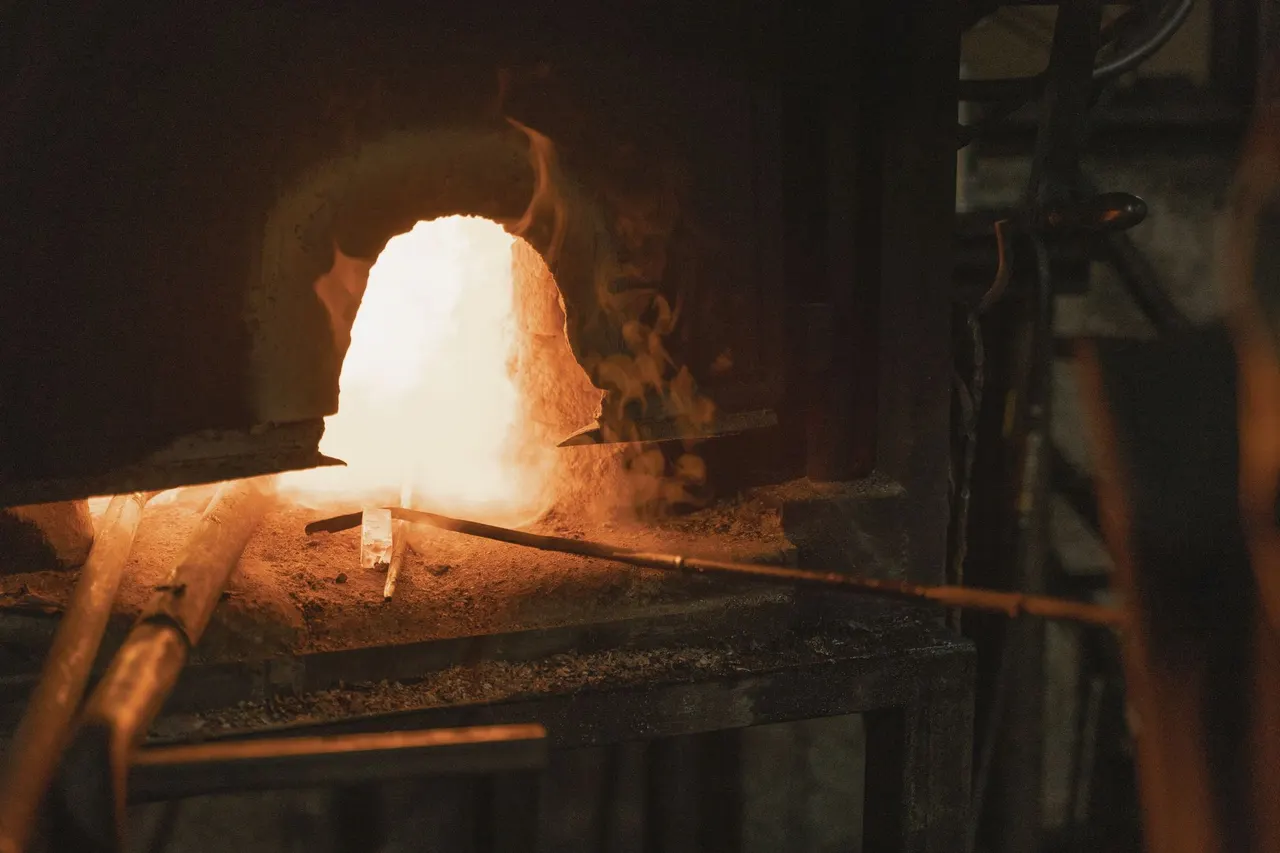
Verifies gas pressure at the valve so a new igniter or thermocouple is not fighting a pressure problem.
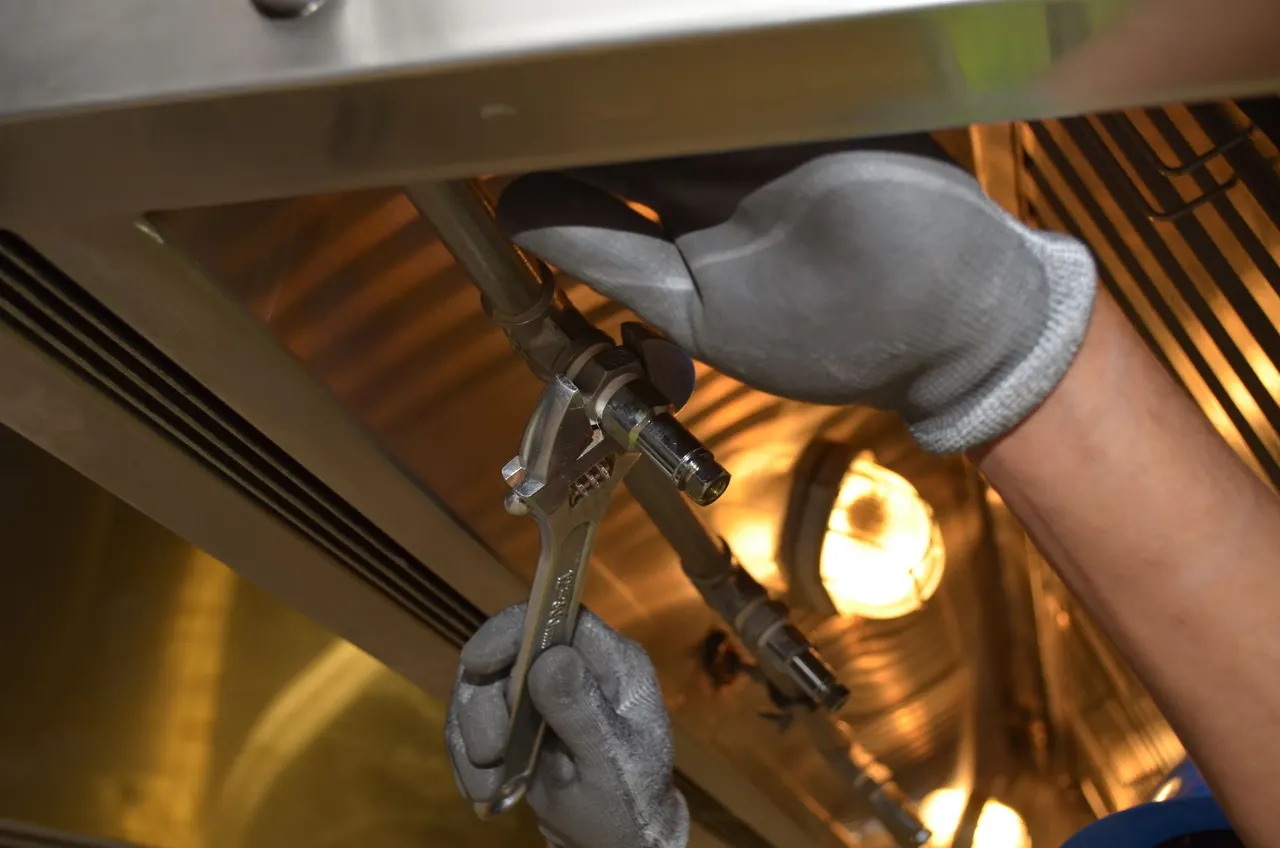
Looks into the heat exchanger and burner compartment for cracks or blockages we cannot see from the front.
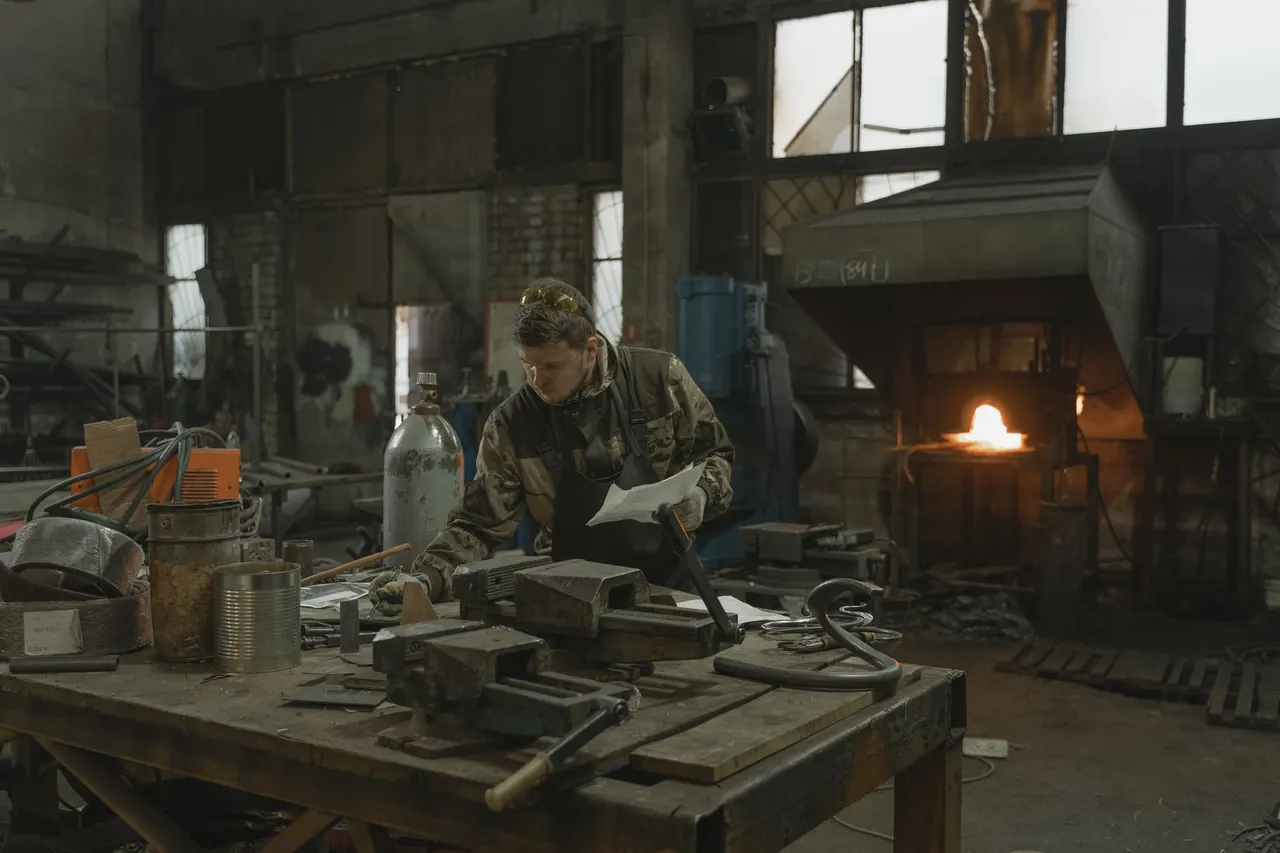
Standard hand tools for pulling burner assemblies, gas valve fittings and pilot brackets without stripping hardware.
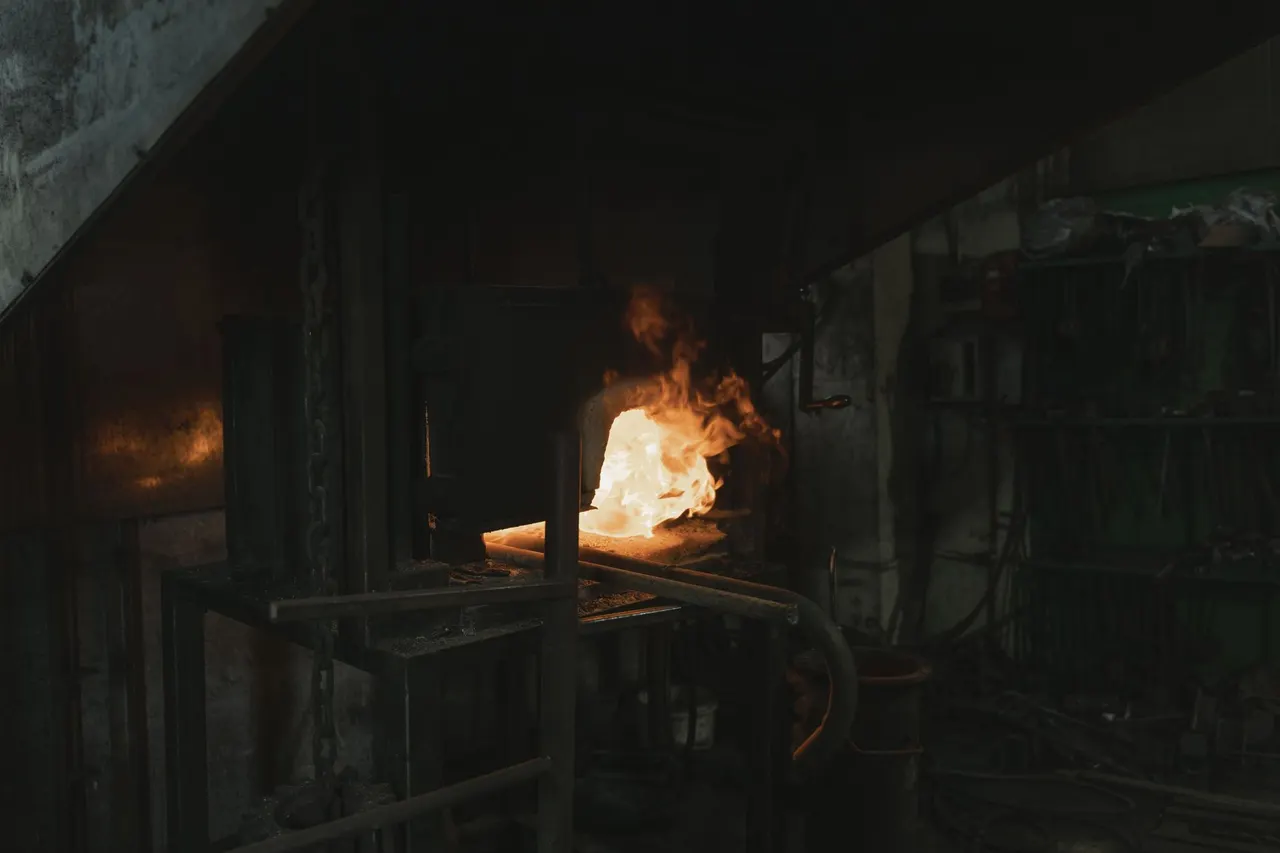
We follow the furnace's own ignition sequence in order: call for heat, inducer, pressure switch, gas valve, igniter, flame sensor. Testing in sequence finds the failed link in 20 to 40 minutes instead of swapping parts.
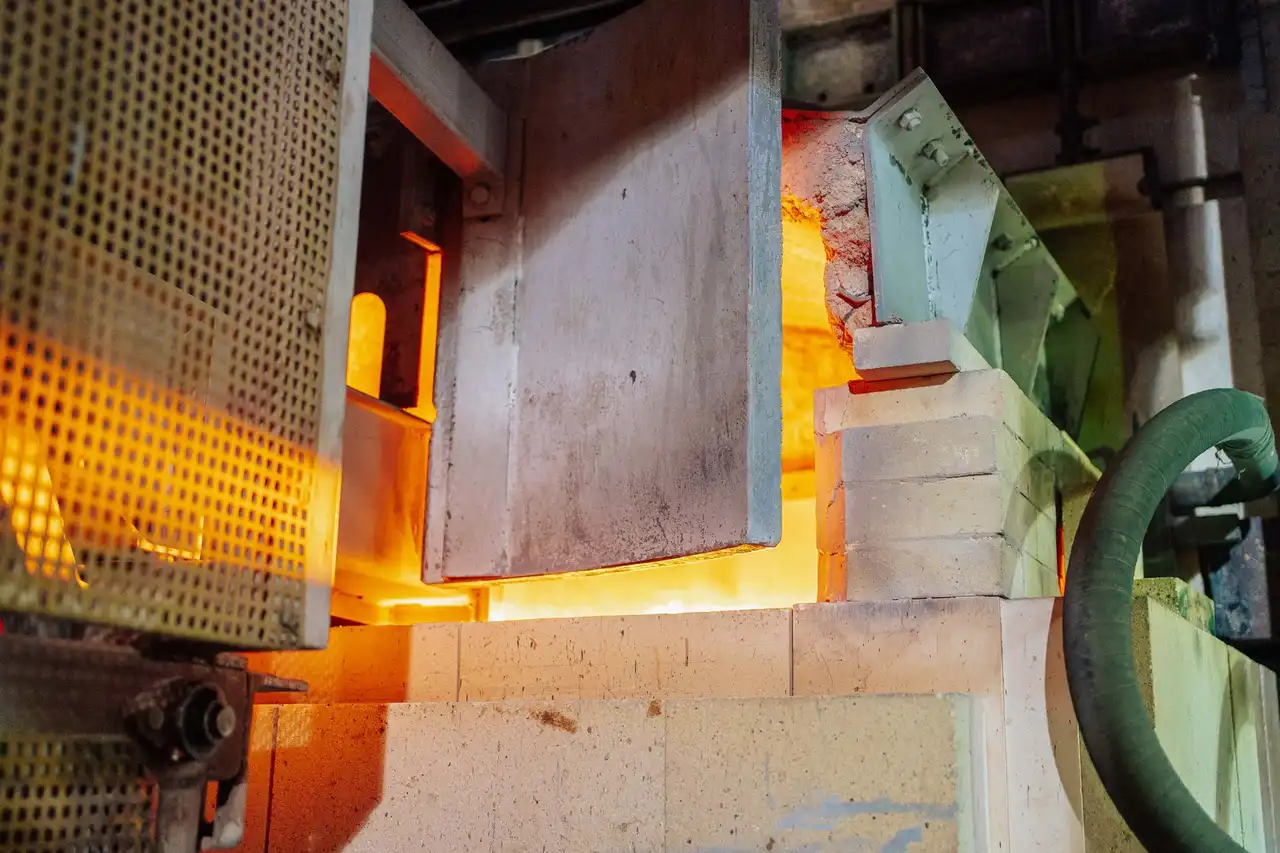
After any ignition repair we run the furnace through three full cycles and confirm a steady flame each time. A furnace that lights once and fails on the second try is not fixed, and we do not call it fixed.
We run same-day ignition diagnostics, test the igniter and flame sensor, and replace the failed part from the truck stock we carry for Carrier, Trane, Lennox and Rheem equipment. Heat back the same evening, usually within two to four hours of the call.
We test the thermocouple in millivolts, clean the pilot orifice and check for drafts from the basement. If the thermocouple is weak, we replace it and confirm the pilot holds. A pilot that stays lit through the night instead of a 3 a.m. relight.
We book an emergency window, diagnose the ignition fault, quote the repair upfront and finish it the same visit so the tenant has heat and you stop fielding calls. Tenant heat restored, one invoice, no repeat visits for the same fault.
Short cycling often traces to a dirty flame sensor or a clogged air filter. We clean the sensor, check the filter and confirm the flame signal holds through a full cycle. Steady run times and a furnace that holds temperature instead of cycling.
Skokie winters push furnaces hard from November through March, and the housing stock shows it. A lot of the village is older bungalows and two-flats with standing pilot furnaces in unfinished basements, where a thermocouple that has cycled for 15 years finally gives out on the first cold night. Newer builds around Old Orchard and the Skokie Valley tend to have electronic ignition with hot-surface igniters, which crack rather than wear out. Both fail the same way: no heat, clicking, cold air. When you call for pilot light repair skokie IL same day, we bring parts for both systems. Cook County code requires a working CO alarm and safe gas connections, so we test combustion and check the heat exchanger on every ignition call. If you need emergency furnace pilot repair skokie Illinois at night, we run emergency windows through the heating season.
A homeowner in Downtown Skokie was relighting the pilot every night with a long lighter. The thermocouple was producing under 10 millivolts, well below spec, so the pilot dropped out as soon as the knob released.
We replaced the thermocouple, cleaned the pilot orifice and confirmed a steady pilot that held through three full heating cycles. The homeowner stopped relighting and the furnace ran normally the rest of the season.
Have the pilot assembly cleaned and the thermocouple tested each fall before the heating season. A $180-$320 part beats a cold night.
A family in Devonshire called at 9 p.m. with a furnace clicking but no flame. The hot-surface igniter had cracked, so the gas valve opened with nothing to light it and the furnace locked out.
We had the matching igniter on the truck, replaced it in about 90 minutes, cleaned the flame sensor and verified CO levels. Heat was back the same night with the house still above 62 degrees.
Keep the air filter clean and book a fall tune-up. Restricted airflow shortens igniter life and causes repeat lockouts.
A rental near Old Orchard lit, ran four minutes, then shut down and restarted. The flame sensor was coated and reading low microamps, so the control board thought the burner had gone out.
We cleaned the flame sensor, replaced a loaded air filter and confirmed the flame signal held through a full cycle. Run times went back to normal and the tenant stopped calling.
Change the filter every one to three months and have the flame sensor cleaned annually. It is the cheapest way to avoid repeat ignition faults.
Most no-heat calls trace back to one of a handful of ignition faults. Here are the ones we see most in Skokie, what happens if you leave them, and how we fix them.
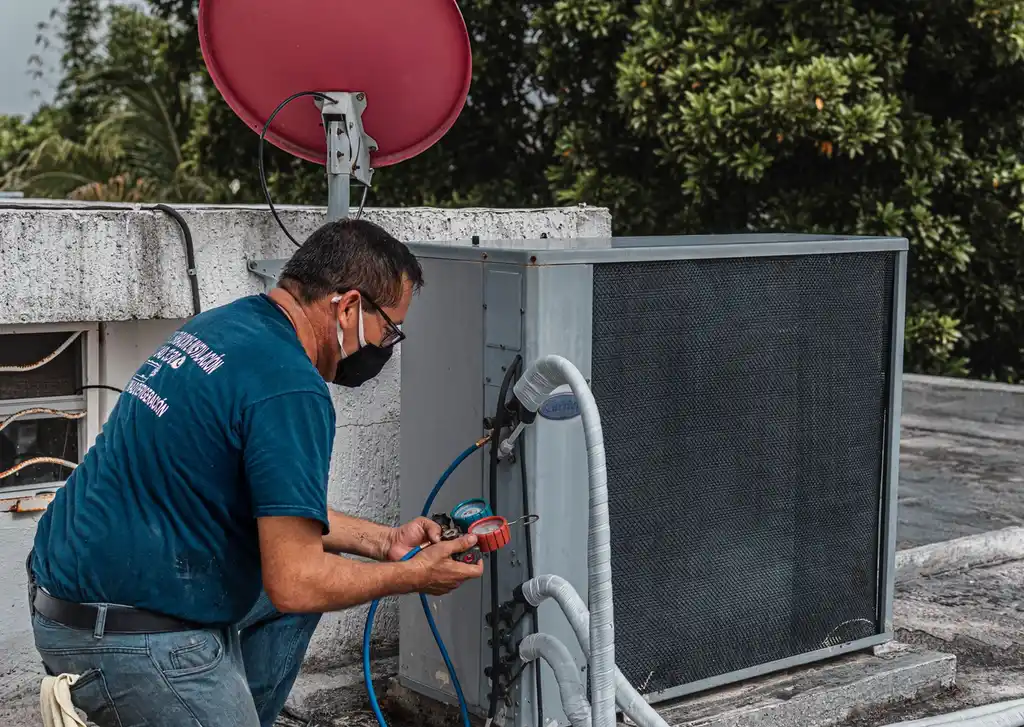
We test the thermocouple output, clean the pilot orifice and check for drafts pulling the flame off the sensor. A new thermocouple or a cleaned assembly usually restores a pilot that holds on its own. The furnace never reaches temperature, the house cools through the night, and repeated relighting wears out the gas valve knob and pilot assembly.
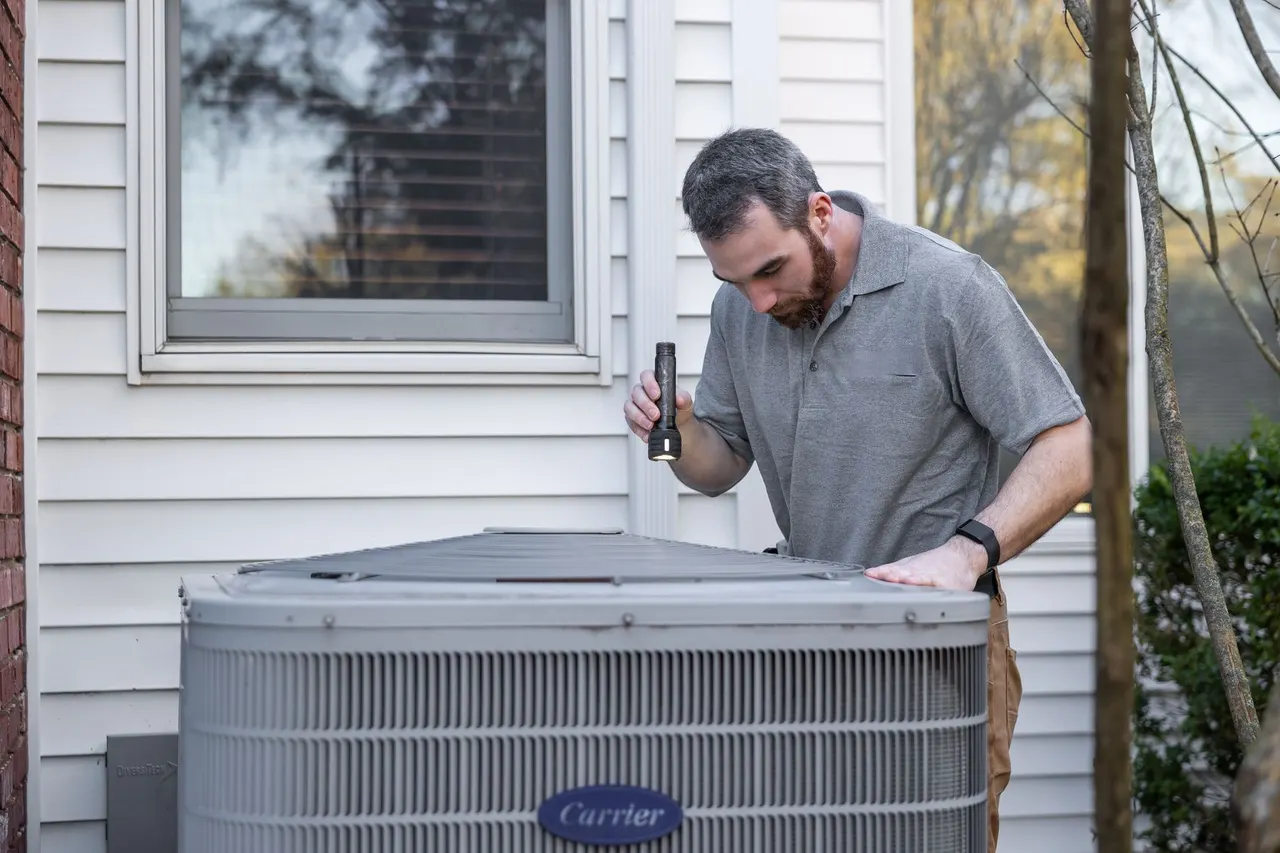
We test the igniter and flame sensor with a multimeter, replace the cracked igniter or clean the sensor, then verify the flame signal holds through three full cycles before we leave. The igniter is trying and failing, so the furnace locks out and blows cold air. In cold snaps this is how pipes freeze in a Skokie basement.
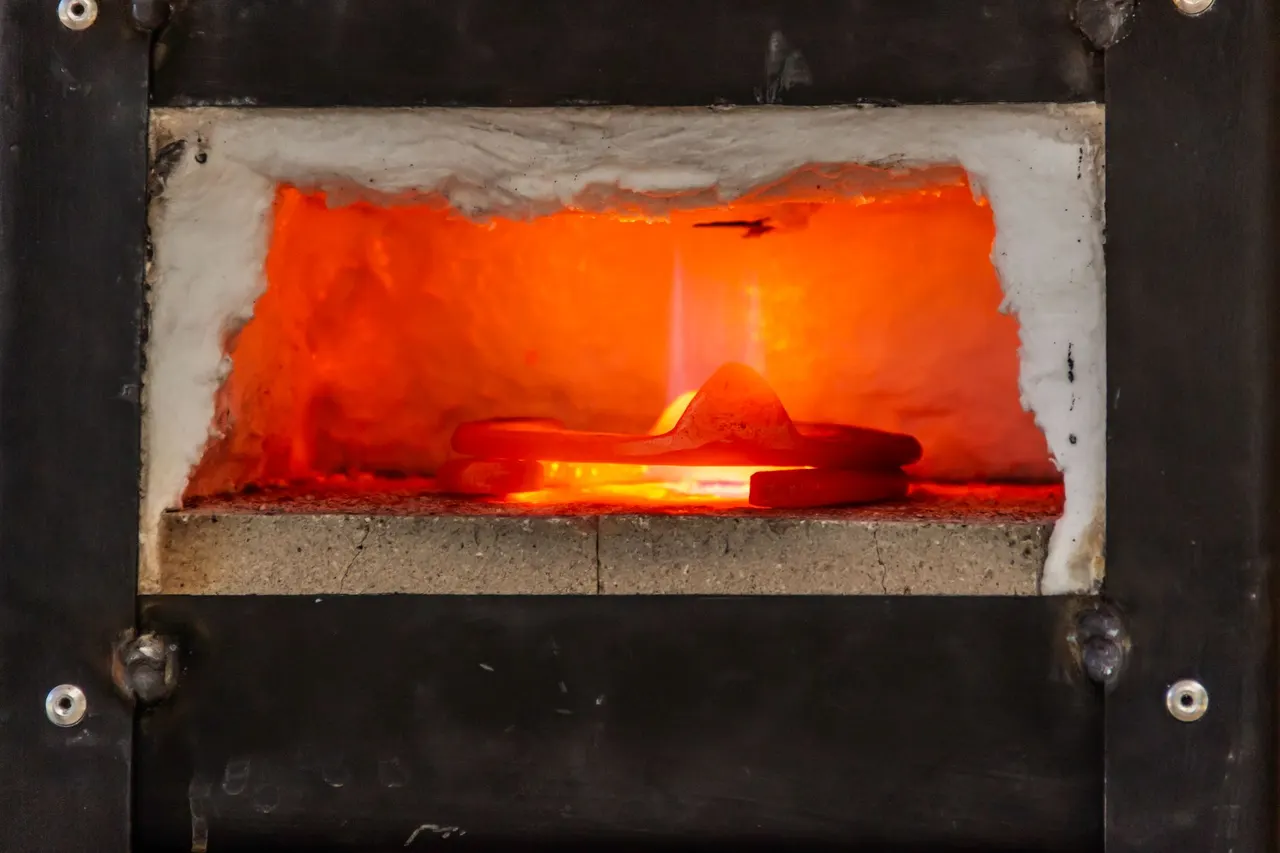
We check the flame sensor reading and confirm the gas valve opens on command. Cleaning the sensor or replacing the valve restores heat, and we test CO levels while the burner is running. The blower runs but the burners never light, so you pay for electricity and get nothing. It often points to a dirty flame sensor or a gas valve that is not opening.
We clean the burners and orifices, check the igniter position and confirm the gas valve timing. Fixing the ignition delay quiets the bang and takes the stress off the heat exchanger. Delayed ignition lets gas build before the burner lights, which is loud and hard on the heat exchanger over time.
We stock thermocouples, hot-surface igniters and flame sensors for the brands we see most in Skokie, so most ignition repairs finish in one visit. Typical jobs run two to four hours from arrival to a verified, steady flame.
A thermocouple or flame sensor replacement is one of the least expensive furnace repairs you can make. Fixing the ignition circuit now keeps a $200-$450 repair from turning into a $4,000 furnace replacement later.
Any time we open a burner compartment we check the heat exchanger, gas valve and CO levels with a combustion analyzer. Ignition faults and carbon monoxide leaks often show up in the same inspection, so we catch both before winter.
We clean the flame sensor, gap the igniter and test the gas valve instead of just swapping the part that failed. That extra 15 minutes is why our ignition repairs hold through the season instead of failing again in January.
Clear records you can keep and share.
Which part failed and the meter reading
You see what came out of the furnace
So you can keep airflow right
A standing pilot and an electronic igniter fail in different ways, and the repair is different too. Knowing which system you have tells you what to expect.
A small flame burns all the time and a thermocouple proves it to the gas valve. When the thermocouple weakens, the pilot lights but will not hold.
No standing flame. A hot-surface igniter or spark lights the burner on each call for heat, and a cracked igniter means clicking with no flame.
Both systems use a sensor to confirm the burner lit. A dirty sensor reads low and shuts the furnace down even though the flame looks fine.
Outside these areas? Call and ask, we may still reach you. 847 238 8439
Most pilot light repair cost skokie IL runs $180-$450 depending on the failed part. A thermocouple replacement is usually the low end, a hot-surface igniter or gas valve sits at the high end, and the diagnostic is included when we do the repair. You get the price before we start.
A pilot that lights and then drops out is almost always a weak thermocouple, a dirty pilot orifice or a draft pulling the flame off the sensor. We test the thermocouple output with a meter, clean the assembly and check the flame sensor reading. Most of these fix the same visit.
Turn the gas valve to pilot, hold the knob down and light the orifice, then hold 30 to 60 seconds before releasing. If it will not hold, stop and call 847 238 8439. Repeated relighting on a failing thermocouple is how people end up with a cold house at midnight.
You can change a filter and relight a standing pilot, but igniter, flame sensor and gas valve work belongs with a technician. Those parts sit behind the gas train, and a wrong gap or a cross-threaded gas fitting is a real safety problem. We test and verify the fix with a combustion analyzer.
No heat, no flame, pilot won't hold? Call 847 238 8439 and we will get a technician to your door, diagnose the ignition circuit and quote the repair before we start. Same-day windows across Skokie and Cook County.
Reach us at 847 238 8439 for furnace repair, maintenance or a safety inspection anywhere in Skokie. We answer calls during business hours and run emergency no-heat service around the clock. Tell us what the furnace is doing and your neighborhood, and we will set a window that works.